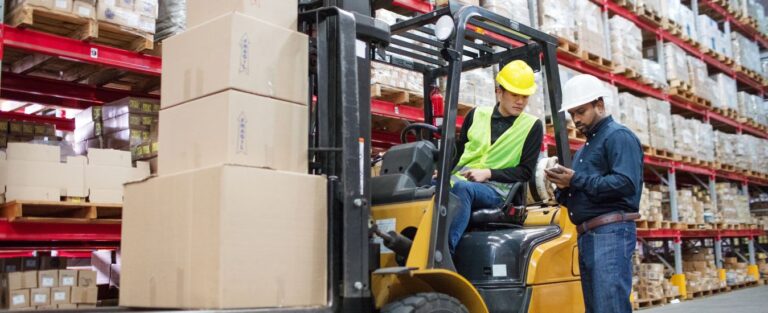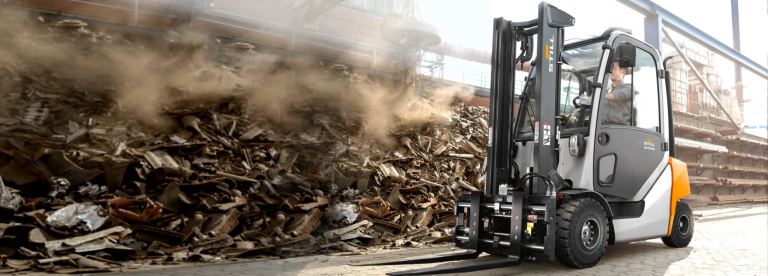
Seaports are a really important part of logistics and seagoing vessels. Without them, operations from across the globe wouldn’t run as smoothly, if smooth at all, here in the UK. As with any business, there are multiple ongoing operations, which keep a seaport busy and running efficiently. That’s where material handling equipment comes in and proves to be VERY helpful! Forklifts/ industrial trucks are one of the most popular types of material handling equipment. They make loading and unloading large and small pallets seem like a breeze. Today we will be exploring the importance of forklifts on seaports, challenges they can address and fix, and how the right equipment can absolutely change the game for workers.
The Role Of A Forklift On Seaports
Seaports take in massive volumes of good daily, which require some very reliable machinery and equipment to load, unload and transport the cargo to and from places. Forklifts are pretty much irreplaceable for tasks such as:
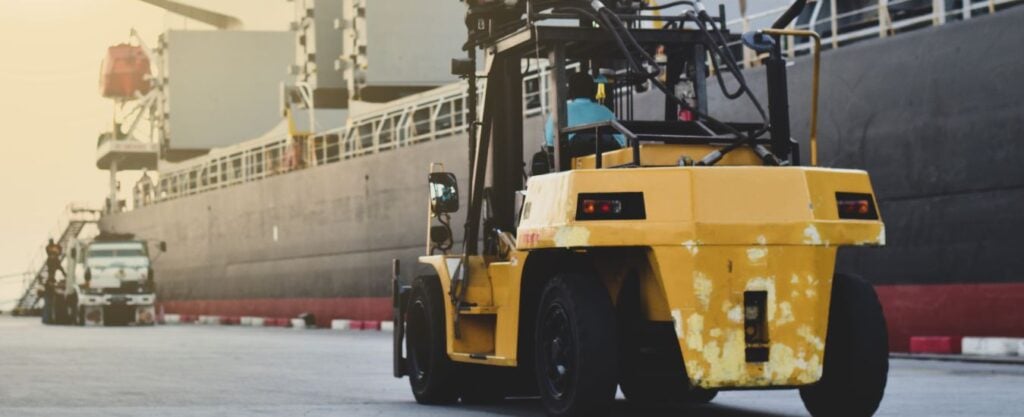
- Unloading containers
- Yard management
- Onboarding operations
Challenges Forklifts Solve
Often on Seaports, some pretty unique challenges will present themselves. But it’s great that forklifts are designed to tackle even the hardest of all tasks. Some of these tasks include:
- Heavy lifting – ports will be dealing with oversized or heavy cargo
- Ability to move – even in tight spaces, and high volumes of traffic, the right forklift can tackle obstacles
- Safety concerns – ensuring that a worker is safe while they’re on a seaport dealing with goods and logistics is a priority
- Sustainability – a port aims to reduce emissions, and the number of electric forklifts now available on the market is an essential for go-green operations
Keeping Your Forklift Efficient
In order to get your worth out of a forklift you are using on one of the many seaports in the UK, you should ensure you keep them running safely. To do this, there are a few small jobs you can regularly keep up to date with. These include:
- Regular maintenance – forklifts should be inspected and serviced regularly to reduce the likelihood of having a big breakdown-shock!
- Operator training – anyone who is expected to be using the trucks, or around the trucks should be trained for use of that truck, this ensures safety and efficient forklift usage
- Load management – always make sure you stick to the forklifts weight capacity which you will find on the load plate
Forklifts Made For Seaports
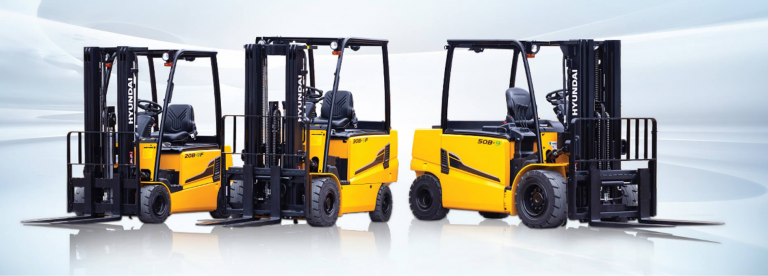
At Acclaim Handling, we really get the unique demands you incur working on seaports. Our range of forklifts goes from diesel to electric, light-load to heavy-duty. They are made to boost productivity while also meeting safety and environmental standards, in line with company values. Acclaim has got you covered for whatever you are looking for! Forklifts really, are more than just machines, they are an essential part of the workforce, and I think we can all admit, operations wouldn’t run as well without them. If you’re currently working on a Seaport, or any kind of port for that matter, or you just are looking to upgrade your fleet, get in touch with us today!
- Call us on 01708 861414
- Or use our contact form on our website, which you can find by clicking here