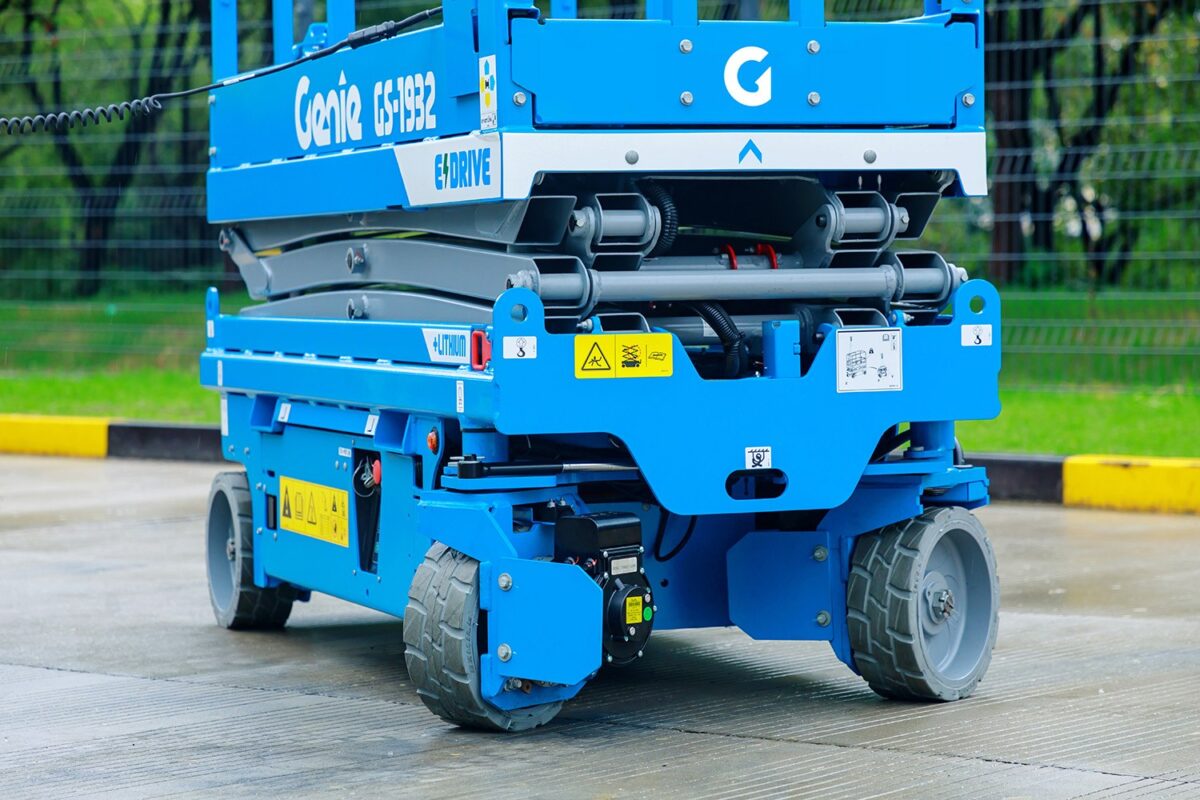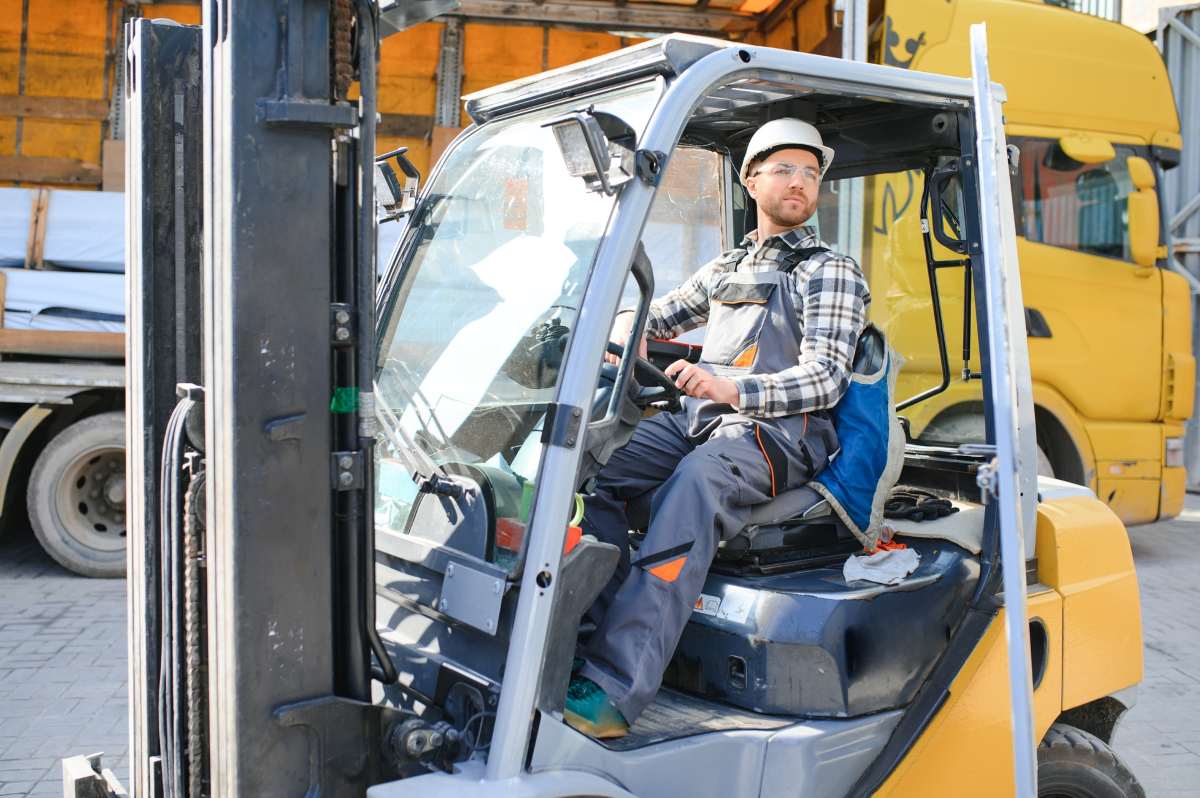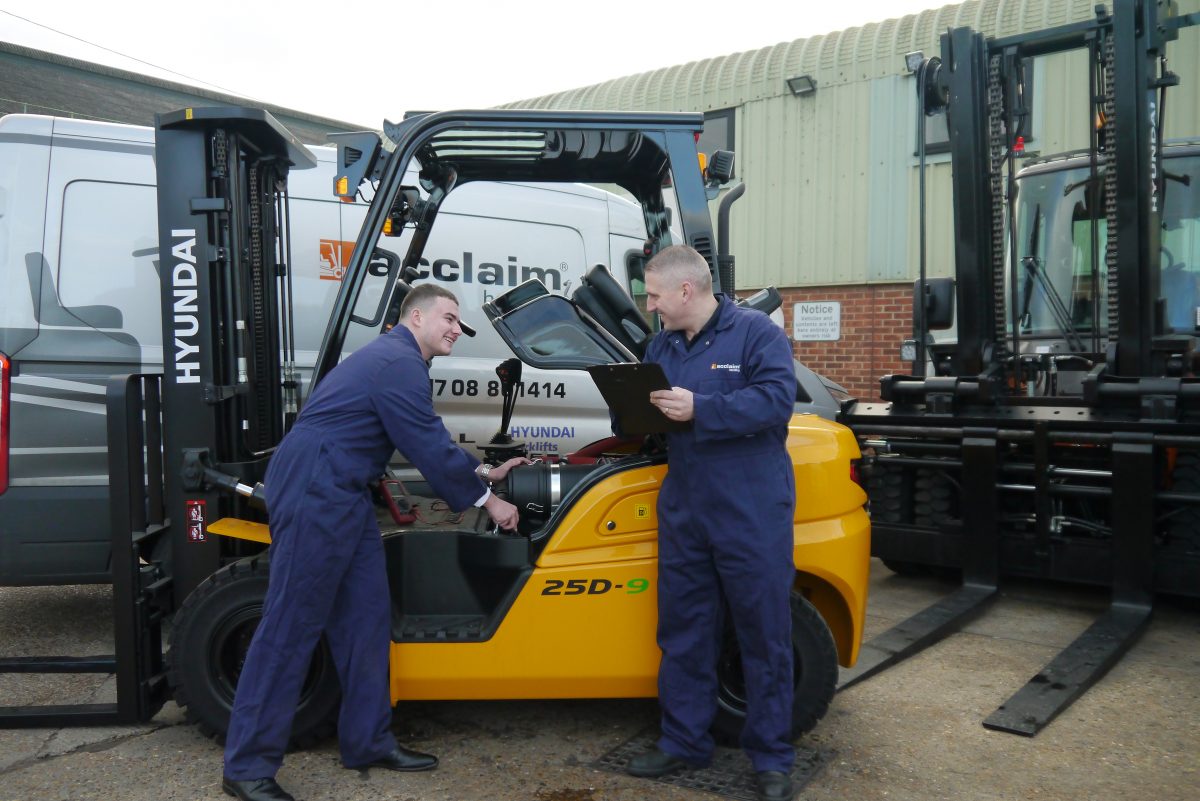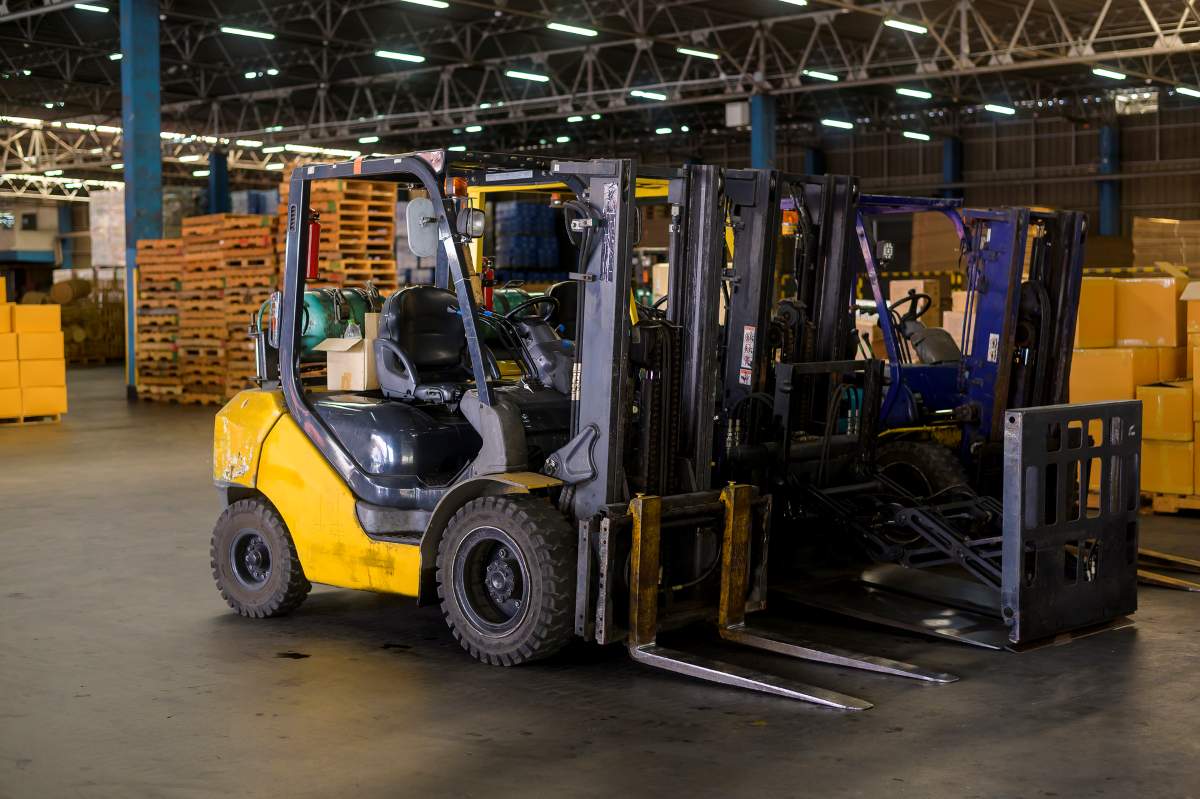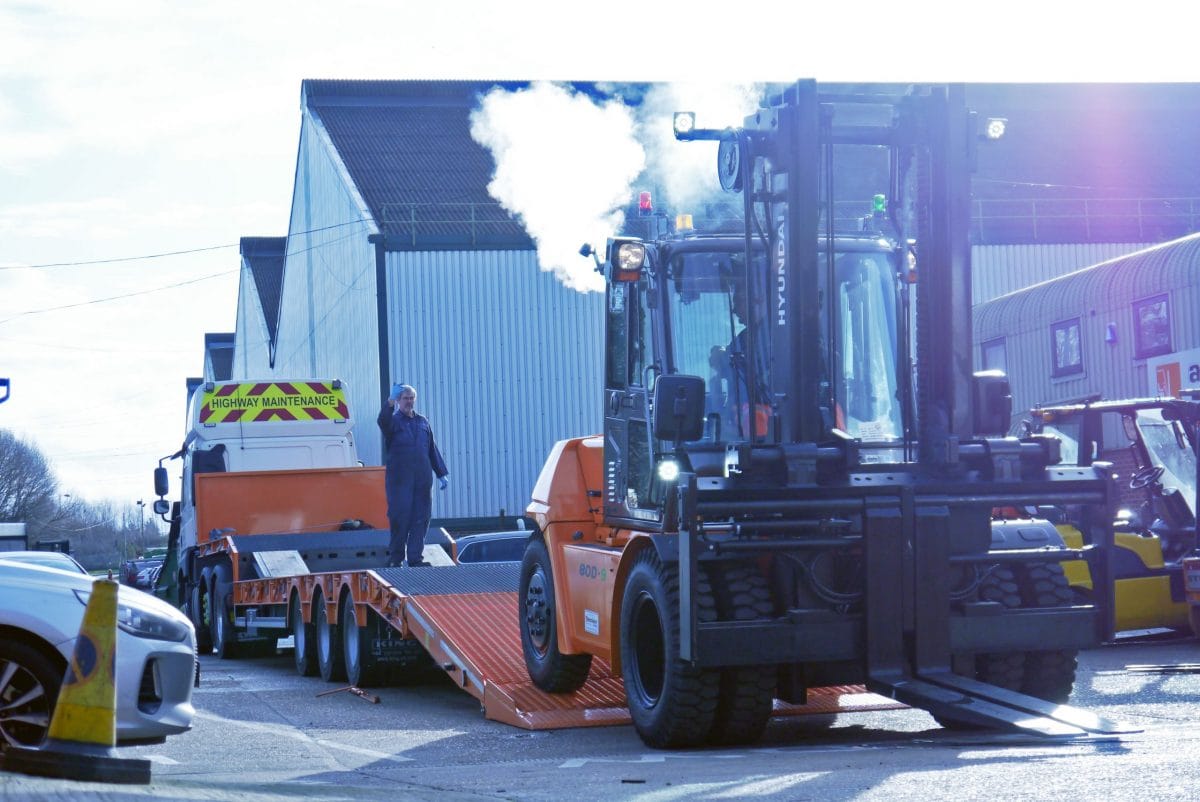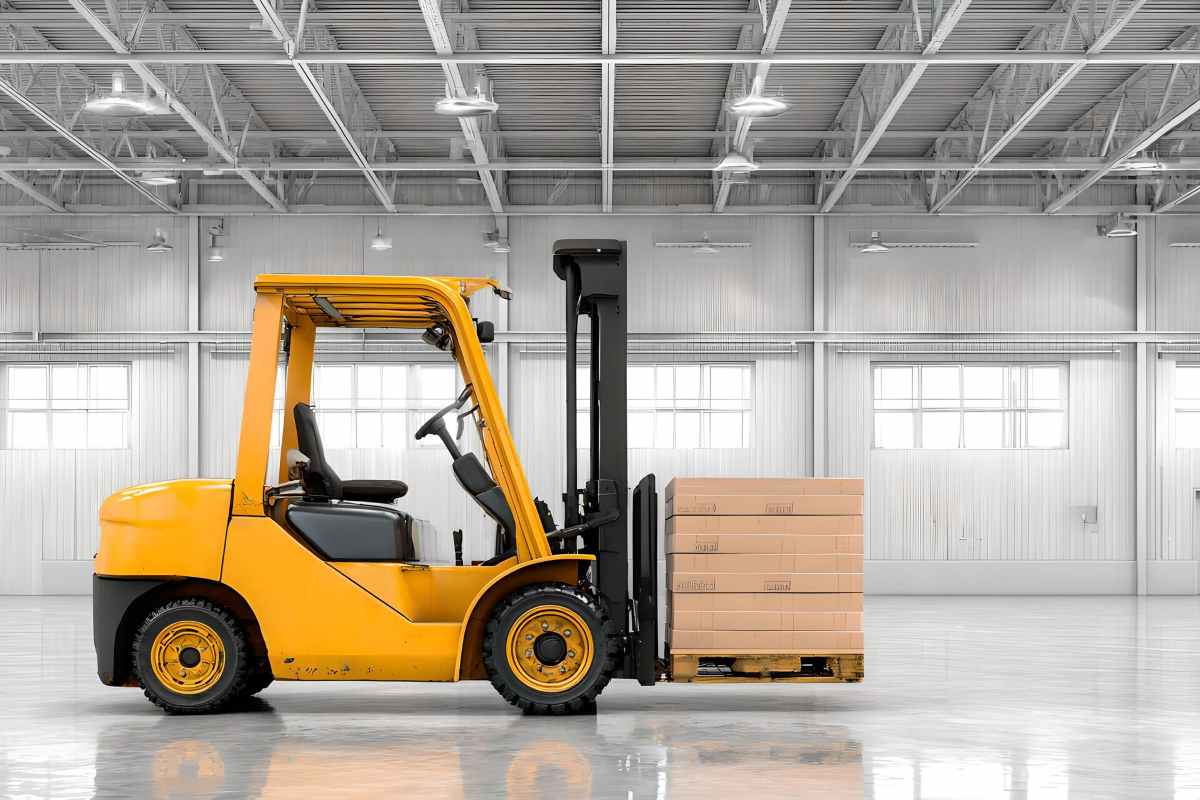
We carry out LOLER inspections, called thorough examinations in the regulations, on forklifts, warehouse equipment, access equipment and MEWPs, and lifting accessories. That includes machines we did not supply. We are CFTS accredited, so a single examination covers both LOLER and PUWER and produces one report. Warehouse equipment examinations start at £135 ex VAT and forklift examinations at £146 ex VAT.
A thorough examination is the statutory inspection that LOLER requires. It is not a service, and a service does not satisfy it. This page explains what the examination is, how often you need one, what the engineer checks and what the report means.
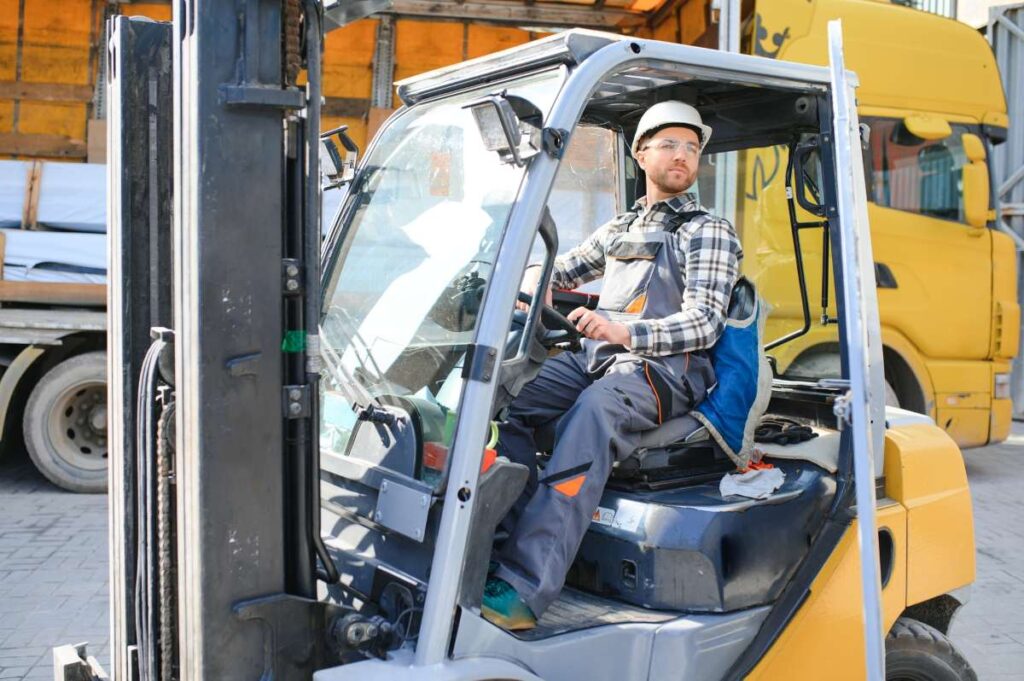
What a thorough examination actually is
It is a systematic and detailed examination by a competent person, carried out at intervals set by law, resulting in a written report. Think of it as the machine’s MOT: an independent check that it is safe to keep using, rather than work carried out to keep it running.
Two things follow from that, and both matter:
- It is a legal requirement, not a recommendation. The report is the document you must be able to produce.
- It is separate from maintenance. A machine can be freshly serviced and still fail, and a machine can pass and still need a service.
A service keeps the machine working. A thorough examination establishes that it is safe. You need both.
The two are compared in full on thorough examination vs service.
How often you need one
| Machine | Minimum interval | Why |
|---|---|---|
| Standard counterbalance or reach truck | 12 months | Other lifting equipment |
| Forklift fitted with a working platform | 6 months | It lifts people |
| MEWP, scissor lift, cherry picker, mast lift | 6 months | It lifts people. See MEWP inspection. |
| Slings, chains, shackles and other accessories | 6 months | Lifting accessory |
| Anything under an examination scheme | As the scheme says | An alternative to the fixed intervals |
An examination is also required each time exceptional circumstances occur: damage, a long period out of use, or a major modification, regardless of when the last one was.
Attachments are worth a specific mention. If you fit a clamp, a rotator or a jib, you have changed what the machine lifts and how, and the attachment is itself lifting equipment. If you have fitted one since the last examination, the truck needs a rating plate that matches it as equipped: see forklift attachments.
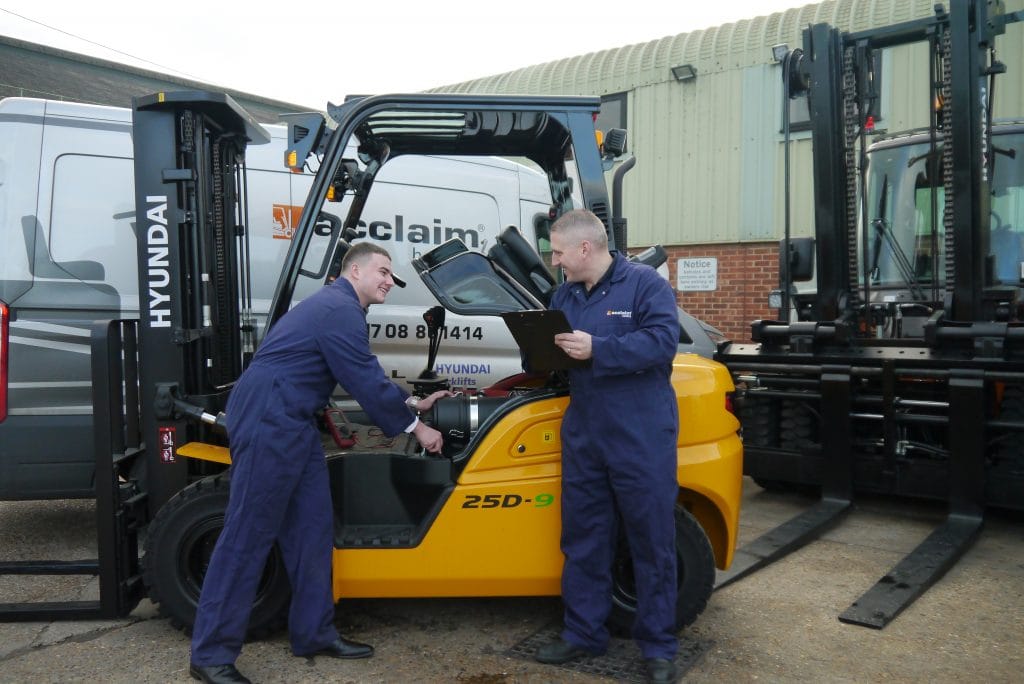
What the engineer checks
On our examinations, items 1 to 10 are the LOLER scope and a full Thorough Examination covers items 1 to 19, adding the PUWER scope. In practice that means:
The lifting side (LOLER): forks for wear, cracks and heel thickness; the carriage and fork locking; lift chains for stretch, seizure and corrosion; the mast channels, rollers and stops; hydraulic rams, hoses and pipework for leaks and damage; the overhead guard and load backrest; and the safe working load plate.
The vehicle side (PUWER): service and parking brakes; steering; tyres and wheels; lights, horn and warning devices; seat and seat belt; and guarding.
If you are being offered a LOLER-only examination, that is items 1 to 10. It is legitimate, but it leaves the brakes and steering to be covered separately. Our what is the difference page sets out why that matters.
Due an examination, or not sure when yours was? We will check the machine and the paperwork.
What it costs
Warehouse equipment thorough examinations start at £135 and forklift thorough examinations at £146, ex VAT. What moves the figure is the machine type, how many are on site at once, and whether the examination is combined with a service visit.
Examining a fleet in one visit is materially cheaper per machine than examining them one at a time, which is the main reason it is worth having the dates tracked centrally rather than each machine chased individually. See fleet management.
If a machine needs attention urgently, we have a callout line and an engineer can attend. That carries a callout charge plus travel.
The report, and what to do with it
The examination produces a report of thorough examination. It records what was examined, any defect found, and when the next examination is due. The competent person must notify you of any defect that is or could become a danger.
Keep it. For a routine 6 or 12 monthly examination, until the next report or for two years, whichever is later. It is also the document you must send with a machine you hire out, and the one you must be given before using a machine you hire in.
Not every defect stops the truck. Where the report specifies a time by which a defect that could become a danger must be put right, the machine may be used until then. Where the defect is a present danger, the machine stops immediately.
When a defect is found
Finding something is a normal outcome, not a failure of the process. What matters is what happens next, and this is where having the examination and the repair in the same hands saves time.
- Parts. We hold over £1 million of forklift parts in UK stock, so common defects can be fixed rather than parked.
- Repairs. Our engineers carry out the repair and, where the fix touches the lifting function, re-examine before the machine returns to work.
- Cover. If a machine has to come off the job, short term hire can put a stand-in truck on site.
Booking, and keeping on top of it
We are CFTS accredited and examine any machine, whoever supplied it, from eight depots with our own engineers: forklifts, warehouse equipment, access equipment and MEWPs, and lifting accessories.
Between examinations, the daily pre-use check is what catches problems between visits, and it is a PUWER expectation rather than an optional extra. If you are not sure where your fleet stands overall, am I compliant is a practical self-check.
Due an examination, or not sure when yours was? We will check the machine and the paperwork.
Thorough examinations: common questions
Eight depots across the UK
Our own engineers, out of our own depots - wherever you are, service comes from us.
Talk to us about LOLER Inspection & Forklift Thorough Examination
Monday to Friday, 8:00am to 5:00pm.
Additional Services
Checkout our range of other machine services below