On this page
- Start With Your Operation, Not the Forklift
- Choose the Right Power Source
- Electric forklifts
- Diesel and LPG forklifts
- Don’t Judge a Used Forklift by Its Appearance
- Pay particular attention to the forks and mast
- Get Behind the Wheel – Safely
- Check the Rating Plate – Don’t Guess Capacity
- Forklift Hours Tell Only Part of the Story
- Ask to See the Service History
- Don’t Forget the Paperwork
- Understand What You’re Actually Getting for Your Money
- Consider What Happens After You Buy It
- Who is going to support the forklift once it arrives at your site?
- Know the Warning Signs
- Why Work with Acclaim Handling?
- The Acclaim Handling Used Forklift Checklist
- Looking for a Used Forklift?
- Used Forklift Buying Guide: Summary
- The Bottom Line
Buying a second-hand forklift can be a smart way to add lifting capacity to your business without committing to the price of a brand-new machine.
But there is an important difference between buying a cheap forklift and buying a good-value forklift.
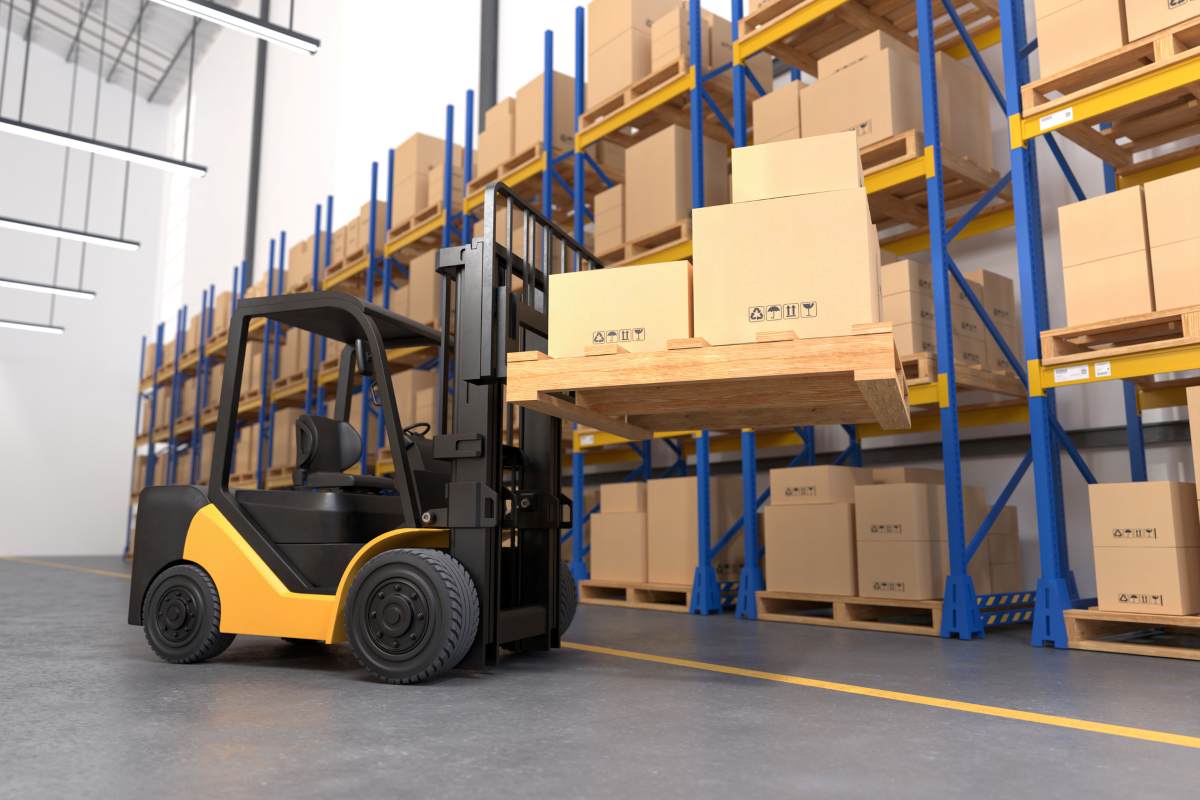
A used truck needs to do much more than look presentable in a photograph. It needs to have the right specification for your operation, perform safely under working conditions, have a history you can understand and come with the support needed to keep it productive.
At Acclaim Handling, we understand that choosing a used forklift is about finding equipment that works for your business – not simply finding the lowest advertised price.
This guide explains what to consider before purchasing a used forklift and the questions worth asking along the way.
Start With Your Operation, Not the Forklift
One of the easiest mistakes to make when buying used equipment is starting with the machines currently available rather than establishing what your business actually requires.
Before looking at individual forklifts, consider how the truck will be used every day.
Ask yourself:
- What is the heaviest load the forklift will handle?
- What are the dimensions of the loads?
- How high do loads need to be lifted?
- How wide are your aisles?
- Will the forklift operate indoors, outdoors or in both environments?
- How many hours will it typically work each day?
- What type of surface will it operate on?
- Will attachments be required?
- Is the forklift replacing an existing machine or increasing your fleet capacity?
These details can have a major impact on the type and specification of forklift you need.
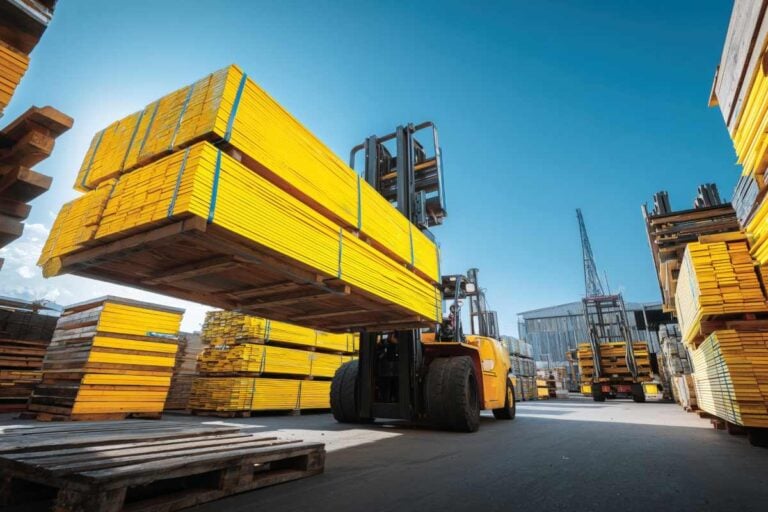
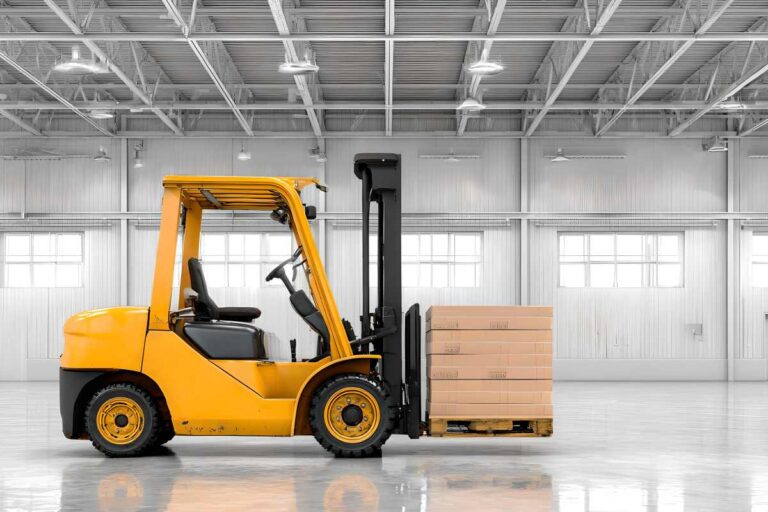
For example, a compact electric forklift may be an excellent choice for an indoor warehouse, while a business moving heavy materials around an outdoor yard may require a very different machine.
The important thing is to match the truck to the job, rather than trying to make the job fit the truck.
Choose the Right Power Source
The forklift’s power system is another important consideration.
Electric forklifts
Electric trucks can be particularly suitable for indoor environments. They operate quietly and produce no exhaust emissions during use, making them a popular choice for warehouses and other enclosed working areas.
However, when buying a used electric forklift, the condition of the battery deserves particular attention.
A forklift may appear to represent excellent value until the battery needs replacing. Ask about:
- Battery age
- Charging history
- Battery condition
- Expected operating time
- Charger compatibility
- Charging arrangements at your premises
The battery can represent a significant part of the overall value of a used electric forklift, so it should not be treated as an afterthought.
Diesel and LPG forklifts
Internal-combustion forklifts can be appropriate for demanding applications, particularly where trucks are required to work outdoors or handle heavier loads.
However, fuel consumption, ventilation, emissions, maintenance requirements and the working environment should all be considered before making a decision.
There is no universally “best” power source. The right option depends on how, where and how frequently the forklift will be used.
Don’t Judge a Used Forklift by Its Appearance
A clean forklift can still have a hard-working life behind it.
Likewise, a machine with cosmetic marks may have been mechanically well maintained.
That is why a physical inspection is so important.
Where possible, inspect the forklift in person rather than relying solely on photographs or a description.
Look carefully at the:
- Mast
- Forks
- Carriage
- Hydraulic system
- Chains
- Frame
- Counterweight
- Overhead guard
- Tyres
- Wheels
- Seat and restraint system
- Controls
- Lights and mirrors
Look for signs of impact damage, corrosion, poor repairs, excessive wear and leaks.
Pay particular attention to the forks and mast
The lifting equipment is obviously critical to the safe operation of a forklift.
Forks should be inspected for damage, excessive wear, cracking, distortion and other signs of deterioration. The mast should operate smoothly without unusual movement, noise or vibration.
Hydraulic hoses should also be checked for signs of leakage or damage.
If something looks questionable, don’t simply assume it is cosmetic. Ask the supplier to explain what you are seeing.
Get Behind the Wheel – Safely
A forklift can look perfect when stationary and still reveal problems once it is operating.
A proper demonstration should therefore form an important part of your purchasing decision.
The truck should be operated by someone who is trained and authorised to do so, with appropriate safety controls in place.
During operation, pay attention to:
- Steering response
- Braking performance
- Acceleration
- Mast movement
- Hydraulic operation
- Tilting
- Transmission
- Unusual noises
- Vibrations
- Stability
- Attachment operation
The forklift should respond predictably and smoothly.
If possible, a demonstration using a load representative of your normal operation can provide even more useful information. It can help establish whether the forklift performs as expected when working at the heights and capacities your business requires.
Never exceed the manufacturer’s rated capacity when testing a truck.
If you are not confident assessing the condition of a used forklift yourself, getting input from a competent engineer or experienced forklift professional can be money well spent.
Check the Rating Plate – Don’t Guess Capacity
The size of a forklift does not tell you how much it can safely lift.
The rating plate is one of the most important pieces of information on the truck.
Check the plate for details including the:
- Rated capacity
- Load centre
- Lift height
- Serial number
- Relevant specification
Make sure the information corresponds with the forklift you are actually considering purchasing.
Attachments can also affect lifting capacity. A side shift, fork positioner, clamp or other attachment can change the truck’s capabilities, so don’t assume the forklift retains its original maximum capacity regardless of how it is configured.
Your normal working load should always fall within the machine’s safe operating limits.
Forklift Hours Tell Only Part of the Story
It is tempting to look at the hour meter and immediately favour the forklift with the lowest number.
But hours alone do not tell you whether a used truck is a good investment.
Consider how those hours were accumulated.
A forklift that has completed more hours in a well-managed warehouse and received regular servicing could potentially be a better proposition than a lower-hour machine that has been neglected.
Ask about the forklift’s previous working environment and workload.
Was it used for:
- Occasional pallet movements?
- Multiple shifts?
- Outdoor yard work?
- High-volume distribution?
- Heavy industrial applications?
Understanding the truck’s previous life can give you much more useful information than the hour meter alone.
Ask to See the Service History
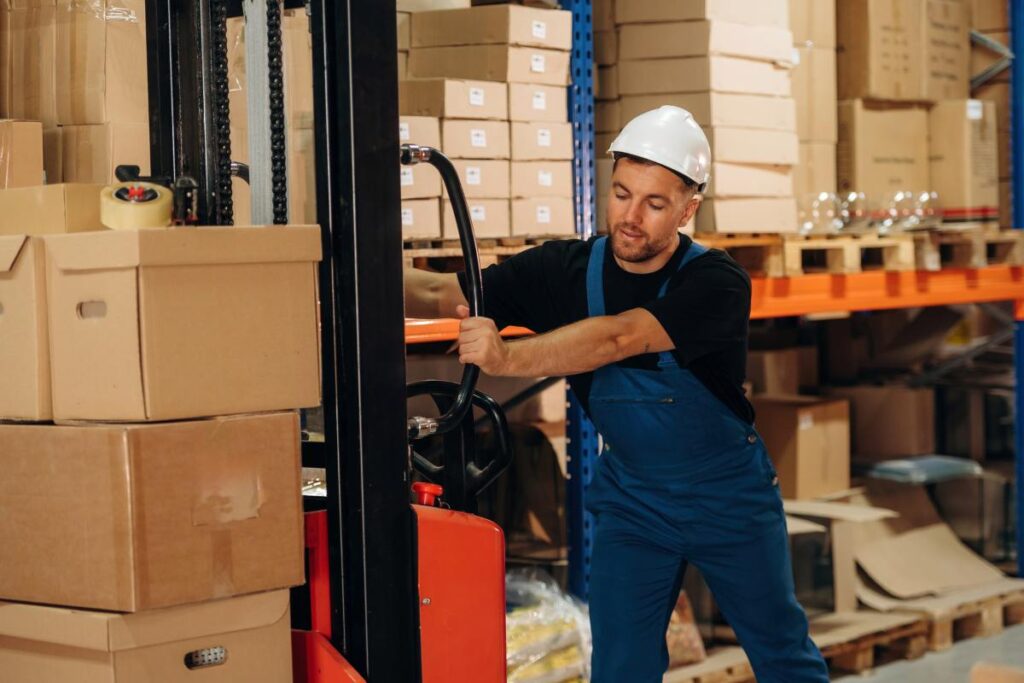
A used forklift should come with a history you can make sense of.
Ask the supplier for relevant service and maintenance information, including available records of:
- Routine servicing
- Repairs
- Component replacements
- Engineer inspections
- Battery maintenance
- Tyre replacement
- Hydraulic work
A consistent maintenance history can provide reassurance that the machine has been looked after throughout its working life.
Gaps in the records do not automatically mean a forklift is unsuitable, but they should prompt further questions.
If the history is unclear and you are considering a significant investment, an independent inspection may be worthwhile.
The cost of checking the machine properly can be small compared with the cost of an unexpected major repair or operational downtime.
Don’t Forget the Paperwork
The physical condition of the forklift is only one part of the buying decision.
The documentation needs attention too.
For UK operations, ask about the forklift’s examination and safety documentation, including the relevant Thorough Examination records.
Documentation should relate to the specific machine, with details such as the serial number matching the forklift you are purchasing.
If the machine comes with attachments, make sure these have also been appropriately considered in the relevant documentation and capacity information.
Remember that buying the forklift is not the end of your safety responsibilities. The equipment needs to be properly managed once it is working on your site, including appropriate operator training, maintenance and workplace risk assessment.
Understand What You’re Actually Getting for Your Money
The purchase price is only one part of the cost of owning a forklift.
Before deciding between two machines, consider the wider financial picture.
Potential costs can include:
- Routine servicing
- Repairs
- Tyres
- Battery replacement
- Fuel
- Charging equipment
- Parts
- Thorough Examinations
- Operator training
- Attachments
- Unexpected downtime
This is why the cheapest forklift on the market is not necessarily the most economical option.
A slightly more expensive machine with a stronger maintenance history, better condition and reliable parts and service support could ultimately offer considerably better value.
Think in terms of total cost of ownership, rather than simply the purchase price.
Consider What Happens After You Buy It
One question that is often overlooked when purchasing used equipment is:
Who is going to support the forklift once it arrives at your site?
A forklift is an important part of many warehouse, manufacturing and industrial operations. If it stops working, the consequences can extend beyond the cost of repairing the machine.
Downtime can affect productivity, deliveries, staff and customer commitments.
That makes after-sales support an important part of your purchasing decision.
Consider whether your supplier can assist with:
- Servicing
- Repairs
- Parts
- Tyres
- Batteries
- Attachments
- Inspections
- Operator training
- Fleet support
Choosing a supplier that understands materials handling can give you an additional layer of support long after the initial purchase.
Know the Warning Signs
There are certain things that should make you stop and ask more questions before buying.
Be cautious if you encounter:
- Missing or unclear documentation
- An unreadable rating plate
- Significant structural damage
- Hydraulic leaks
- Poor braking
- Unpredictable steering
- Excessively worn forks
- A weak or poorly maintained battery
- Mismatched or heavily worn tyres
- Unexplained mechanical noises
- A seller who cannot answer basic technical questions
One issue does not necessarily mean you should walk away.
However, several warning signs together could indicate that the apparent bargain may become an expensive problem.
The same applies to an unusually low asking price.
There may be a perfectly reasonable explanation – such as age, specification or cosmetic condition – but you should understand why a forklift is significantly cheaper than comparable machines before committing to the purchase.
Why Work with Acclaim Handling?
At Acclaim Handling, we believe purchasing a forklift should be about more than finding a machine at the right price.
It is about finding equipment that makes sense for your operation.
Our team can help businesses assess their requirements and explore suitable materials handling and access equipment based on factors such as:
- Application
- Capacity
- Lift height
- Fuel type
- Working environment
- Usage
- Budget
- Ongoing support requirements
Whether you need a single used forklift or are reviewing equipment across a wider fleet, taking the time to understand your requirements can help you make a more informed investment.
We can also help you look beyond the initial purchase and consider the practical requirements of keeping your equipment productive throughout its working life.
The Acclaim Handling Used Forklift Checklist
Before committing to a second-hand forklift, make sure you have considered:
- What will the forklift be used for?
- What is the maximum load?
- What lift height is required?
- Will it operate indoors, outdoors or both?
- Is the power source suitable?
- What condition are the forks and mast in?
- Are there hydraulic leaks or structural issues?
- How does the truck perform when operated?
- Is the rating plate present and legible?
- Do the hours make sense for its previous application?
- Is there a useful service history?
- Is the relevant safety and examination paperwork available?
- What after-sales support is included?
- Are parts and servicing readily available?
- What will the forklift cost to operate?
- Who will support you if something goes wrong?
If you cannot get satisfactory answers to these questions, don’t be pressured into deciding simply because the forklift appears to be a bargain.
Looking for a Used Forklift?
Finding the right second-hand forklift doesn’t have to be complicated, but it does require the right questions.
At Acclaim Handling, we can help you look at your requirements from the ground up and identify equipment that fits your application, working environment and budget.
Whether you’re purchasing your first used forklift, replacing an existing machine or expanding your materials handling fleet, speak to the Acclaim Handling team to discuss your requirements.
The right forklift isn’t necessarily the cheapest one. It’s the one that delivers the right performance, safety and value for your business.
Used Forklift Buying Guide: Summary
| Your Application | Load weights, lift height, aisle width, operating environment and daily usage | Ensures the forklift is suitable for the work you need it to do |
| Power Source | Electric, diesel or LPG and whether it suits your working environment | Helps balance performance, running costs and practicality |
| Overall Condition | Mast, frame, forks, tyres, hydraulics, controls and safety equipment | Identifies signs of damage, excessive wear or poor maintenance |
| Forks & Mast | Cracks, distortion, wear, leaks, unusual movement or noise | These are critical components for safe lifting |
| Test Operation | Steering, brakes, hydraulics, lifting, tilting and attachments | Problems may only become apparent when the forklift is operating |
| Rating Plate | Capacity, load centre, lift height, serial number and specification | Confirms the truck can safely handle your intended loads |
| Operating Hours | Hour meter alongside previous use and working environment | Hours alone don’t tell the complete story of a forklift’s condition |
| Service History | Maintenance records, repairs, inspections and replaced components | Shows how consistently the forklift has been maintained |
| Safety Documentation | Relevant Thorough Examination and machine documentation | Helps ensure the equipment is appropriately documented for use |
| Battery / Fuel System | Battery condition and charger compatibility, or fuel requirements | Can have a significant impact on running costs and reliability |
| After-sales support | What servicing, parts and repair support comes with the machine | Helps you understand your financial risk after purchase |
| Total Cost of Ownership | Servicing, tyres, fuel, batteries, repairs, training and downtime | The cheapest purchase price isn’t always the cheapest overall option |
| Supplier Support | Parts, servicing, repairs, inspections, training and fleet support | Reliable support can reduce downtime and simplify ongoing ownership |
| Warning Signs | Missing paperwork, leaks, structural damage, poor braking or unexplained faults | Multiple red flags could indicate a risky purchase |
| Acclaim Handling | Discuss your application, budget and equipment requirements with the team | Professional guidance can help you find a forklift suited to your operation |
The Bottom Line
Don’t buy a used forklift based on price alone. Look at the machine’s condition, specification, history, safety documentation, ongoing costs and the support available from the supplier.
If you’re considering a used forklift, Acclaim Handling can help you identify the right equipment for your operation and budget.