Diesel, LPG or electric: worked out for your fleet
Fleet Cost and Electrification Reviews
We compare what your internal combustion trucks cost to run against electric equivalents doing the same work, weigh it up machine by machine, and present our findings, with emissions figures for your own reporting.
- Since 1982
- supplying and servicing fleets
- Any make
- we service machines we did not supply
- 8 depots
- our own engineers and transport
The review
What we compare
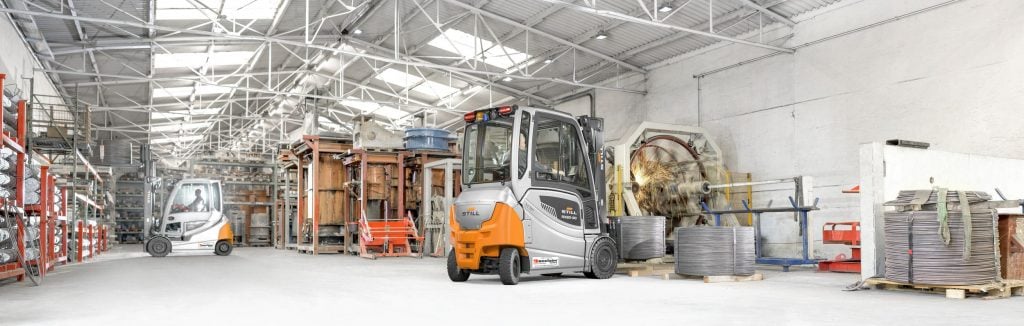
We take the costs of the diesel and LPG trucks you run now and compare them with electric equivalents doing the same work. Then we weigh it up for you and present our findings.
The comparison is made truck by truck, because the answer is rarely the same for the whole fleet. A counterbalance working indoors on a single shift and a truck running all day on rough ground outside are two different decisions.
It is not only forklifts. Warehouse trucks, tow tractors and any other engine-powered machine in the fleet can go through the same comparison.
- Fuel against electricity for the same hours
- Servicing and breakdown history, per machine
- Cost per hour, by machine and across the fleet
- Hours run and how hard each machine works
- Where and when the trucks could charge
Total cost
Cost per hour, not purchase price
The purchase price is the smallest part of what a truck costs over its working life. We look at the whole cost of each machine for every hour it works.
Fuel and energy
Diesel or gas used against the electricity an equivalent electric truck would draw for the same hours and work.
- Measured hours, not estimates
- Charging fitted around your shifts
Servicing and breakdowns
What each machine has cost in servicing and repairs, and how often it has stopped. An engine has more to service than an electric drive.
- Service and repair spend per truck
- Breakdowns and time off the job
How much each truck works
A truck barely moving is a candidate for removal rather than replacement, electric or not.
- Hours per machine
- Machines past their economic life
Carbon reporting
Fleet emissions figures for your reporting
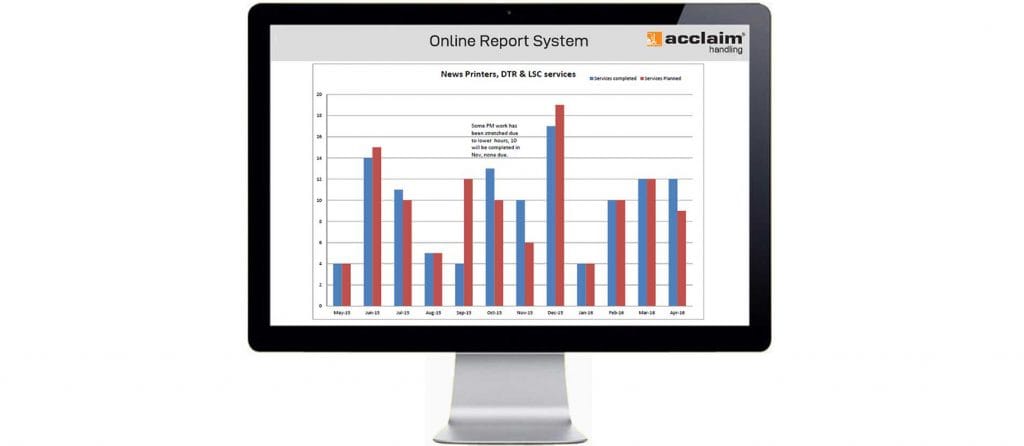
Fuel burned in your own trucks counts towards your Scope 1 emissions. Electricity bought to charge them counts towards Scope 2.
As part of the review, we give you emissions figures for each machine, based on the fuel and energy it uses, as the fleet stands and as it would be after the change. You can use them in your own carbon reporting, or in the carbon reduction plan a contract or tender asks for.
- Figures per machine and for the whole fleet
- Before and after the change
- Laid out for your own Scope 1 and 2 reporting
The site
Charging, batteries and the site
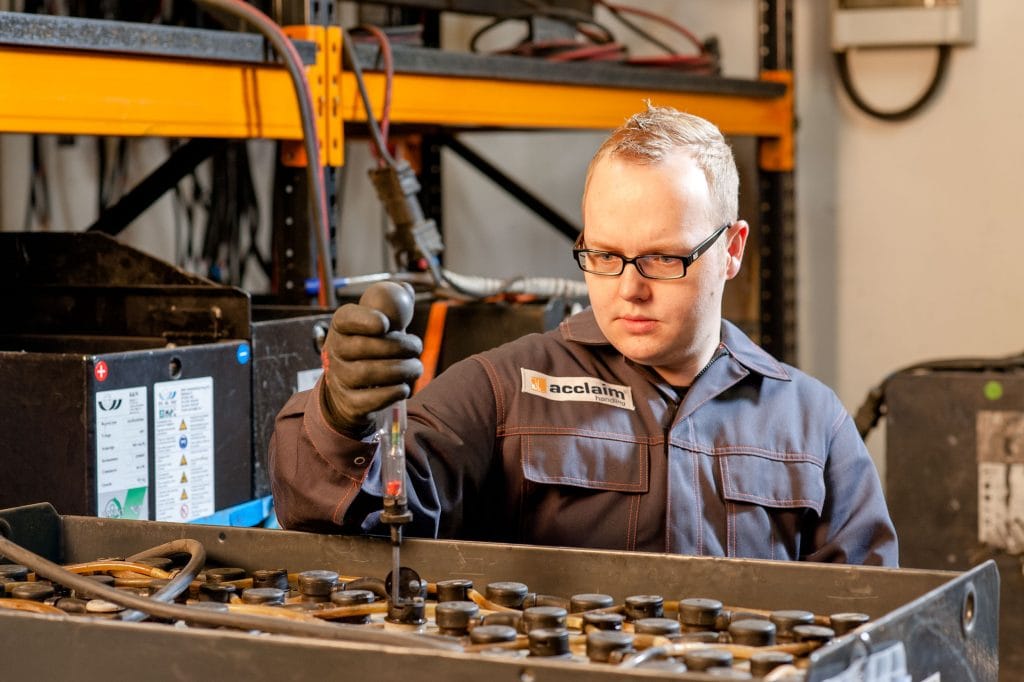
An electric fleet only works if the trucks can charge without stopping the job. We look at your shift pattern, where a charging area could go, and whether the trucks can top up during breaks.
We supply batteries and chargers matched to the truck and the duty. See battery supply and regeneration.
Where a diesel truck still does a job better, we say so: long continuous shifts, rough ground outside, or nowhere practical to charge. A mixed fleet is often the right answer.
What you get
How the review works
Our electric vs diesel case study sets out how the comparison works in detail. The review applies it to your own trucks.
- The figures.
Fuel and electricity, hours, and servicing and breakdown records. Where we already service your fleet, much of this is in our own records.
- The site.
A free site visit to look at how and where each truck works, and where charging would go.
- Our findings.
Presented machine by machine: keep it, change it for electric, or hire for the peaks. Each with its cost per hour and emissions.
- Your options.
Buy outright, hire, contract hire or lease. See leasing and contract hire, and part exchange for the trucks being replaced.
Talk to us
Find out what your fleet really costs
Tell us how many trucks you run, what powers them and where they work, and we will arrange the review.
Fleet Review: common questions
Eight depots across the UK
Our own engineers, out of our own depots - wherever you are, service comes from us.
Additional Services
Checkout our range of other machine services below