On this page
- Why Preparation Matters Before a Temporary Forklift Arrives
- Assessing Your Site Layout and Access Points
- Briefing Staff and Checking Operator Licences
- Setting Up Safe Storage and Charging Areas
- Planning for Peak and Seasonal Demand
- Working Closely with Your Hire Provider
- Need Extra Capacity This Winter? Talk to Acclaim Handling
- FAQs
- How far in advance should I prepare for a hired forklift?
- Do operators need additional training for a temporary forklift?
- What should I check when a hired forklift arrives?
- Can I use my existing forklift charging area?
- What is the biggest preparation mistake to avoid?
Bringing a temporary forklift into your warehouse can help you manage a sudden increase in orders, cover a breakdown or complete a short-term project without purchasing additional equipment. However, getting the most from a hired truck involves more than arranging delivery. Your site, operators and working procedures all need to be ready before it starts moving loads.
Preparing a warehouse for hired forklift use means checking that the equipment suits your tasks, routes are safe, staff understand any changes and suitable arrangements are in place for charging or parking. A little planning beforehand can reduce disruption and help the truck become a productive part of your operation from day one.
Why Preparation Matters Before a Temporary Forklift Arrives
A hired forklift may have different dimensions, controls, turning characteristics or power requirements from the equipment your team normally uses. Even experienced operators need to understand the specific truck and how it will operate within your site.
Without adequate preparation, a delivery can be delayed by restricted access, unsuitable floor conditions or a lack of space for charging. Staff may also be uncertain about traffic routes or who is responsible for daily checks.
- Before delivery, appoint someone to coordinate the handover and confirm that the relevant preparations have been completed. Your temporary forklift checklist should cover:
- The truck’s suitability for your loads and working environment.
- Delivery access and safe unloading arrangements.
- Traffic routes, pedestrian separation and operating areas.
- Operator competence and site-specific familiarisation.
- Parking, charging or refuelling facilities, as applicable.
- Inspection procedures, emergency arrangements and supplier contacts.
These checks are particularly important when hiring at short notice. Preparing in advance gives you time to resolve practical issues without holding up deliveries or putting pressure on staff to use unfamiliar equipment before they are ready.
Assessing Your Site Layout and Access Points
Start by reviewing where the forklift will travel, what it needs to lift and how it will reach the working area. A truck that suits the load capacity on paper may not be appropriate if aisles are too narrow or the floor cannot safely support its use.
Check access and turning space. Measure doorways, aisles, loading bays and any restricted points along the intended route. Consider the truck’s overall dimensions, turning radius, mast height and overhead clearance, including when the mast is raised.
Review floor conditions. Look for damaged surfaces, potholes, uneven joints, loose materials and slippery patches. Check ramps and slopes against the truck’s operating requirements, and confirm that floors and any elevated areas can support the combined loads involved.
Separate pedestrians from vehicles. Identify routes used by warehouse staff, visitors and delivery drivers. Where possible, provide separate walkways, clear crossing points and suitable barriers. Mark vehicle routes and communicate speed limits and reversing procedures.
Plan the delivery itself. Make sure the delivery vehicle can reach a suitable unloading area without obstructing other operations. Reserve enough space for unloading and moving the forklift safely into position.
Update your risk assessment to reflect the additional truck and any changes to traffic movements. A temporary addition can affect existing arrangements, particularly during busy shifts when pedestrian and vehicle movements increase. Clear signage, good lighting and unobstructed routes help everyone understand the revised layout.
Briefing Staff and Checking Operator Licences
A new forklift affects more than the person sitting in the driver’s seat. Warehouse staff, supervisors and visiting drivers may all need to understand changes to vehicle movements and working arrangements.
Before the truck arrives, identify who is authorised to operate it and confirm that their training and competence cover the type of equipment being supplied. In the UK, there is no single government-issued forklift driving licence; employers must ensure operators receive appropriate training and are competent for the work they undertake.
Previous experience alone does not guarantee that someone can safely operate a different truck. Controls, attachments, visibility and stability characteristics can vary, so operators need suitable familiarisation with the specific machine and its intended use.
A warehouse forklift onboarding briefing should cover:
- The truck’s controls, operating limits and safety features.
- The loads it will handle and any relevant capacity restrictions.
- Approved travel routes, speed limits and pedestrian crossing points.
- Daily pre-use checks and how to report defects.
- Site emergency procedures and who to contact if something goes wrong.
Supervisors should also explain any temporary changes to normal workflows. For example, if a hired truck will work near a packing station, staff may need a revised route to avoid crossing its operating area.
Make sure operators have enough time to familiarise themselves with the equipment without production pressures. If the truck requires a different skill set or additional training, resolve that before putting it into service.
Setting Up Safe Storage and Charging Areas
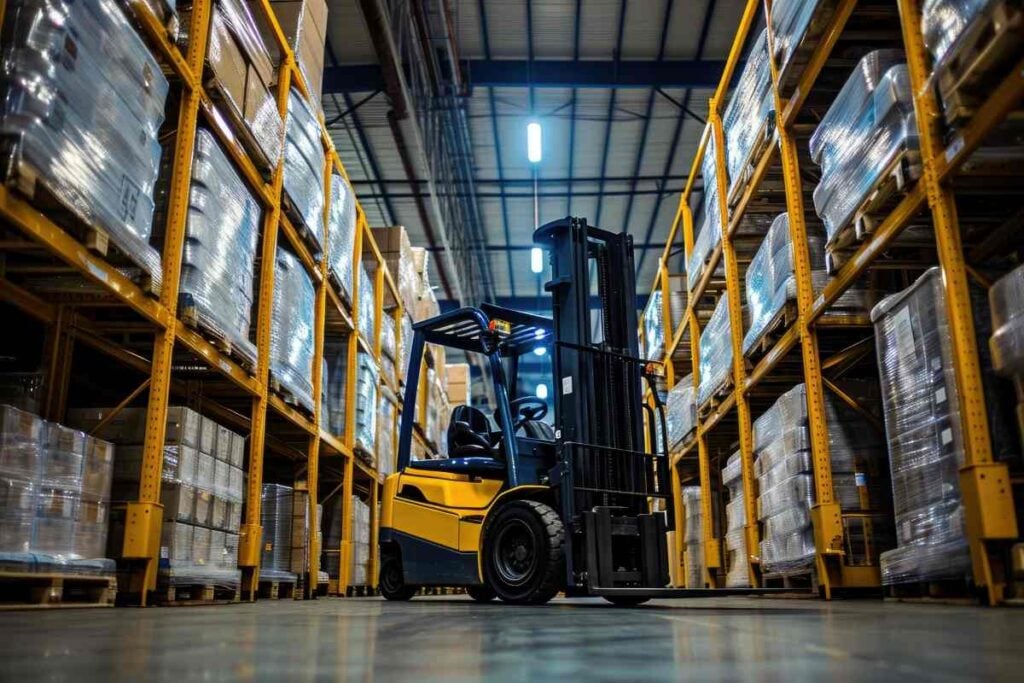
The forklift needs a suitable place to park when it is not in use. Choose a designated area that does not obstruct fire exits, pedestrian routes, loading bays or access to emergency equipment. The surface should be suitable for the truck, and the area should be secure enough to prevent unauthorised use.
Power requirements depend on the equipment supplied. Electric forklifts may require a dedicated charging location and compatible charging equipment, while internal combustion models need appropriate arrangements for fuel storage and handling. Confirm the requirements with your hire provider rather than assuming existing facilities will suit every truck.
For electric equipment, check the following before delivery:
- The correct charger and compatible power supply are available.
- Charging cables can be managed without creating trip hazards.
- The charging area has suitable ventilation and protection from damage, as required for the battery and charging system.
- Staff understand the manufacturer’s charging instructions and emergency procedures.
Do not improvise charging arrangements or use incompatible equipment. Battery technologies have different requirements, so follow the instructions supplied for the particular truck.
Also agree how daily inspections, cleaning and defect reporting will work. A hired forklift still needs appropriate checks and maintenance arrangements; temporary status does not remove the need to operate it safely.
Planning for Peak and Seasonal Demand
Temporary forklifts are often brought in when normal capacity is no longer enough. This may happen during a busy retail period, a large contract, a stocktake or a seasonal increase in production.
Plan the additional truck’s role before the workload peaks. Decide which tasks it will handle, which shifts it will cover and whether it will work alongside existing equipment or replace a truck that is unavailable. This helps avoid congestion caused by too many vehicles competing for the same space.
If winter demand is approaching, consider how colder conditions could affect both the equipment and the warehouse. Wet entrances, reduced daylight, condensation and slippery external routes may introduce additional risks. Properly preparing your warehouse for winter can help you identify wider site preparations before conditions deteriorate.
Outdoor operations may also require attention to battery performance, tyre suitability and surface conditions. If you’re preparing your fleet for colder months, apply similar forward planning when deciding what temporary equipment and precautions they need.
Avoid waiting until demand has already exceeded capacity. Confirm the expected hire period, delivery date and equipment specifications early enough to organise the site and brief staff properly.
Working Closely with Your Hire Provider
Your hire provider should understand what the forklift needs to do, where it will operate and how long you expect to need it. Share details of your loads, lift heights, aisle widths, floor conditions, working hours and whether the truck will be used indoors, outdoors or in both environments.
This information helps the supplier identify suitable equipment and flag any requirements that need attention before delivery. It also gives you an opportunity to clarify practical arrangements with essential questions to ask a rental company, including delivery and collection, maintenance, breakdown reporting and responsibility for damage.
Before confirming the hire, establish:
- What documentation and operating information will be supplied.
- What checks and examinations are in place for the equipment.
- Who to contact if the forklift develops a fault.
- Whether replacement equipment or emergency support is available.
- Which servicing, maintenance and usage costs are included in the agreement.
On delivery day, inspect the truck for visible damage, confirm that the supplied equipment matches your agreement and make sure any defects are reported before use. Ensure the relevant handover information is available and that staff know how to raise concerns.
Need Extra Capacity This Winter? Talk to Acclaim Handling
At Acclaim Handling, we understand that warehouse requirements can change quickly, whether you need to cover a breakdown, handle a seasonal surge or keep a project on schedule. Our team can help you identify suitable equipment and plan a hire around your operational needs.
With eight regional depots across the UK, we have a broad network supporting businesses with materials handling equipment. Our range includes counterbalance and reach forklifts, electric models, pallet trucks and specialist solutions, allowing us to consider different site layouts and handling requirements.
We also provide 24/7 breakdown callout support, which can be particularly valuable when equipment problems threaten to interrupt essential operations. Our team supports machinery from other suppliers too, giving businesses access to assistance beyond equipment originally supplied by us.
If you need to hire a forklift, discuss your loads, site conditions, working hours and expected hire period with our team. Sharing those details early helps us work towards a suitable solution and gives you time to prepare your warehouse before the truck arrives.
With the right equipment and a well-planned handover, temporary forklift hire can provide extra capacity without adding unnecessary disruption to your operation.
FAQs
How far in advance should I prepare for a hired forklift?
Ideally, begin as soon as the hire is agreed. Allow time to check site access, assess risks, organise charging facilities and brief operators before delivery.
Do operators need additional training for a temporary forklift?
They must be competent and appropriately trained for the equipment and tasks involved. Familiarisation with the specific truck and workplace is also important, even for experienced operators.
What should I check when a hired forklift arrives?
Confirm that it matches the agreed specification, inspect it for visible damage, review the supplied documentation and report any concerns before use. Make sure the operator understands its controls and safety features.
Can I use my existing forklift charging area?
Possibly, but check that it suits the hired truck’s battery technology, charger, power requirements and safety instructions. Never assume that every electric forklift can use the same charging equipment.
What is the biggest preparation mistake to avoid?
Treating delivery as the final step rather than part of a wider plan. If routes, operators, parking arrangements and site procedures are not ready, the forklift may not be usable when you need it most.