On this page
- Why Forklift Finance Matters for UK Businesses
- Hire Purchase: How It Works and Who It Suits
- Leasing vs Owning: Key Differences
- Tax and VAT Considerations for Forklift Finance
- Common Mistakes Businesses Make When Financing Equipment
- How to Choose the Right Finance Partner
- Get Expert Advice from Acclaim Handling
- FAQs
- What are the main forklift finance options for UK businesses?
- Is forklift leasing cheaper than hire purchase?
- Can a small business get forklift finance?
- Can I finance a used forklift?
- Can I claim tax relief on a financed forklift?
- What should I check before signing a forklift finance agreement?
Buying a forklift is a significant investment, particularly if your business needs several trucks or is expanding its warehouse operations. Paying the full cost upfront is not always practical, but choosing finance without understanding the terms can create problems further down the line.
There are several forklift finance options available to UK businesses, including hire purchase, leasing and business loans. Each works differently, affecting monthly payments, ownership, cash flow and what happens when the agreement ends.
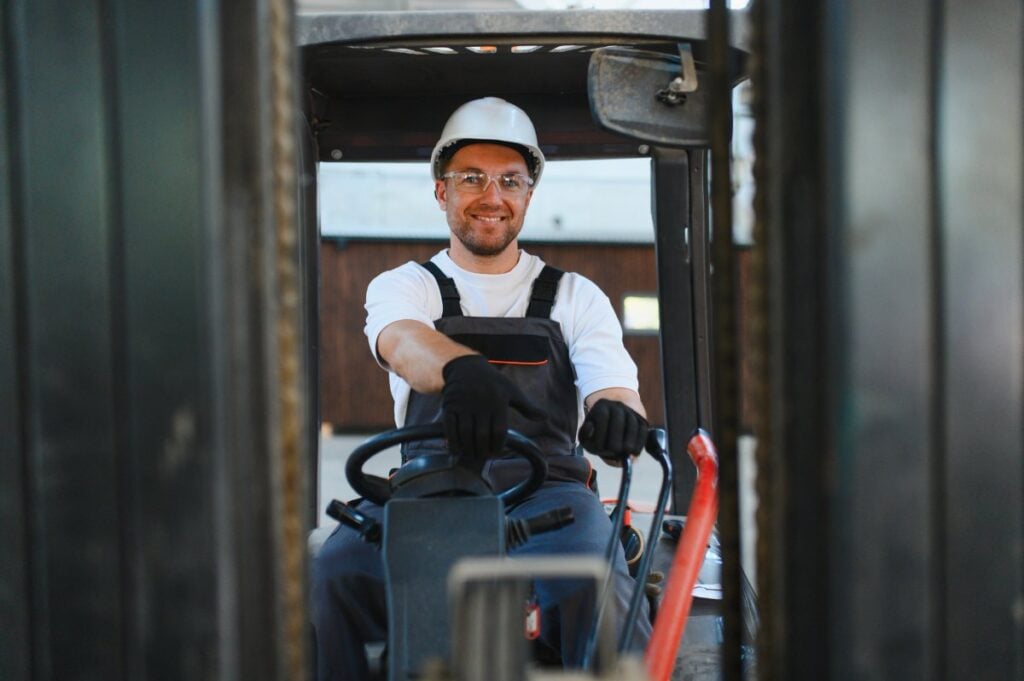
The right choice depends on how intensively you use your equipment, whether you want to own it long-term and how much flexibility your business needs. Understanding these differences makes it easier to find a funding arrangement that supports your operation without putting unnecessary pressure on your budget.
Why Forklift Finance Matters for UK Businesses
Forklifts play an essential role in many warehouses, manufacturing facilities, distribution centres and construction sites. When a truck becomes unreliable or your workload increases, delaying replacement can affect productivity, safety and delivery schedules.
However, buying outright ties up capital that could be used elsewhere in the business. Finance spreads the cost over an agreed period, allowing you to access the equipment you need while retaining more working capital for wages, stock, premises and other operating expenses.
Depending on the agreement, forklift finance may help you to:
- Manage cash flow: Spread payments rather than committing a large sum immediately.
- Expand your fleet: Add equipment when workloads increase or new contracts require additional capacity.
- Plan expenditure: Fixed repayments can make budgeting more predictable, although variable rates and additional charges may change the total cost.
- Access suitable equipment sooner: Replace an unsuitable truck before it creates ongoing operational problems.
Finance does not automatically make a forklift more affordable. Interest, fees, deposits and contractual commitments all affect the overall cost, so compare the full amount payable rather than focusing solely on the monthly figure.
It is also worth accounting for servicing, tyres, batteries, repairs and eventual replacement. Understanding the hidden costs of buying a forklift can help you build a more realistic budget before committing to finance.
Hire Purchase: How It Works and Who It Suits
Hire purchase (HP) allows your business to pay for a forklift through an initial deposit followed by regular instalments over an agreed term. Once you have met the contractual requirements, including any final payment or option-to-purchase fee, ownership can transfer to your business.
The main attraction is the opportunity to spread the purchase cost while working towards owning the equipment outright.
Hire purchase may suit businesses that:
- Expect to use the forklift regularly over several years.
- Want to own the equipment at the end of the agreement.
- Prefer predictable repayments over a large upfront payment.
- Need to retain working capital for other business expenses.
For example, a distribution business that uses the same counterbalance truck every working day may benefit from HP if it expects to keep that truck for the foreseeable future.
However, the total cost will usually exceed the cash purchase price once interest and applicable fees are included. Your business also remains committed to the repayments even if workloads fall or the forklift is used less than expected.
Before signing, check the deposit, interest rate, repayment schedule, agreement term and final payment requirements. Confirm who is responsible for maintenance and insurance, and understand the consequences of missed payments.
Leasing vs Owning: Key Differences
Leasing provides access to a forklift for an agreed period in return for regular payments. Unlike hire purchase, a standard lease does not automatically lead to ownership at the end of the term. Depending on the agreement, you may return the truck, extend the arrangement or discuss other options with the provider.
The choice between forklift leasing vs hire purchase largely comes down to whether long-term ownership or flexibility matters more to your operation.
| Consideration | Hire Purchase | Leasing |
| Ownership | Can transfer after the agreement’s requirements are met | Usually remains with the leasing provider unless a purchase option applies |
| Initial cost | Often requires a deposit | May require an initial rental or other upfront payment |
| Monthly payments | Repay the financed purchase cost plus interest and fees | Pay for use of the equipment under the agreed terms |
| End of agreement | Keep the forklift once ownership transfers | Usually return the truck or agree on an available extension or other option |
| Best suited to | Businesses planning to keep equipment long-term | Businesses that value flexibility or expect requirements to change |
Leasing may be attractive if you need equipment for a defined period or expect your fleet requirements to change. It can also make it easier to plan for replacement, depending on the agreement and available models.
HP may be more suitable if you want to build towards ownership and expect the forklift to remain useful for years. Neither option is automatically cheaper: compare deposits, payments, maintenance responsibilities, mileage or usage restrictions where applicable, return conditions and the total cost over the period you expect to use the truck.
The equipment itself matters too. Consider whether a new or used truck makes more sense for your workload, expected service life and budget. Comparing new vs used forklifts can help you narrow down the equipment choice before comparing finance offers.
Tax and VAT Considerations for Forklift Finance
Tax treatment can influence the overall cost of a forklift, but the rules differ depending on the funding arrangement, accounting treatment and your business’s circumstances. It is important not to assume that leasing and hire purchase receive the same treatment.
Capital allowances: Eligible businesses may be able to claim tax relief on qualifying plant and machinery. However, eligibility depends on the asset, the business and the arrangement. Ownership rules and specific provisions can affect hire purchase and leasing agreements.
Business expenses: Interest, finance charges and lease rentals may receive different tax treatment. The amount that can be deducted, and when relief is available, depends on the applicable rules and how the arrangement is treated for tax purposes.
VAT: If your business is VAT-registered, the VAT treatment of a forklift purchase, hire purchase agreement or lease may differ. The amount and timing of VAT charged, and whether it can be reclaimed, depend on the transaction and the business’s entitlement to recover input tax.
Tax relief should form part of the wider decision, not the only reason for choosing a particular agreement. A funding arrangement still needs to work for your cash flow, equipment requirements and long-term plans.
Common Mistakes Businesses Make When Financing Equipment
Finance can make equipment more accessible, but a poorly chosen agreement can create avoidable costs and restrictions. Before deciding whether to hire, lease or buy a forklift, watch out for these common mistakes.
- Choosing based only on monthly payments: A lower instalment may come with a longer term, a larger final payment or higher overall interest. Compare the total amount payable.
- Underestimating running costs: Budget for servicing, repairs, tyres, batteries and insurance alongside the finance repayments.
- Ignoring the agreement’s end date: Check whether you will own the truck, return it or need to negotiate another arrangement. Do not assume ownership transfers automatically.
- Overlooking changing workloads: A forklift that suits today’s requirements may not be appropriate if your business expands, changes its warehouse layout or takes on different contracts.
- Failing to check early termination terms: Find out what happens if you need to end the agreement early, change equipment or reduce your fleet.
- Assuming every finance option works the same way: Hire purchase, leasing and business loans have different ownership arrangements, obligations and potential tax implications.
How to Choose the Right Finance Partner
The finance provider matters just as much as the agreement itself. Clear terms and suitable equipment can help you make a confident decision, while a funding arrangement that does not match your operation can create difficulties later.
Before proceeding, consider the following:
Understand your business requirements. Establish how many forklifts you need, the loads they will handle, the working environment and how many hours they will operate. These details help you avoid financing equipment that is unsuitable for the job.
Compare the complete cost. Request a clear breakdown of the deposit, repayments, interest, fees and any final payment. For a lease, check the return conditions and charges that could apply at the end.
Check flexibility. Ask what happens if your workload changes, you need another truck or the agreement no longer suits your operation. Make sure any extension, upgrade or early termination arrangements are documented.
Clarify maintenance and support. Find out who is responsible for servicing, repairs and breakdowns. Reliable support can be particularly important when a forklift is essential to daily operations.
Review the contract carefully. Check the agreement term, ownership conditions, insurance requirements and responsibilities before signing. If anything is unclear, ask for an explanation rather than relying on assumptions.
A good finance decision starts with choosing the right equipment and understanding the agreement in full. The lowest monthly payment is not necessarily the best deal if the forklift cannot meet your needs or the contract leaves you with unexpected costs.
Get Expert Advice from Acclaim Handling
At Acclaim Handling, we understand that choosing a forklift involves more than comparing specifications and prices. The right equipment needs to suit your site, workload and budget, while the purchasing decision must support your wider business plans.
Our team can help you explore suitable equipment for your operation, whether you need a truck for a busy warehouse, a manufacturing facility or outdoor materials handling. We can also help you consider the practical differences between equipment types and whether a new or used model is likely to meet your requirements.
If purchasing is the right route for your business, explore our range of forklifts for sale to see the equipment available.
Before arranging finance, it is worth comparing your expected usage, the period you intend to keep the truck and the full cost of ownership. We can help you identify the equipment requirements to discuss with your chosen finance provider, while your accountant or financial adviser can clarify the implications of specific agreements.
Taking the time to make these comparisons can help you invest in equipment that supports productivity today without putting unnecessary pressure on your business finances.
FAQs
What are the main forklift finance options for UK businesses?
The main options include hire purchase, leasing and business loans. Hire purchase can lead to ownership, leasing provides use of equipment for an agreed period, and a loan allows you to borrow funds to purchase a forklift.
Is forklift leasing cheaper than hire purchase?
Not necessarily. Leasing may involve lower regular payments in some circumstances, but the total cost depends on the agreement, term, fees and what happens at the end. Compare the full cost before deciding.
Can a small business get forklift finance?
Potentially, yes. Approval depends on the finance provider’s criteria and your business’s financial circumstances. Providers may assess affordability, trading history and creditworthiness before offering an agreement.
Can I finance a used forklift?
Some finance providers offer funding for used forklifts, although eligibility can depend on the machine’s age, condition, value and the provider’s terms. Check these requirements before choosing your equipment.
Can I claim tax relief on a financed forklift?
Your business may qualify for tax relief, but the treatment depends on the finance agreement, ownership arrangements and applicable tax rules. Speak to your accountant before committing.
What should I check before signing a forklift finance agreement?
Review the deposit, interest rate, total payable, repayment schedule, fees, ownership terms, maintenance responsibilities and early termination conditions. Make sure the agreement suits your expected workload and budget.