On this page
- Part 1: The Complete Guide to Choosing the Right Forklift for Your Business
- Understanding Your Operational Requirements
- Working Environment
- Floor Conditions
- Load Weight and Lift Height
- Shift Patterns and Productivity
- Why Total Cost of Ownership Matters
- Electric Forklifts: The Modern Warehouse Solution
- Lower Running Costs
- Reduced Noise
- Zero Tailpipe Emissions
- Lithium-Ion Batteries: Changing the Industry
- When LPG Forklifts Make Sense
- Diesel Forklifts: Built for Heavy-Duty Outdoor Applications
- Reach Trucks: Maximising Warehouse Space
- Pallet Trucks: An Essential Warehouse Tool
- Should You Buy, Lease or Hire a Forklift?
- The Future of Materials Handling
- Keeping Your Forklift Performing at Its Best
- Final Thoughts
- Electric vs LPG vs Diesel Forklifts: Which Is Best?
- 10 Questions to Ask Before Buying a Forklift
- Common Mistakes When Choosing a Forklift
- Frequently Asked Questions
- What type of forklift is best for warehouses?
- Can LPG forklifts be used indoors?
- How long does a forklift battery last?
- Should I buy, lease or hire a forklift?
- How often should forklifts be serviced?
- What forklift capacity do I need?
- Conclusion
Part 1: The Complete Guide to Choosing the Right Forklift for Your Business
Selecting the right forklift is one of the most important decisions any warehouse, logistics operation, manufacturing facility or construction business can make. The right truck does far more than move goods from one location to another—it improves productivity, enhances workplace safety, reduces operating costs and helps future-proof your business.
With advancements in battery technology, automation and environmentally friendly power sources, businesses now have more choice than ever before. While this is beneficial, it also means selecting the most suitable forklift requires careful planning. Every operation is different, and choosing equipment based solely on purchase price can often lead to higher maintenance costs, reduced efficiency and unnecessary downtime.
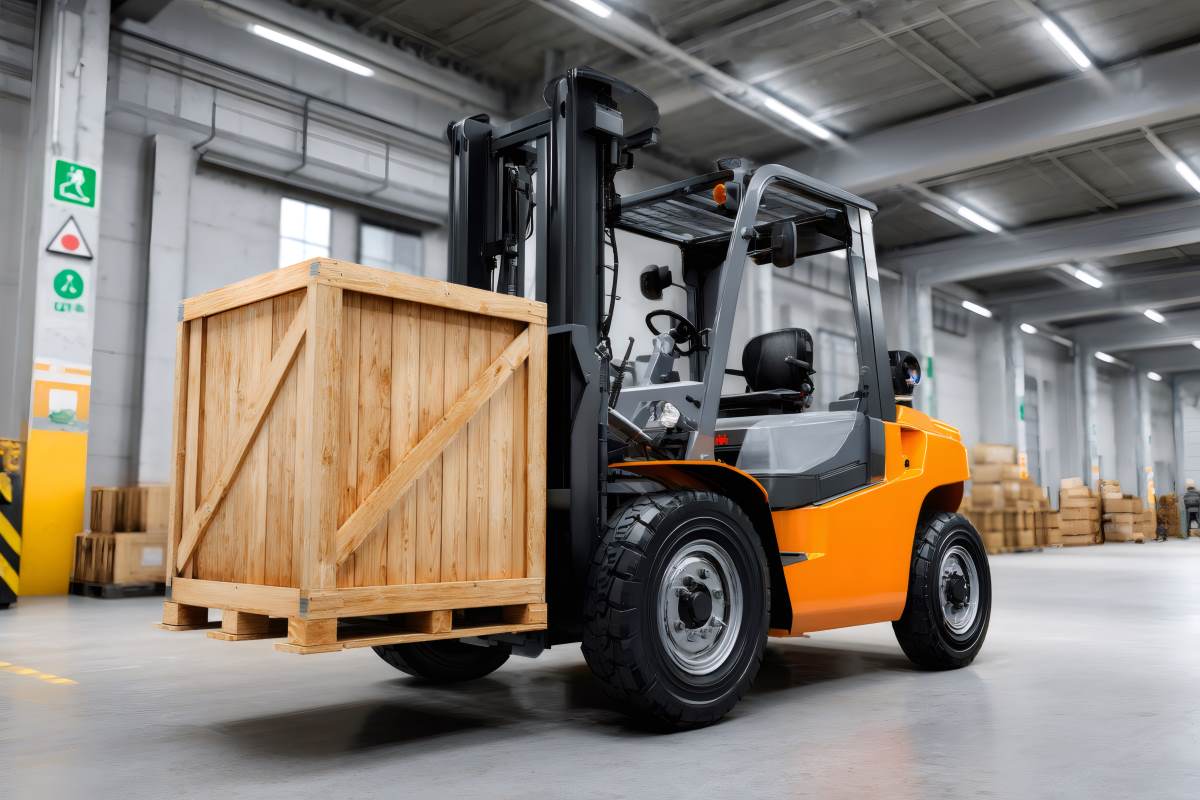
Before investing in a new forklift or expanding your fleet, it’s essential to understand how your equipment will be used, what environment it will operate in and the total cost of ownership throughout its working life.
Understanding Your Operational Requirements
Before comparing forklift models, businesses should evaluate their day-to-day operations. Every application places different demands on materials handling equipment and identifying these requirements first will help narrow down the most appropriate solution.
Several key factors should be considered.
Working Environment
The operating environment has one of the biggest influences on forklift selection.
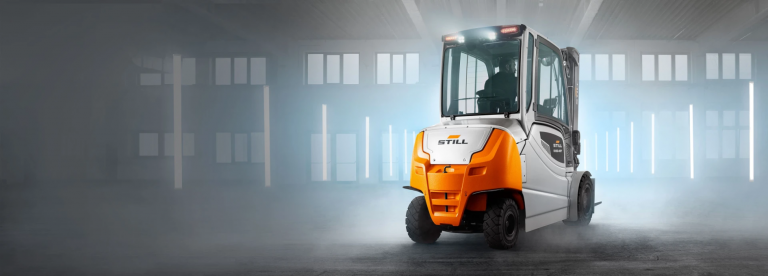
Indoor warehouses require equipment that produces no harmful emissions while operating quietly around staff. Electric forklifts have become the preferred solution for these applications because they improve air quality, reduce noise pollution and require less routine maintenance than internal combustion machines.
Outdoor operations present different challenges. Construction sites, builders’ merchants, ports, and industrial yards often feature uneven surfaces, changing weather conditions and heavier loads. These environments usually demand the additional power and durability offered by LPG or diesel forklifts.
Businesses that regularly move between indoor and outdoor locations may require a versatile solution capable of handling both environments without compromising performance.
Floor Conditions
The condition of your operating surface plays an equally important role.
Smooth concrete warehouse floors allow electric forklifts fitted with solid tyres to operate efficiently while maintaining excellent manoeuvrability.
Outdoor yards with gravel, damaged concrete or uneven ground often require pneumatic tyres, providing better grip, stability and operator comfort.
Using unsuitable tyres can accelerate wear, increase maintenance costs and reduce overall safety.
Load Weight and Lift Height
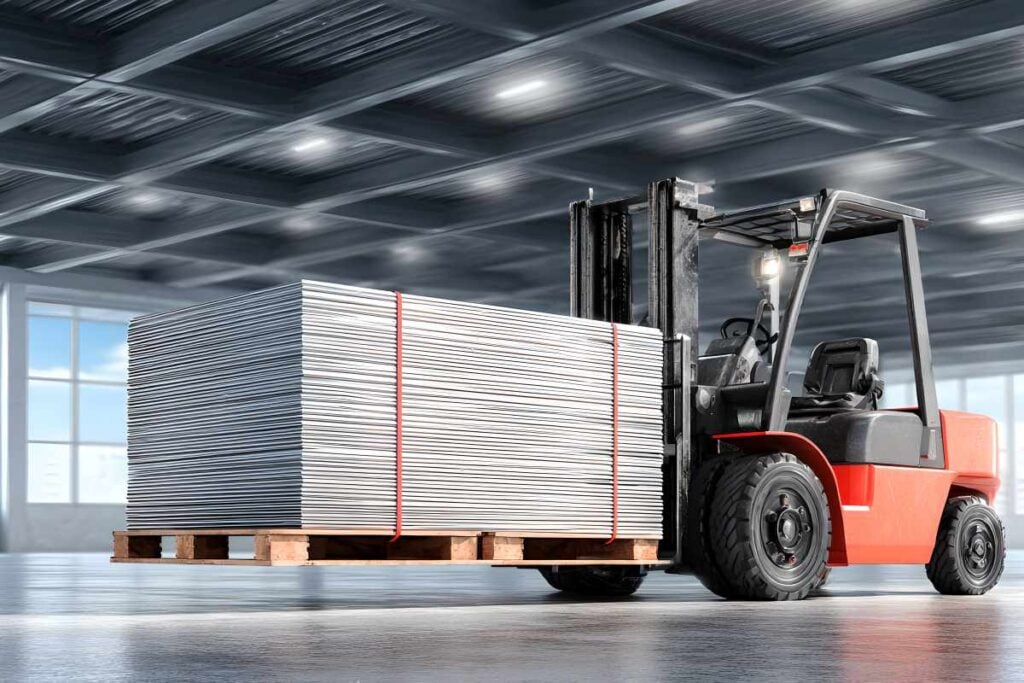
Every forklift has a rated lifting capacity, but this figure should never be viewed in isolation.
Businesses should assess:
- Maximum pallet weight
- Average load weight
- Load dimensions
- Centre of gravity
- Maximum storage height
- Frequency of heavy lifting
Lifting capacity decreases as the load centre moves further away from the mast or when lifting to greater heights. Choosing equipment with adequate capacity provides a valuable safety margin while ensuring compliance with manufacturer guidelines.
It is equally important to consider future growth. Purchasing a truck with slightly greater capacity today may eliminate the need for another investment as operations expand.
Shift Patterns and Productivity
How intensively the forklift will be used has a major impact on selecting the appropriate power source.
Single-shift warehouse operations often benefit from conventional electric forklifts, where batteries can be fully charged overnight.
Multi-shift operations require more strategic planning. Downtime caused by charging batteries can significantly reduce productivity if not properly managed.
Modern lithium-ion battery technology has transformed electric forklift performance by allowing opportunity charging throughout the day. Operators can simply connect the truck during breaks or between tasks without damaging battery life.
For businesses operating almost continuously, LPG or diesel trucks still offer advantages through rapid refuelling, while hydrogen fuel cell technology is emerging as an alternative for high-utilisation fleets.
Why Total Cost of Ownership Matters
One of the biggest mistakes businesses make is focusing solely on purchase price.
A forklift is a long-term investment, and its ongoing operating costs often exceed the original purchase price over its lifetime.
When calculating value, businesses should consider:
- Fuel or electricity costs!
- Scheduled servicing.
- Repairs
- Tyre replacement
- Battery maintenance
- Operator productivity
- Downtime
- Expected lifespan.
- Residual resale value
For example, an electric forklift may have a higher initial purchase price than a comparable LPG model, but significantly lower running costs over several years due to reduced servicing requirements and lower energy costs.
Evaluating the total cost of ownership rather than upfront expenditure usually results in better long-term financial decisions.
Electric Forklifts: The Modern Warehouse Solution
Electric forklifts have rapidly become the preferred choice for warehouses, retail distribution centres and manufacturing facilities.
Advances in electric motor efficiency and battery technology mean today’s electric trucks deliver excellent performance while producing zero exhaust emissions.
They are particularly suitable where operators work indoors for extended periods or where food production, pharmaceuticals or clean manufacturing environments demand strict air quality standards.
Modern electric forklifts also offer several operational advantages.
Lower Running Costs
Electric motors contain significantly fewer moving parts than diesel or LPG engines.
Without oil changes, fuel filters, exhaust systems or engine servicing, maintenance requirements are greatly reduced.
Electricity is also generally cheaper than traditional fuels, helping lower operating expenses over time.
Reduced Noise
Electric forklifts operate much more quietly than combustion-powered alternatives.
Lower noise levels create a more comfortable working environment, improve communication between staff and contribute to better overall workplace safety.
Zero Tailpipe Emissions
Because electric forklifts produce no exhaust gases during operation, they are ideal for enclosed buildings where ventilation may be limited.
This makes them particularly popular within:
- Food warehouses
- Pharmaceutical facilities
- Retail distribution centres
- Cold storage
- Manufacturing plants
- Logistics hubs
Lithium-Ion Batteries: Changing the Industry
The biggest development in recent years has been the adoption of lithium-ion batteries.
Traditional lead-acid batteries require lengthy charging cycles, regular maintenance, and dedicated charging rooms.
Lithium-ion systems eliminate many of these challenges.
Key benefits include:
- Opportunity charging during breaks.
- Faster charging times
- Longer battery lifespan
- No battery watering
- Minimal maintenance
- Consistent performance throughout discharge
- Higher energy efficiency
Although lithium-ion batteries require greater initial investment, many businesses recover these costs through increased productivity and reduced maintenance over the life of the truck.
As battery technology continues to improve, lithium-ion is becoming the preferred option for many new electric forklift fleets.
When LPG Forklifts Make Sense
Liquefied Petroleum Gas (LPG) forklifts continue to play an important role across many industries.
They provide an excellent balance between power, flexibility, and quick refuelling.
Unlike electric trucks, LPG forklifts can be refuelled within minutes simply by replacing the gas cylinder, making them particularly attractive for operations where downtime must be kept to a minimum.
They also cope well with outdoor environments and can operate on uneven ground more effectively than many electric alternatives.
Many businesses choose LPG trucks because they regularly move between indoor and outdoor locations. While adequate ventilation is still essential indoors, LPG forklifts generally produce fewer emissions than diesel-powered machines, making them a practical compromise for mixed-use applications.
Diesel Forklifts: Built for Heavy-Duty Outdoor Applications
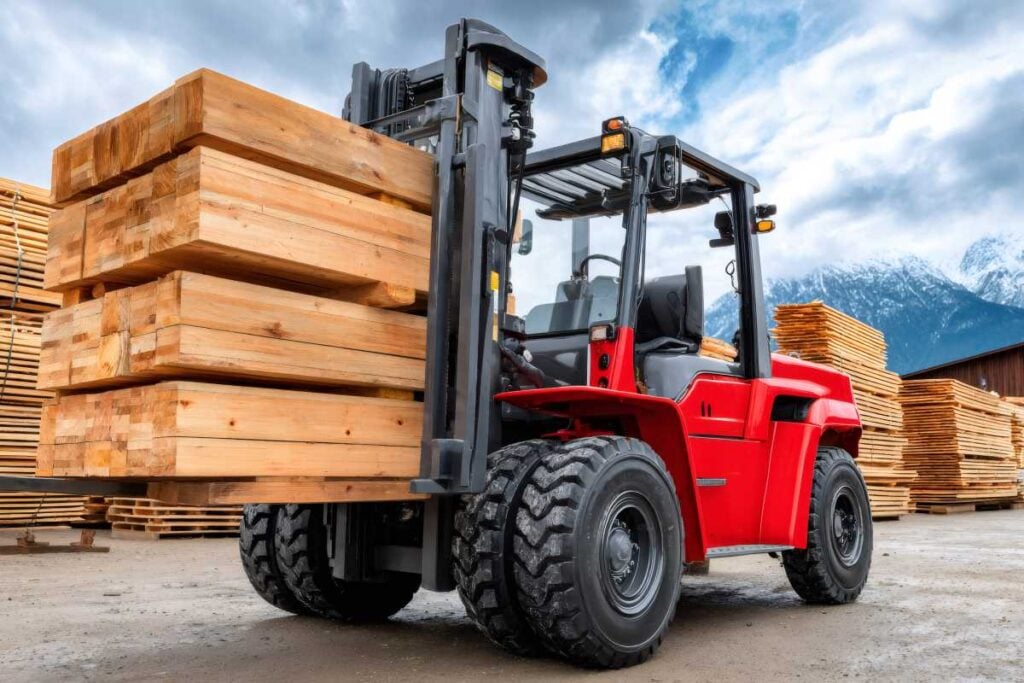
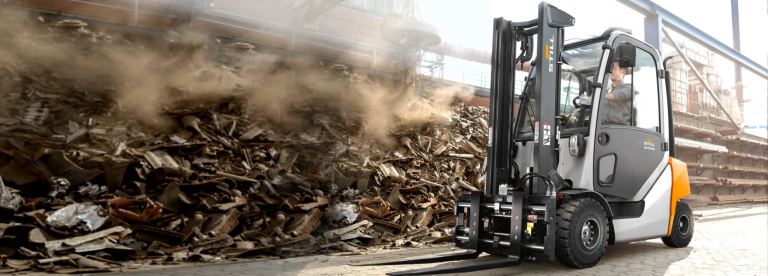
While electric forklifts continue to grow in popularity, diesel-powered forklifts remain the preferred choice for many demanding industrial environments. Their robust engines, high lifting capacities, and ability to operate continuously make them well suited to construction sites, timber yards, ports, recycling facilities, and heavy manufacturing.
One of the biggest advantages of diesel forklifts is their ability to work on rough or uneven terrain. Fitted with pneumatic tyres and powerful engines, they provide excellent traction and stability when moving heavy loads across gravel, concrete yards, or uneven ground.
Diesel forklifts can also be refuelled in just a few minutes, making them ideal for businesses operating long shifts where downtime needs to be kept to a minimum.
However, diesel engines do produce exhaust emissions and are unsuitable for prolonged indoor use. Businesses should also consider the impact of fuel prices and routine engine servicing when calculating the total cost of ownership.
For organisations regularly handling loads of several tonnes in challenging outdoor environments, diesel forklifts remain one of the most dependable and productive solutions available.
Reach Trucks: Maximising Warehouse Space
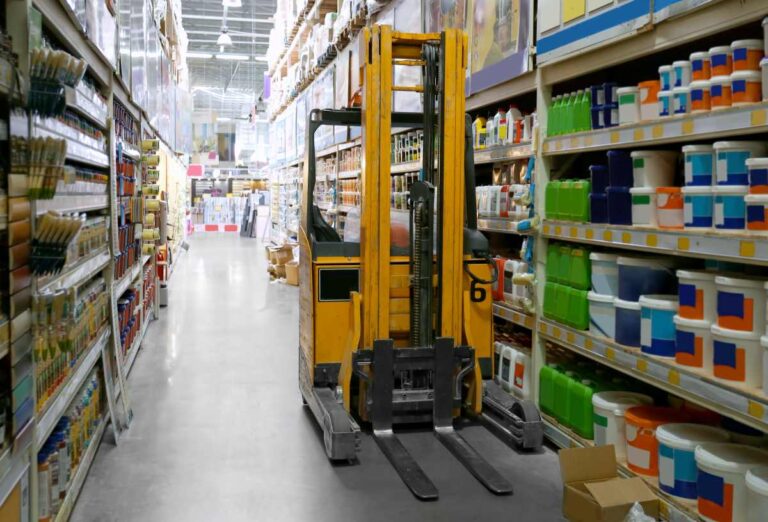
As warehouse space becomes increasingly valuable, many businesses are looking upwards rather than outwards. Reach trucks are specifically designed to maximise storage capacity by enabling operators to place pallets safely at significant heights while working within narrow aisles.
Unlike a standard counterbalance forklift, a reach truck extends its mast forward to collect or deposit a load before retracting it back towards the chassis. This design provides greater stability while allowing warehouses to reduce aisle widths and increase the number of storage locations.
Modern reach trucks can lift pallets more than 12 metres, making them an essential piece of equipment for high-density warehousing and distribution centres.
Their compact design also offers excellent manoeuvrability, allowing operators to work efficiently within confined spaces where larger forklifts would struggle.
As reach trucks operate on solid tyres and are powered by electric batteries, they are intended exclusively for indoor use on smooth warehouse floors.
Pallet Trucks: An Essential Warehouse Tool
Not every materials handling task requires a full-sized forklift.
For transporting pallets over short distances, pallet trucks provide a simple, cost-effective and efficient solution. They are commonly used in warehouses, retail stockrooms, delivery vehicles and manufacturing facilities to move goods quickly while reducing manual handling.
Manual pallet trucks remain popular because they are inexpensive, reliable and easy to operate. However, businesses with higher workloads often benefit from electric pallet trucks, which significantly reduce operator fatigue while increasing productivity throughout the working day.
Powered pallet trucks are particularly beneficial where heavy loads are moved frequently or across longer distances, helping improve both efficiency and workplace safety.
Although pallet trucks cannot lift loads to height, they remain an indispensable part of many warehouse operations due to their simplicity, flexibility and low operating costs.
Should You Buy, Lease or Hire a Forklift?
Selecting the right forklift is only part of the decision. Businesses must also determine the most suitable method of acquiring their equipment.
Buying
Purchasing a forklift outright provides complete ownership and long-term value.
For businesses using forklifts daily over many years, ownership often represents the lowest lifetime cost. Purchased equipment also becomes a company asset and can retain strong resale value if maintained correctly.
Buying is often the preferred option for organisations with predictable workloads and long-term operational requirements.
Leasing
Leasing offers many of the benefits of new equipment without requiring a significant capital investment.
Fixed monthly payments make budgeting easier, while many lease agreements include servicing and maintenance packages.
Leasing is particularly attractive for businesses wishing to upgrade their equipment every few years to take advantage of improvements in technology and efficiency.
Hiring
Forklift hire provides maximum flexibility.
Whether covering seasonal demand, replacing equipment during repairs or supporting a temporary project, hiring allows businesses to access the equipment they need without making a long-term financial commitment.
Rental agreements can often include servicing, maintenance and breakdown support, helping minimise operational risk.
Choosing between buying, leasing and hiring ultimately depends on budget, expected utilisation and long-term business objectives.
The Future of Materials Handling
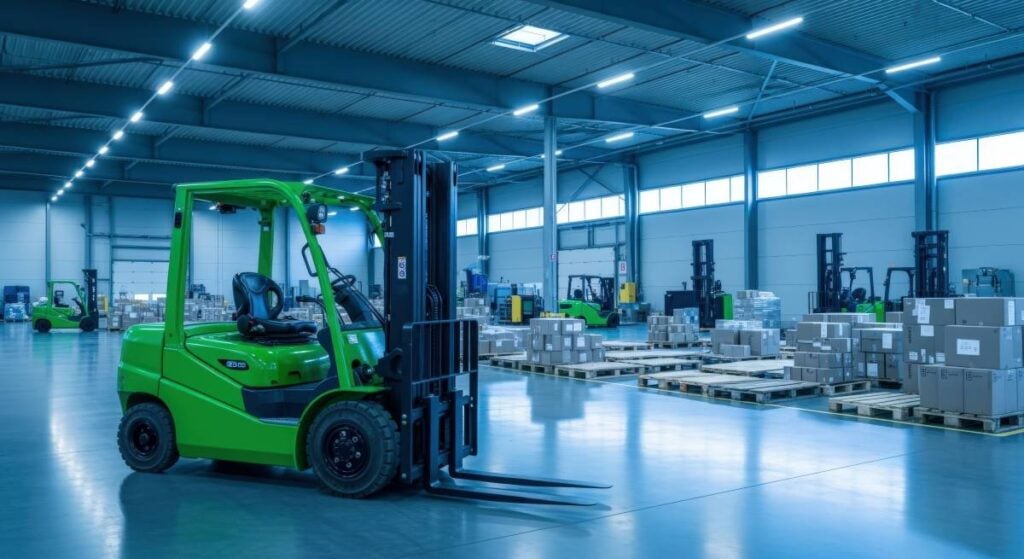
Forklift technology continues to evolve rapidly, helping businesses improve productivity while reducing costs and environmental impact.
One of the biggest developments has been the widespread adoption of lithium-ion battery technology. Faster charging, reduced maintenance requirements and improved battery lifespan are making electric forklifts increasingly attractive across a broader range of industries.
Automation is also becoming more common within modern warehouses. Autonomous Guided Vehicles (AGVs) and driverless forklifts can perform repetitive transport tasks with remarkable consistency, reducing manual handling while improving operational efficiency.
Fleet management software is another growing trend. Connected forklifts can now monitor battery health, operator usage, servicing schedules and even impact events, allowing managers to optimise fleet utilisation and plan preventative maintenance before problems occur.
As businesses continue to invest in sustainable operations, electric forklifts and emerging technologies such as hydrogen fuel cells are expected to play an increasingly important role in the future of materials handling.
Keeping Your Forklift Performing at Its Best
Regardless of which forklift you choose, regular maintenance is essential for safe and efficient operation.
Routine inspections help identify worn tyres, damaged forks, hydraulic leaks and battery or engine issues before they develop into costly repairs. Daily pre-use checks carried out by trained operators should form part of every workplace safety routine.
Scheduled servicing by qualified engineers not only extends the life of the equipment but also helps maintain reliability, minimise downtime and ensure compliance with health and safety regulations.
Investing in preventative maintenance almost always costs less than dealing with unexpected breakdowns and production delays.
Final Thoughts
Choosing the right forklift is about finding the best fit for your operation—not simply selecting the cheapest option or the model with the highest lifting capacity.
By carefully considering your working environment, load requirements, operating hours, warehouse layout and long-term business goals, you can invest in equipment that delivers reliable performance for years to come.
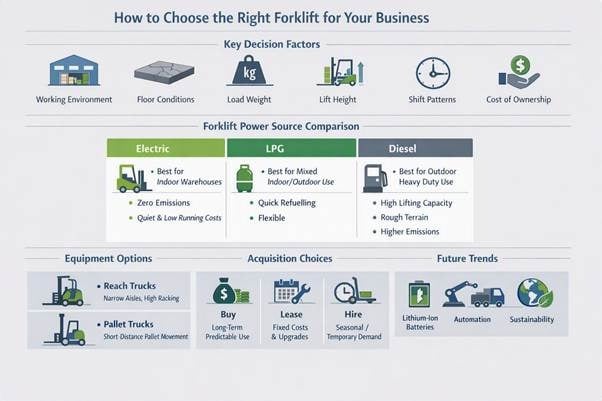
Electric forklifts continue to lead the way for indoor operations thanks to their low running costs, quiet operation and zero emissions. LPG trucks offer outstanding flexibility for mixed-use environments, while diesel forklifts remain the go-to solution for demanding outdoor applications and heavy lifting.
Whether you’re purchasing your first forklift or expanding an existing fleet, taking a strategic approach will improve productivity, reduce operating costs and create a safer, more efficient workplace.
Electric vs LPG vs Diesel Forklifts: Which Is Best?
Choosing the right power source is one of the biggest decisions when investing in a forklift. Each option has its strengths, and the right choice depends entirely on your operating environment, workload and long-term running costs.
| Feature | Electric | LPG | Diesel |
| Best for | Indoor warehouses | Mixed indoor/outdoor use | Outdoor and heavy-duty applications |
| Emissions | None | Low | Highest |
| Noise | Very quiet | Moderate | Loudest |
| Refuelling/Charging | Battery charging | Minutes | Minutes |
| Running Costs | Lowest | Medium | Higher fuel costs |
| Maintenance | Low | Medium | Highest |
| Rough Terrain | Limited | Excellent | Excellent |
| Multi-Shift Working | Excellent with lithium-ion | Excellent | Excellent |
| Typical Lift Capacity | Up to 5 tonnes | Up to 10 tonnes | Up to 10+ tonnes |
Rather than asking which forklift is “best”, businesses should ask which forklift is best suited to their specific operation. The ideal solution balances productivity, operator safety, energy costs and long-term reliability.
10 Questions to Ask Before Buying a Forklift
Before purchasing or hiring a forklift, ask yourself the following questions:
- Will the truck be used indoors, outdoors or both?
- What is the heaviest load it will need to lift?
- What is the maximum lift height required?
- How many hours will it operate each day?
- How wide are your warehouse aisles?
- Do your floors include uneven or rough surfaces?
- How many operators will use the truck?
- Would renting or leasing provide greater flexibility?
- Could your operation expand over the next five years?
- What are your maintenance and servicing requirements?
Answering these questions before choosing equipment helps ensure you invest in a forklift that continues to meet your needs as your business grows.
Common Mistakes When Choosing a Forklift
Many businesses unintentionally increase costs by selecting equipment based solely on price. Some of the most common mistakes include:
- Buying a truck with insufficient lifting capacity.
- Choosing diesel equipment for predominantly indoor use.
- Underestimating battery charging requirements.
- Ignoring aisle widths and turning circles.
- Failing to consider future business growth.
- Looking only at purchase price instead of total cost of ownership.
- Not arranging regular servicing and preventative maintenance.
Taking the time to assess your operational requirements properly can prevent costly mistakes and maximise the lifespan of your equipment.
Emerging Trends in Materials Handling
The materials handling industry continues to evolve rapidly, with new technologies helping businesses improve productivity, reduce operating costs and meet sustainability goals.
Lithium-Ion Batteries
Lithium-ion technology is becoming the preferred choice for electric forklifts due to faster charging, longer battery life and reduced maintenance requirements. Opportunity charging allows operators to recharge batteries during breaks, reducing downtime and improving fleet utilisation.
Automation
Autonomous Guided Vehicles (AGVs) and automated forklifts are increasingly being adopted in warehouses with repetitive workflows. These systems improve consistency, reduce manual handling and help businesses operate more efficiently around the clock.
Fleet Management Systems
Modern forklifts can now transmit real-time data on utilisation, impacts, battery health and servicing schedules. Fleet management software enables businesses to monitor performance, improve maintenance planning and optimise equipment usage.
Sustainability
Many organisations are replacing older diesel fleets with electric alternatives to reduce emissions and support environmental targets. As charging infrastructure continues to improve, electric forklifts are becoming increasingly viable across a wider range of industries.
Frequently Asked Questions
What type of forklift is best for warehouses?
Electric forklifts are generally the preferred choice for warehouse environments because they produce zero emissions, operate quietly and have lower running costs than internal combustion models.
Can LPG forklifts be used indoors?
Yes, but only in well-ventilated areas and for limited periods. For continuous indoor use, electric forklifts remain the safer and more environmentally friendly option.
How long does a forklift battery last?
A traditional lead-acid battery typically lasts around five years with proper maintenance, while lithium-ion batteries can often last significantly longer and require much less maintenance.
Should I buy, lease or hire a forklift?
This depends on your operational needs. Purchasing is often the most cost-effective option for long-term use, leasing offers predictable monthly costs without a large upfront investment, and hiring is ideal for seasonal demand or short-term projects.
How often should forklifts be serviced?
Servicing intervals vary depending on manufacturer recommendations and usage, but regular preventative maintenance is essential to maximise safety, reliability and equipment lifespan.
What forklift capacity do I need?
Always choose a forklift based on the heaviest load you expect to lift, while allowing a suitable safety margin and considering the maximum lift height required.
Conclusion
Choosing the right forklift is about far more than selecting a machine with the right lifting capacity. Every aspect of your operation—from warehouse layout and floor conditions to shift patterns and future business growth—should influence your decision.
Modern electric forklifts continue to transform warehouse operations thanks to lower running costs, reduced maintenance and zero-emission performance, while LPG and diesel models remain invaluable for demanding outdoor environments and heavy-duty applications. Advances in lithium-ion batteries, fleet management technology and automation are also reshaping the future of materials handling, giving businesses greater flexibility and improved efficiency than ever before.
By taking the time to assess your operational requirements and considering the total cost of ownership rather than simply the purchase price, you can invest in equipment that delivers long-term value, improves productivity and supports a safer working environment.
Whether you’re buying your first forklift, upgrading an ageing fleet or expanding your operation, choosing the right truck today will help ensure your business remains efficient, competitive and prepared for the future.