On this page
- Materials Handling for Farming
- Counterbalance Forklifts for Farm and Food Production Sites
- Hyundai Forklifts for Agricultural Outdoors Work
- Telehandlers for Farming
- Other Equipment Options
- How to choose the right agricultural forklift or telehandler
- Support
- Why are telehandlers valuable to farms?
- Farm Examples
- How to get started
- Summary Table
Farms and agricultural businesses must move a variety of awkward, heavy and time-sensitive items every day, from feed, hay, grain and silage to fencing, machinery spares, fertiliser, produce trays and building materials. Given the challenges of working on uneven surfaces of mud, gravel, gradients, yards, barns and the outdoors, agricultural sites require materials handling equipment that can do more than simply lift a load. They need to help achieve overall productivity and cost efficiency in the demanding conditions of a farm environment.
Acclaim Handling supply, hire, service and support a wide range of forklifts and materials handling equipment to farms, estates, contractors and food processors throughout the UK. Established in 1982 and with eight regional depots, Acclaim Handling are authorised dealers and distributors for STILL, Hyundai and Lonking. As a result, they can offer new, used and hire equipment, supported by local service and maintenance, statutory inspections, spares and operator training.
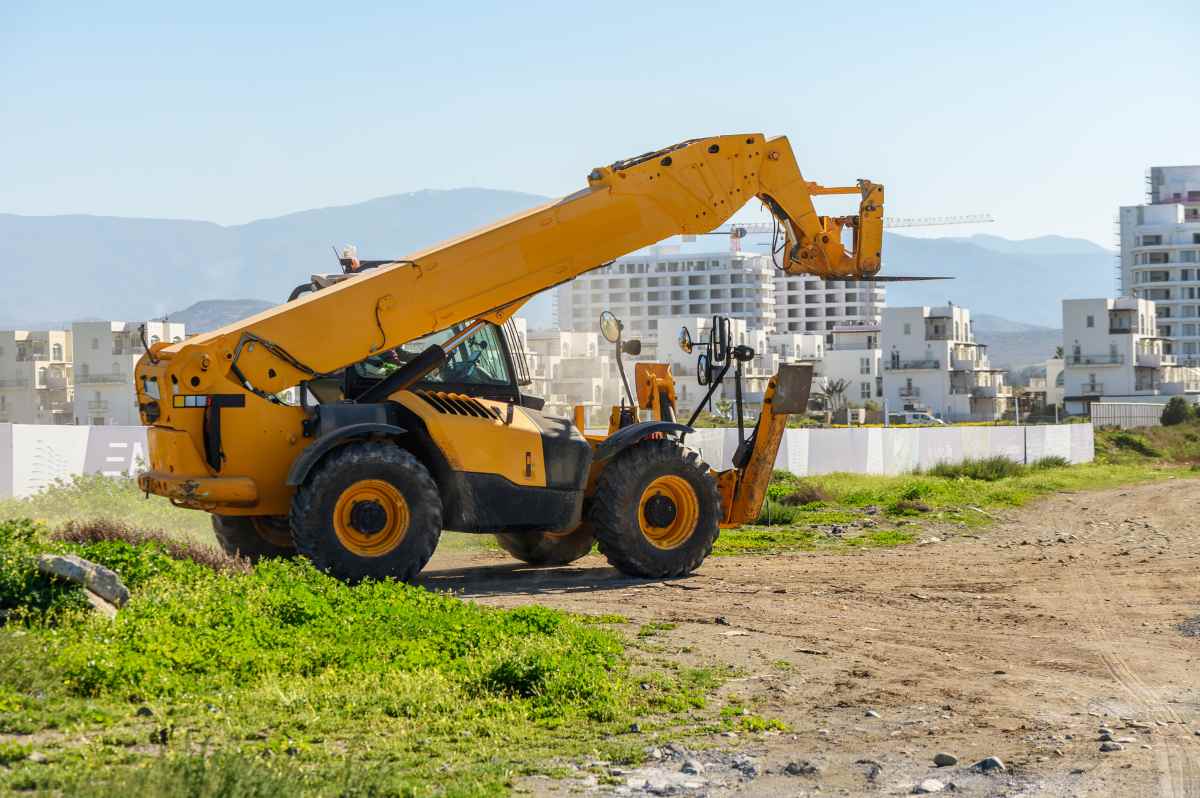
Materials Handling for Farming
Agricultural uses present very different challenges to standard warehouse applications. Materials handling equipment may need to negotiate rough terrain, be used in muddy or dusty conditions, carry out loading and unloading, navigate through livestock buildings or work within confined spaces. Choosing the right equipment will depend on factors such as the weight, size and nature of the load, lifting height, ground conditions, power source, and available working space.
- Rough or uneven ground such as yards, tracks, fields and gravel may require specialist tyres, ground clearance, 4-wheel drive or a telehandler.
- Heavy or unwieldy loads including bales, grain, feed, fertiliser, produce, bins and fencing may need appropriate capacity, attachments or stability.
- Working in enclosed or delicate environments such as packing houses or animal housing may benefit from the reduced emissions of electric forklifts.
- Areas with restricted access to working areas such as in barns or stores may be helped by a more compact machine such as an articulated forklift or telehandler.
While standard counterbalance forklifts can be useful on smooth and firm surfaces, farms and agricultural businesses will benefit from a varied fleet to cope with the range of tasks. Diesel or LPG powered forklifts can be used for more demanding outdoor work while electric forklifts are often ideally suited to indoor use. An articulated forklift can be used for maximum space-saving while a telehandler combines the lifting height and reach of a cherry-picker with the lifting capacity and ground clearance of a forklift. The most suitable equipment will depend on whether the priority is yard work, indoor storage, working space or year-round outdoor use.
The following sections will discuss the different types of equipment suitable for different agricultural applications.
Counterbalance Forklifts for Farm and Food Production Sites
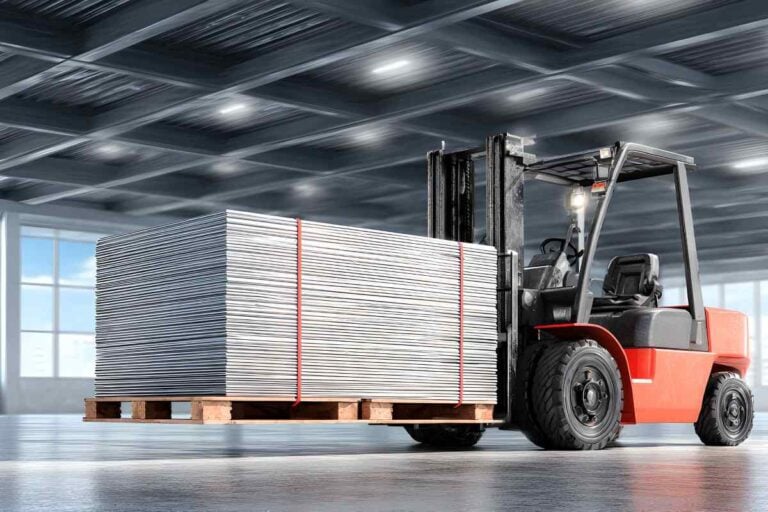
STILL is a well-established materials handling manufacturer, and Acclaim Handling are appointed as an exclusive UK distributor by STILL UK. The STILL RX range of counterbalance forklifts offer a choice of electric, diesel and LPG power for agricultural applications. While the RX 70 diesel and LPG forklifts are designed to meet the demands of challenging environments, STILL electric forklifts can be used in more delicate indoor environments such as food production and storage.
Agricultural businesses can choose between a STILL diesel or LPG forklift to move heavy or large items such as bales, palletised feed or fertiliser, and to carry out general yard work or vehicle loading and unloading. An electric STILL forklift would be ideally suited to enclosed spaces and is essential for use in environmentally-sensitive areas such as cold stores and animal housing. For electric forklifts, lithium-ion batteries can offer an improved charging option which enable more charges during the working day, supporting business-critical operations.
Hyundai Forklifts for Agricultural Outdoors Work
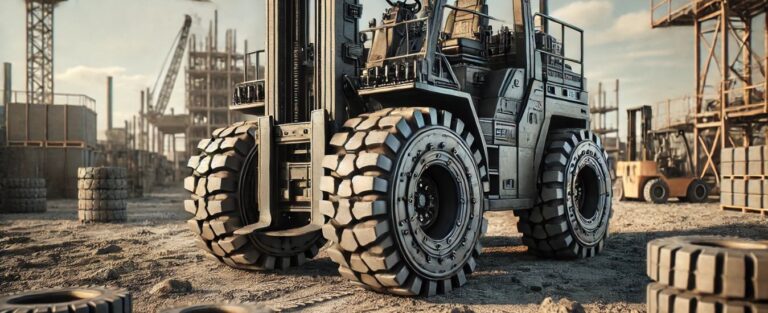
Hyundai Material Handling UK has appointed Acclaim Handling as its official UK dealer, and Acclaim can supply, service and support a range of Hyundai forklifts. As a result of their focus on outdoor operations, Hyundai forklifts are popular with farmers and agricultural organisations that require diesel or LPG power in an economical but sturdy machine for general use. Forklifts can be bought or hired, and Acclaim also offer service and maintenance, repairs, parts, attachments, operator training and fleet management.
Hyundai diesel forklifts can be used for a range of agricultural applications, including palletised loads around the yard, general vehicle loading and unloading, and work in farm stores and animal housing. These include:
- Outdoor use for yards and farms and on rough ground.
- Operator-friendly features such as excellent visibility, driver comfort and simple controls.
- Dealer support for service, repairs, inspections, parts and operator training.
Telehandlers for Farming
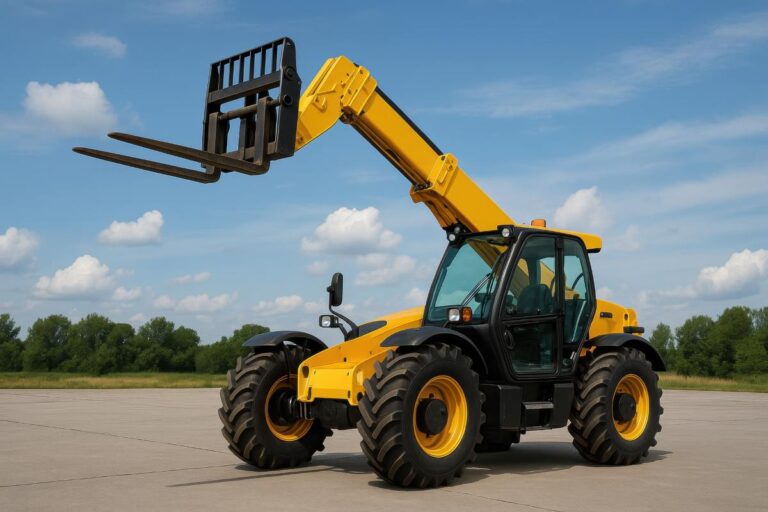
Lonking offers a range of telehandlers and forklifts ideal for farms and agricultural businesses, and Acclaim Handling can supply new, used and hire equipment. Acclaim Handling are an exclusive UK dealer and distributor for Lonking, still and Hyundai. As a result, Acclaim can offer competitive options for farms that need to carry out a range of outdoor tasks with a single machine. Published specifications for the Lonking LGT4207 telehandler suggest a 4,200 kg lift capacity and a 6.99 m maximum height. The telehandler also has 4-wheel drive and 4-wheel steer, plus full hydraulic wet brakes and a choice of diesel engines that meet EU Stage V / Tier 4F emissions standards.
By providing forward reach as well as vertical lift, a telehandler can be used for a range of loading and unloading applications. This can include the loading and unloading of trailers, the stacking of bales, and the placing of materials at height around the farm or in a yard. Additional attachments such as bale clamps, forks, buckets and jibs can also be fitted to carry out a range of tasks. The ability of the telehandler to work on uneven ground means it can be used around barns, in yards, and in other areas where a standard forklift cannot reach. Finally, the telehandler can be used throughout the year, supporting a range of tasks such as harvesting, crop production and bale-making in the summer, and feeding, bedding and maintenance in the winter.
Other Equipment Options
Depending on the requirements of the farm or agricultural business, other materials handling equipment may be more appropriate. For example, Aisle Master articulated forklifts can be used to achieve a higher degree of pallet racking than is possible with standard counterbalance forklifts, thereby saving space in a warehouse or store. By contrast, EP equipment can supply electric pallet trucks, stackers and counterbalance forklifts that are ideally suited to indoor use. Used JCB telehandlers may also be worth considering for farms or agricultural businesses that need the reach and height of a telehandler, but with a more competitive price.
- Aisle Master articulated forklifts for increased storage density in pallet racking, stores and packhouses.
- EP Equipment electric trucks for improved indoor, warehouse or packhouse performance.
- Used JCB telehandlers for outdoor use, with the ability to carry out a range of tasks.
- Kalmar, Hyster, Doosan/Bobcat and other equipment for larger, more specialist or used equipment.
As Acclaim Handling can supply new, used and hire equipment, the choice can be made based on the requirement rather than the machine. This is particularly important in a farm environment, where a range of different materials handling equipment may be needed.
How to choose the right agricultural forklift or telehandler
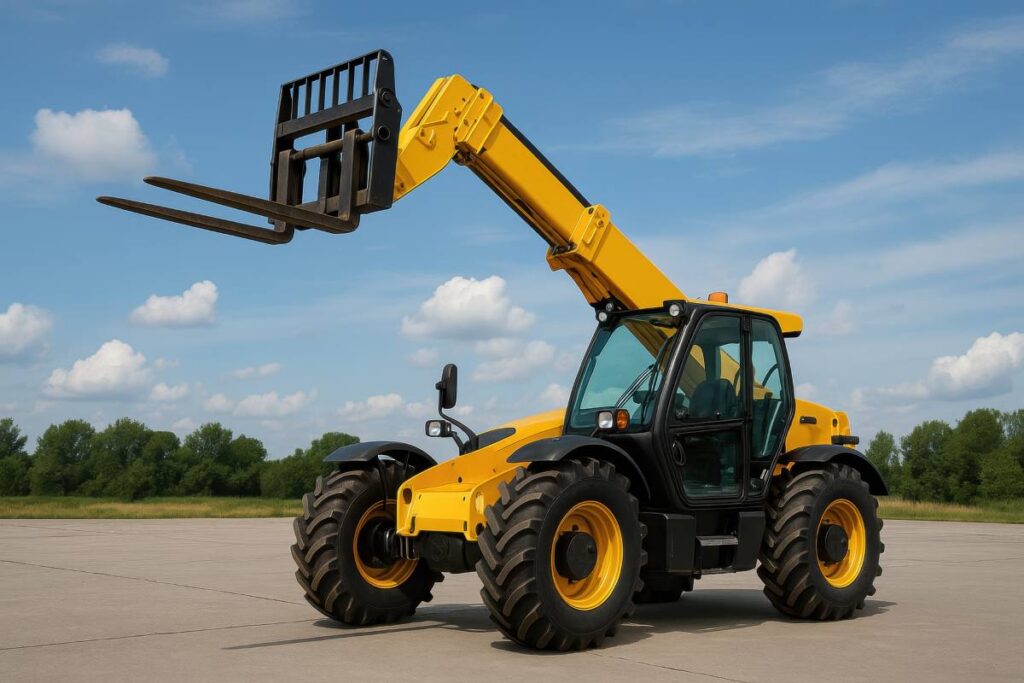
A telehandler can be a valuable addition to any farm or agricultural business. The next step is to decide what the machine will be used for and choose the telehandler that best meets the requirements. Farms should think about the heaviest load, the largest size or height of a load, the surface conditions, the amount of indoor or outdoor work and how much the telehandler will be used. Other factors may also be important, such as any attachments that may be needed, visibility, turning space, service and spares, and overall cost efficiency.
- Load and lift height: The capacity and height of the telehandler should be chosen to suit the anticipated load (including attachments) and working environment.
- Ground conditions: A telehandler may be needed on rough or uneven ground, or to work over obstacles.
- Power: Diesel engines provide excellent performance while LPG can offer improved flexibility and safety, and electric machines are ideally suited to indoor work.
- Working space: Turning space, aisle widths and access to storage can all dictate the size and type of telehandler.
- Ownership: New, used and hire options should be compared to suit the business requirement.
Support
Acclaim’s nationwide support network ensures that telehandlers and other equipment are maintained to a high standard. With depots in Essex, Norwich, Rugby, Liverpool, Portsmouth, Spalding, Reading and Kent, Acclaim offer forklift hire, new and used forklifts, service and repairs, LOLER inspections, parts, operator training and fleet management.
Why are telehandlers valuable to farms?
Telehandlers can offer exceptional value to farms and agricultural businesses. In particular, telehandlers can offer excellent flexibility by being able to carry out a range of tasks. This can include the loading and unloading of trailers, the stacking of bales, and the placing of materials at height around the farm or in a yard. Additional attachments such as bale clamps, forks, buckets and jibs can also be fitted to carry out a range of tasks. The ability of the telehandler to work on uneven ground means it can be used around barns, in yards, and in other areas where a standard forklift cannot reach.
Finally, the telehandler can be used throughout the year, supporting a range of tasks such as harvesting, crop production and bale-making in the summer, and feeding, bedding and maintenance in the winter.
The main benefit of a telehandler is utilisation. By being able to carry out a variety of tasks, a single telehandler can replace several different types of equipment. This not only reduces costs but also requires less space for storage and reduces the need for multiple operators. As well as being able to carry out a range of tasks, a telehandler can also be used throughout the year. This compares favourably to a forklift that is only used indoors, or a telescopic handler that is normally used outdoors.
- Efficiency: The forward reach of a telehandler reduces the need to re-position the machine when placing or removing a load.
- Safety: Improved visibility, stability and load-handling can all contribute to the safe use of a telehandler.
- Flexibility: A telehandler can be used for a range of tasks, including bale-stacking, trailer-loads, field work and general yard work.
- Productivity: The ability to work at height and use a range of attachments can help complete tasks more quickly.
Farm Examples
Arable farms: Diesel forklifts and telehandlers can be used to unload seed and fertiliser, to carry out general farm and yard work, and to load and unload trailers or other vehicles. They may also be used with sacks of grain or other products in a packing house, or to support general maintenance and repairs.
Horticultural and produce: Electric forklifts can be used in a packing house or cold store, while telehandlers can carry out a range of tasks from moving crates and pallets around the yard to loading and unloading vehicles in the field.
Livestock: Telehandlers, articulated forklifts and counterbalance trucks can be used to carry bales, bedding and feed, as well as other materials. They may also be used to improve storage and access in farm buildings and around feeding stations.
Forklifts and telehandlers are major investments, and farms and agricultural businesses should consider their overall impact on the business. In particular, it is essential to think about ongoing costs and the return on investment. Not only is there the cost of purchase or hire, but there are also costs of maintenance, servicing, inspection statutory inspections, spares, operator training and so on. On the other hand, it is also essential to consider overall efficiency and productivity, and how the materials handling equipment will support business operations. For example, Acclaim Handling note that businesses may be able to claim the cost of a forklift against the Annual Investment Allowance for Corporation Tax, but it is always essential to check with an accountant.
How to get started
Getting the right materials handling equipment for a farm or agricultural business starts with an assessment of the requirements. This should include the range of different items to be carried or stacked, the heaviest and largest item, the surface conditions at the worksite, any restrictions on space or turning, and the likely working hours per week. Acclaim Handling can then recommend the most suitable equipment, whether that be a counterbalance, articulated, electric or telehandler forklift. Diesel or LPG power can be chosen based on the requirements of the worksite, and attachments can be specified to carry out the required tasks. For a short-term requirement, Acclaim can supply a range of telehandlers, forklifts and other equipment on hire. By contrast, if a long-term requirement is anticipated, it may be more cost-effective to buy a new or used machine, or to consider contract hire.
Example: A farm that specialises in grain production and storage can use a diesel forklift to unload and stack grain sacks in the store, while a telehandler can be used to load and unload large containers. An electric forklift would be ideally suited to moving sacks around the warehouse, as well as working in cold stores and other enclosed spaces. Finally, a telehandler could also be used to stack large bales of hay in the summer and to move materials in the winter.
By focusing on the most important requirements, a range of materials handling equipment can be chosen that is suited to the requirements but offers the best value for money. The following steps can be taken to help choose the right telehandler or forklift for a specific application.
- Define the requirement: The type and size of the load, the working environment, and the likely working hours per week should all be considered.
- Choose the right machine: Different types of materials handling equipment, including counterbalance and electric, articulated or telehandler forklifts, can be compared to select the most suitable option.
- Think about attachments: The anticipated work can influence the choice of attachments, such as bale clamps, pallet forks, buckets or jibs
- Plan service and support: The provision of regular service and statutory inspections will be essential to reducing the risk of downtime
Acclaim Handling can be contacted on 01708 861 414 for advice on choosing the right materials handling equipment for a range of agricultural applications. With eight depots across the country and over forty years’ experience in materials handling, Acclaim Handling can supply, service and support a range of telehandlers, forklifts, pallet trucks, stackers and other equipment.
Summary Table
| Equipment / Option | Best suited to | Key benefits | Main considerations |
| Counterbalance forklifts | Smooth yards, firm surfaces, stores, vehicle loading and unloading. | Versatile for palletised loads, feed, fertiliser and general farm handling. | May be less suitable for rough or uneven ground without the right specification. |
| Electric forklifts | Indoor, enclosed, cold store, packhouse and animal housing environments. | Low-emission operation, suitable for sensitive environments, with lithium-ion charging options available. | Best matched to indoor or controlled-surface applications rather than heavy outdoor use. |
| Diesel / LPG forklifts | Outdoor yard work, heavier handling, farm stores and general agricultural loading. | Strong performance for demanding work and flexible outdoor use. | Power source, emissions, fuel availability and operating environment should be considered. |
| Telehandlers | Rough ground, bale stacking, trailer loading, working at height and year-round farm tasks. | Combines lift height, forward reach, ground clearance and attachment flexibility. | Capacity, lift height, turning space, attachments, service support and total cost should be assessed. |
| Articulated forklifts | Barns, stores, packhouses and pallet racking where space is restricted. | Improves manoeuvrability and storage density in confined areas. | Most effective where aisle width and indoor access are key priorities. |
| Hire, used or new equipment | Short-term seasonal needs, long-term fleet planning or budget-conscious investment. | Allows farms to match equipment choice to workload, budget and utilisation. | Compare ownership cost, maintenance, inspections, training, downtime risk and return on investment. |