On this page
- What Is a Flameproof Forklift?
- Where Might Flameproof Forklifts Be Needed?
- Why Can a Standard Forklift Be Dangerous?
- Understanding Hazardous Area Zones
- How Are Forklifts Adapted for Hazardous Areas?
- Protected Electrical Systems
- Specialist Lighting
- Modified Starting Systems
- Exhaust Protection
- Flame Traps
- Hydraulic or Pneumatic Alternatives
- What About Electric Forklifts?
- Why Operator Protection Matters
- Identification and Labelling
- Choosing the Right Flameproof Forklift
- Training and Maintenance Are Essential
- Don’t Assume One Forklift Fits Every Hazardous Area
- Working Safely Around Hazardous Materials
- Flameproof Forklifts from Acclaim Handling
- Final Thoughts
In many industries, forklifts are required to work in environments where flammable gases, vapours, liquids or combustible dusts may be present. While a standard forklift may be perfectly suitable for a conventional warehouse or distribution centre, it may not be appropriate for use where a small spark, hot surface or electrical fault could create a serious fire or explosion risk.
This is where flameproof forklifts come into play.
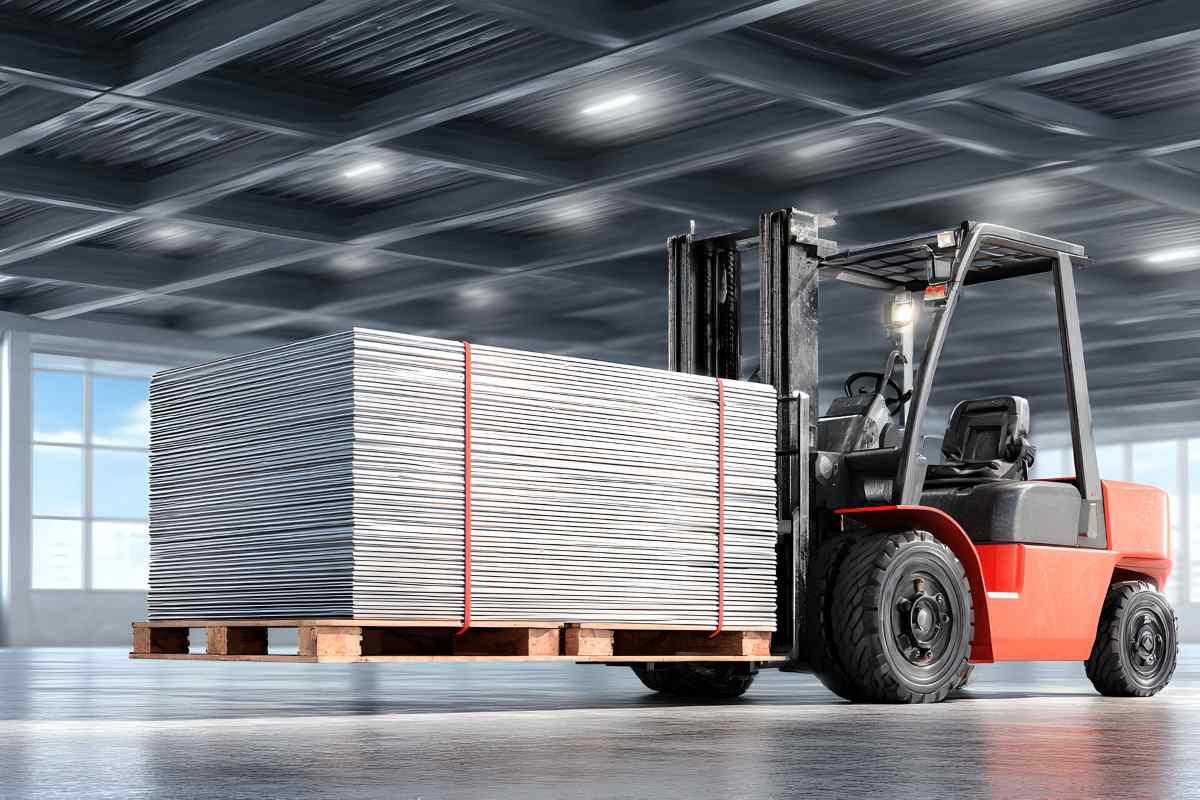
Flameproof forklifts are specially designed or modified to minimise potential sources of ignition, allowing them to be used in carefully assessed hazardous areas where conventional materials handling equipment may present an unacceptable risk.
For businesses operating in manufacturing, chemical processing, food production, energy, waste management and other specialist environments, choosing the right forklift is an important part of maintaining a safe workplace.
At Acclaim Handling, we understand that forklift requirements can vary significantly from one working environment to another. This guide explains what flameproof forklifts are, where they may be required and some of the features that can distinguish them from standard forklift trucks.
What Is a Flameproof Forklift?
A flameproof forklift is a forklift that has been specially designed, manufactured or modified to reduce the possibility of the truck becoming a source of ignition in a hazardous working environment.
The term “flameproof” is commonly used when discussing specialist equipment for potentially explosive atmospheres. However, it is important to understand that the precise specification required depends on the hazards present, the classification of the area and the applicable regulations and standards.
A conventional forklift can contain numerous potential ignition sources. These may include electrical components, batteries, switches, motors, exhaust systems, hot surfaces, brakes and other mechanical components.
A suitably specified hazardous-area forklift addresses these risks through carefully selected components and engineering controls.
The objective is not simply to make the forklift “fireproof”. Instead, the equipment is configured to prevent the forklift from providing an ignition source where flammable substances or combustible dust could be present.
This makes correct assessment and specification essential. A forklift should never be assumed to be suitable for a hazardous area simply because it has been described as flameproof or modified for specialist use.
Where Might Flameproof Forklifts Be Needed?
Hazardous areas can be found across a wide range of industries.
The risks can come from gases, vapours, liquids or dusts. In some workplaces, these substances may only be present during particular stages of production, while in others they may form part of the normal operating environment.
Examples can include:
- Manufacturing facilities handling flammable chemicals
- Paint and coating production areas
- Chemical processing plants
- Fuel storage and distribution facilities
- Areas where LPG or other flammable gases are handled
- Waste and recycling facilities
- Food processing and grain-handling operations
- Timber and woodworking environments where combustible dust may accumulate
- Pharmaceutical manufacturing
- Certain wastewater and sewage treatment environments
- Industrial facilities where flammable liquids or gases are dispensed
For example, fine combustible dust can create a significant hazard because suspended particles may ignite under the right conditions. Similarly, gases and vapours can form an explosive atmosphere when mixed with air at particular concentrations.
The exact risk depends on the substance, concentration, likelihood of release and ventilation within the area.
Why Can a Standard Forklift Be Dangerous?
A forklift may appear relatively simple from the outside, but it contains numerous systems capable of producing heat, sparks or other forms of ignition.
On a standard forklift, potential ignition sources could include:
- Electrical switches and connections
- Starter motors
- Alternators
- Lighting systems
- Battery connections
- Exhaust components
- Hot engine surfaces
- Mechanical components
- Static electricity
- Braking systems
- Electrical relays and other components
In an ordinary warehouse, these risks are generally managed through standard forklift design, maintenance and workplace controls.
A potentially explosive atmosphere changes the situation.
If a flammable gas, vapour or combustible dust is present, an ignition source could potentially result in a fire or explosion. This is why businesses operating in hazardous environments need to assess their equipment carefully and ensure it is appropriate for the specific area.
Understanding Hazardous Area Zones
Before selecting a specialist forklift, the hazardous area itself needs to be properly assessed.
Hazardous areas are classified according to the type of potentially explosive material involved and the likelihood and duration of an explosive atmosphere being present.
For gases and vapours, areas are generally classified as Zones 0, 1 and 2.
For combustible dust, the equivalent classifications are Zones 20, 21 and 22.
Zone 0
A Zone 0 area is one where an explosive gas, vapour or mist atmosphere is present continuously, for long periods or frequently.
This represents an extremely high-risk environment and requires equipment specifically assessed and certified for the conditions involved.
Zone 1
A Zone 1 area is one where an explosive gas, vapour or mist atmosphere is likely to occur during normal operation.
This could occur in areas where flammable materials are routinely processed, transferred or handled.
Zone 2
A Zone 2 area is one where an explosive gas, vapour or mist atmosphere is not expected to occur during normal operation but could occur occasionally and, if it does, would generally only remain present for a short period.
Zone 20
Zone 20 applies to combustible dust atmospheres. It describes an area where a cloud of combustible dust is present continuously, for long periods or frequently.
Zone 21
Zone 21 is an area where a combustible dust atmosphere is likely to occur occasionally during normal operation.
Zone 22
Zone 22 describes an area where a combustible dust atmosphere is not likely to occur during normal operation but could occur occasionally and remain present for a short period.
These classifications are important because the forklift specification needs to correspond to the risks associated with the area in which it will operate.
A business should therefore establish the hazardous-area classification before selecting its forklift rather than attempting to adapt a machine to an environment after purchase.
How Are Forklifts Adapted for Hazardous Areas?
There is no single modification that makes a forklift suitable for every hazardous environment.
The exact configuration depends on factors including the forklift’s power source, the hazardous substance involved, the zone classification and the operating conditions.
Specialist engineering can be used to address potential ignition sources throughout the truck.
Some of the modifications and design features associated with hazardous-area forklifts can include the following.
Protected Electrical Systems
Electrical equipment can be a potential ignition source, particularly where sparks or high temperatures could occur.
Specialist forklifts may therefore use protected, enclosed or intrinsically safe electrical components designed to minimise the possibility of ignition.
This can include modifications to switches, wiring, lighting, control systems and other electrical equipment.
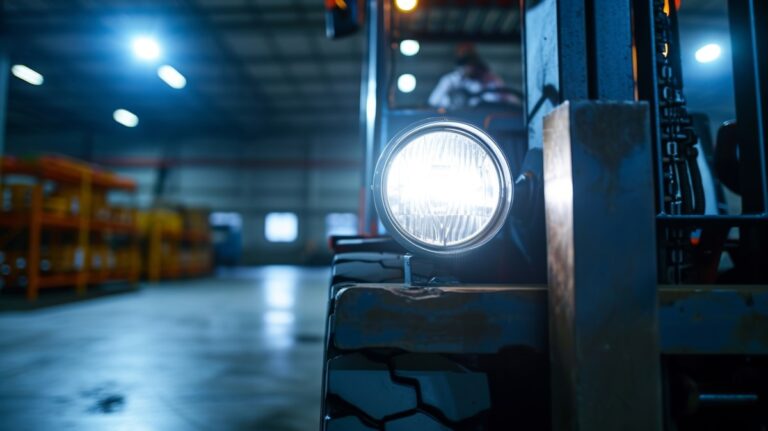
Specialist Lighting
Standard forklift lights may not be suitable for a hazardous area.
Where lighting is required, specialist equipment can be fitted that is appropriately protected for the conditions in which the forklift will operate.
This helps reduce the possibility of the lighting system becoming an ignition source.
Modified Starting Systems
On some internal-combustion forklifts, the standard electrical starting system may require modification.
Depending on the specification, alternatives such as specialist protected electrical starting equipment or pneumatic starting systems may be used.
The objective is to eliminate or control potential ignition sources associated with the original starting system.
Exhaust Protection
Internal-combustion forklifts can present additional challenges because engines generate heat and exhaust gases.
For appropriately specified diesel hazardous-area forklifts, specialist exhaust treatment and protection systems may be incorporated to reduce ignition risks.
Depending on the application, systems can be used to cool or treat exhaust gases and prevent sparks or flames from escaping.
Flame Traps
Specialist flame-trapping systems may also be used on certain internal-combustion forklifts.
A flame trap can help prevent combustion or backfire from travelling through the intake or exhaust system and creating an external ignition source.
Again, the precise equipment required depends on the forklift and hazardous-area application.
Hydraulic or Pneumatic Alternatives
Some components found on conventional forklifts may need to be replaced or redesigned to reduce ignition risks.
For example, specialist hydraulic or pneumatic systems can sometimes be used in place of electrical mechanisms where appropriate.
This is another reason why hazardous-area forklift conversions should only be undertaken by suitably qualified specialists using equipment designed for the intended application.
What About Electric Forklifts?
Electric forklifts can be particularly useful in certain hazardous environments because they do not have an internal-combustion engine producing exhaust gases.
However, this does not mean that every electric forklift is automatically suitable for hazardous areas.
Electric forklifts still contain batteries, motors, switches, electrical connections and other components that can potentially produce sparks or heat.
Consequently, an electric forklift intended for a hazardous environment may require specialist protection and certification appropriate to the particular zone and hazard.
The correct choice therefore depends on the individual application rather than simply whether the truck is electric or diesel.
Why Operator Protection Matters
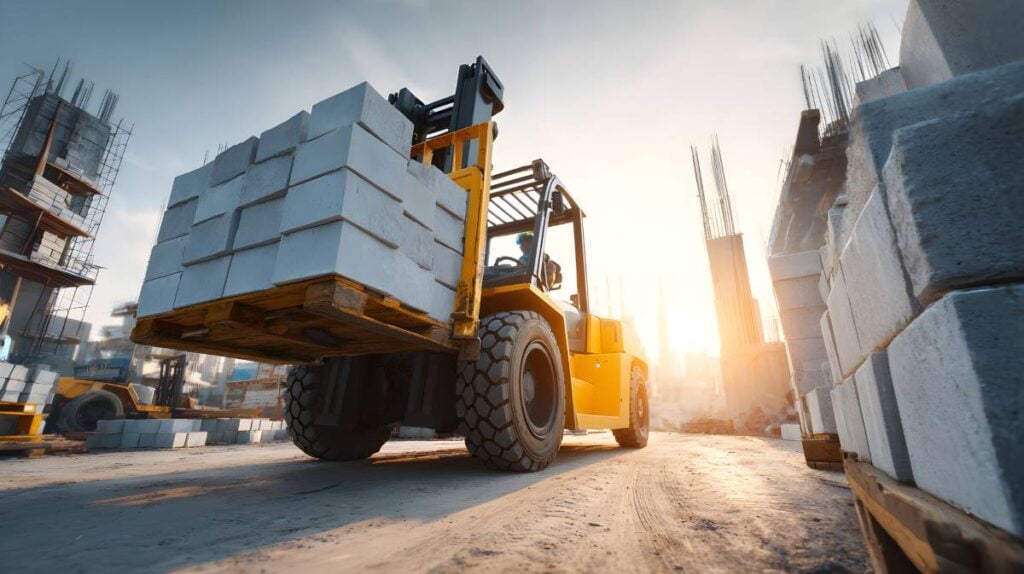
The forklift itself is only one part of hazardous-area safety.
Operators also need to be protected from the materials and substances present within their working environment.
Depending on the application, a specialist forklift may be configured with additional protection around the operator compartment.
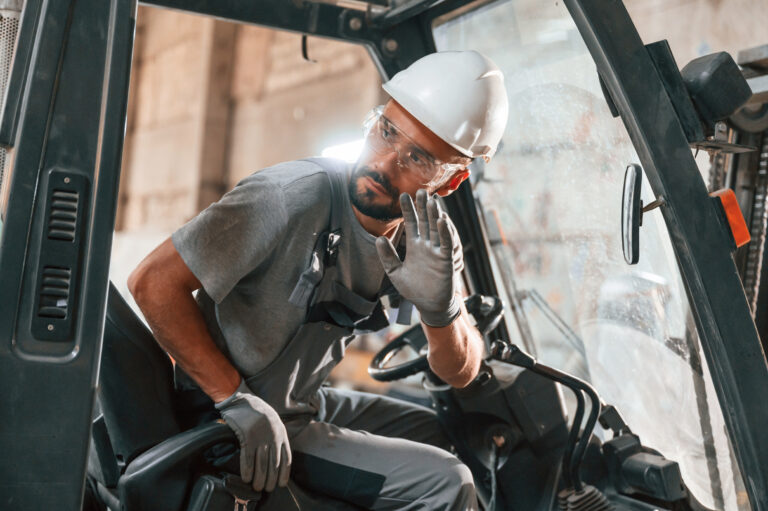
For example, an enclosed cab can provide an additional barrier between the operator and hazardous dust or materials.
The specification of the cab, ventilation and filtration systems should be considered alongside the wider workplace risk assessment.
It is also essential that operators receive appropriate training for both the forklift and the environment in which they are working.
A highly specialised forklift cannot compensate for poor operating practices.
Identification and Labelling
A suitably configured hazardous-area forklift should be clearly identifiable so that operators and site personnel understand where it can safely be used.
Specialist identification labels and markings can communicate important information about the truck’s intended application and hazardous-area classification.
This is particularly important for businesses operating multiple forklifts across different areas of a site.
A truck that is suitable for one area may not necessarily be suitable for another area with a different classification.
Clear identification helps reduce the risk of equipment being moved into an environment for which it has not been specified.
Choosing the Right Flameproof Forklift
Selecting a hazardous-area forklift should begin with the environment, rather than the forklift itself.
Before choosing a machine, businesses should consider questions such as:
- What hazardous substances are present?
- Are the hazards gases, vapours, liquids or combustible dust?
- What is the hazardous-area classification?
- How frequently could an explosive atmosphere occur?
- What type of forklift is required for the application?
- What lifting capacity and mast configuration are needed?
- What operating hours will the forklift be expected to handle?
- Is the forklift required indoors, outdoors or in both environments?
- What operator protection is required?
- What certification and documentation is required?
It is also important to consider the normal forklift requirements alongside the hazardous-area requirements.
There is little benefit in specifying a forklift that meets the hazardous-area classification but cannot safely or efficiently perform the required lifting duties.
Capacity, lift height, attachments, turning radius, floor conditions, charging or refuelling requirements and operating environment all remain important considerations.
Training and Maintenance Are Essential
Specialist forklift equipment requires the same commitment to safe operation and maintenance as any other forklift – and potentially even greater attention because of the environment in which it operates.
Operators should be appropriately trained and understand:
- The limitations of the forklift
- Where the forklift is permitted to operate
- The site’s hazardous-area classifications
- The meaning of relevant identification markings
- Pre-use inspection requirements
- Safe operating procedures
- Emergency procedures
- The risks associated with the materials being handled
Maintenance is equally important.
A modification or protective system that becomes damaged, worn or incorrectly maintained could affect the forklift’s suitability for its intended environment.
Regular inspections and servicing should therefore form part of the site’s overall safety management system.
Don’t Assume One Forklift Fits Every Hazardous Area
One of the most important points to remember is that hazardous-area forklifts are not a universal solution.
A forklift designed for one hazardous environment may not be appropriate for another.
The classification of the area, the substance involved and the likelihood of an explosive atmosphere all influence the equipment specification.
For this reason, businesses should avoid relying on generic descriptions such as “flameproof forklift” when assessing suitability.
Instead, the complete specification, certification, documentation and intended operating conditions should be considered.
Working Safely Around Hazardous Materials
Forklifts play an important role in moving raw materials, finished products, containers and equipment across industrial sites. In hazardous environments, however, material handling needs to be approached with additional care.
The right forklift can form an important part of a site’s overall risk-control measures, helping businesses reduce the potential for equipment to become an ignition source.
But forklift selection should always sit alongside appropriate workplace controls, risk assessments, operator training, maintenance and emergency procedures.
Flameproof Forklifts from Acclaim Handling
If your business operates in an environment where flammable gases, vapours or combustible dust may be present, selecting the correct materials handling equipment is critical.
At Acclaim Handling, we can help businesses assess their forklift requirements and identify equipment suitable for their specific operating environment.
Whether you need a forklift for manufacturing, warehousing, production, chemical handling or another specialist application, our team can help you understand the options available and ensure that the machine specification matches your operational requirements.
If you’re unsure whether your current forklift is suitable for a hazardous area, speak to Acclaim Handling before putting the machine into operation. Our team can discuss your application, lifting requirements and working environment to help you find an appropriate solution.
Final Thoughts
Flameproof and hazardous-area forklifts are specialist pieces of materials handling equipment designed to reduce ignition risks in environments where flammable gases, vapours or combustible dust may be present.
Unlike a conventional forklift, a specialist machine may incorporate protected electrical components, modified starting systems, exhaust protection, flame traps, specialist lighting and other features designed around the hazards of the operating environment.
However, there is no one-size-fits-all approach.
The correct forklift depends on the hazard, zone classification, operating conditions and specific requirements of the site. Proper specification, installation, certification, maintenance and operator training are all essential.
For businesses working in potentially explosive or hazardous environments, investing in the right forklift is not simply about improving productivity. It is an important part of creating a safer workplace and ensuring materials can be moved efficiently without introducing unnecessary risks.
Need advice on forklift equipment for a hazardous environment? Contact Acclaim Handling to discuss your requirements.
| Topic | Key Information |
| What is a flameproof forklift? | A specialist forklift designed or modified to minimise potential sources of ignition when operating in hazardous environments. |
| Where are they used? | Manufacturing, chemical processing, fuel handling, waste management, food production, pharmaceutical and other environments where flammable gases, vapours or combustible dust may be present. |
| Gas & vapour zones | Zone 0: Explosive atmosphere present continuously or frequently. Zone 1: Likely to occur during normal operation. Zone 2: Unlikely during normal operation and short-lived if it occurs. |
| Combustible dust zones | Zone 20: Dust atmosphere present continuously or frequently. Zone 21: Likely to occur occasionally during normal operation. Zone 22: Unlikely during normal operation but possible for short periods. |
| Potential ignition sources | Electrical components, switches, batteries, motors, exhaust systems, hot surfaces, braking systems and other mechanical or electrical components. |
| How are forklifts adapted? | Depending on the application, modifications can include protected electrical systems, specialist lighting, modified starting systems, exhaust protection, flame traps and alternative hydraulic or pneumatic components. |
| Electric forklifts | Electric forklifts can be suitable for some hazardous applications but still require appropriate protection for batteries, motors, electrical connections and other potential ignition sources. |
| Diesel forklifts | Diesel forklifts may be specially modified with systems such as exhaust protection, flame traps and protected electrical components to reduce ignition risks. |
| Operator protection | Specialist cabs, enclosures and other protective features may be used to help protect operators from hazardous dust, gases or materials, depending on the application. |
| Identification & certification | Hazardous-area forklifts should have appropriate identification and documentation showing the environments and zones for which they are designed and approved. |
| Training & maintenance | Operators require appropriate training, while regular inspections and maintenance are essential to ensure specialist safety systems remain effective. |
| Choosing the right forklift | The correct forklift depends on the hazardous substance, zone classification, lifting requirements, operating conditions and specific risks present on site. |
| Important consideration | A forklift suitable for one hazardous area may not be suitable for another. Always ensure the machine specification matches the specific requirements of the environment. |
| Acclaim Handling | Acclaim Handling can help businesses assess their forklift requirements and identify suitable materials handling solutions for specialist operating environments. |