On this page
- Why cheap forklifts can become expensive
- The purchase price is only the start
- Breakdowns can quickly drain savings
- Repair bills can rise faster than expected
- Poor parts availability adds extra pressure
- Maintenance can become more frequent
- Safety issues can cost more than repairs
- Operator comfort affects productivity too
- Fuel and energy costs still matter
- Cheap forklifts may not last as long
- Resale value is often weaker
- A better approach is total cost thinking
- Smarter alternatives to the cheapest option
- Final thoughts
A cheap forklift can look like a smart buy at first. If the price is much lower than other trucks on the market, it is easy to think you are saving money.
But the purchase price is only one part of the story. Over time, a cheap forklift can cost far more than expected through breakdowns, repairs, lost working time, poor safety performance, and early replacement.
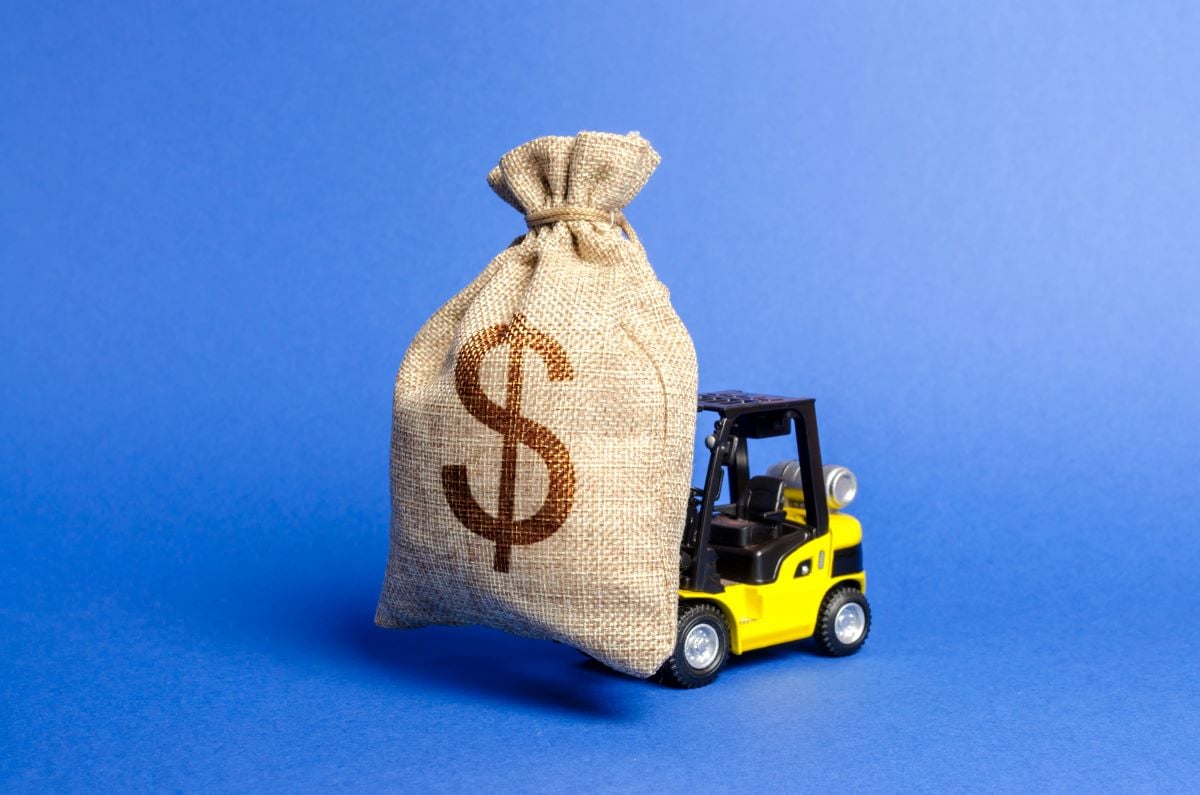
That is why businesses should look beyond the sticker price. The real question is not only what the forklift costs today. It is what it will cost over the years you rely on it.
Why cheap forklifts can become expensive
A low price usually means something has been cut back.
That may include:
- Lower-quality components
- Fewer safety features
- Older technology
- Weaker build quality
- Less dealer support
- Poorer parts availability
At first, those weaknesses may not be obvious. The truck may look fine and seem to do the job. But once it is used every day, the difference often becomes much clearer.
A forklift is not only a product. It is a working asset. If it is unreliable, the whole operation feels the effect.
The purchase price is only the start
Many buyers focus on the upfront cost because it is the easiest number to compare.
That makes sense, but it can also be misleading. A forklift that costs less to buy may cost much more to run.
The full cost usually includes:
- Routine servicing
- Repairs
- Energy or fuel use
- Operator training
- Insurance
- Compliance checks
- Downtime when the truck is unavailable
- The cost of replacing it sooner than expected
This is why businesses need to think about the average cost of owning forklifts rather than only the day-one price.
Breakdowns can quickly drain savings
One of the biggest hidden costs is downtime.
If a forklift breaks down, work can slow or stop altogether. In a warehouse, yard, or production site, that can affect:
- Loading and unloading
- Pallet movement
- Order picking
- Delivery schedules
- Staff productivity
A cheaper forklift is often more likely to suffer frequent faults. Even a small repair can become expensive if it stops the truck from being used for hours or days.
The direct repair bill is only part of the cost. The bigger issue is often the work that does not get done while the truck is off the floor.
Repair bills can rise faster than expected
Budget forklifts may use lower-grade parts or systems that wear out faster.
That can lead to repeated problems with:
- Brakes
- Steering
- Lift chains
- Hydraulics
- Batteries
- Tyres
- Electronics
If parts fail regularly, the cost of ownership starts rising very quickly. You may end up calling out engineers more often than planned and replacing parts long before you expected to.
This is one reason why a forklift that looked cheap at purchase can soon stop feeling like a bargain.
Poor parts availability adds extra pressure
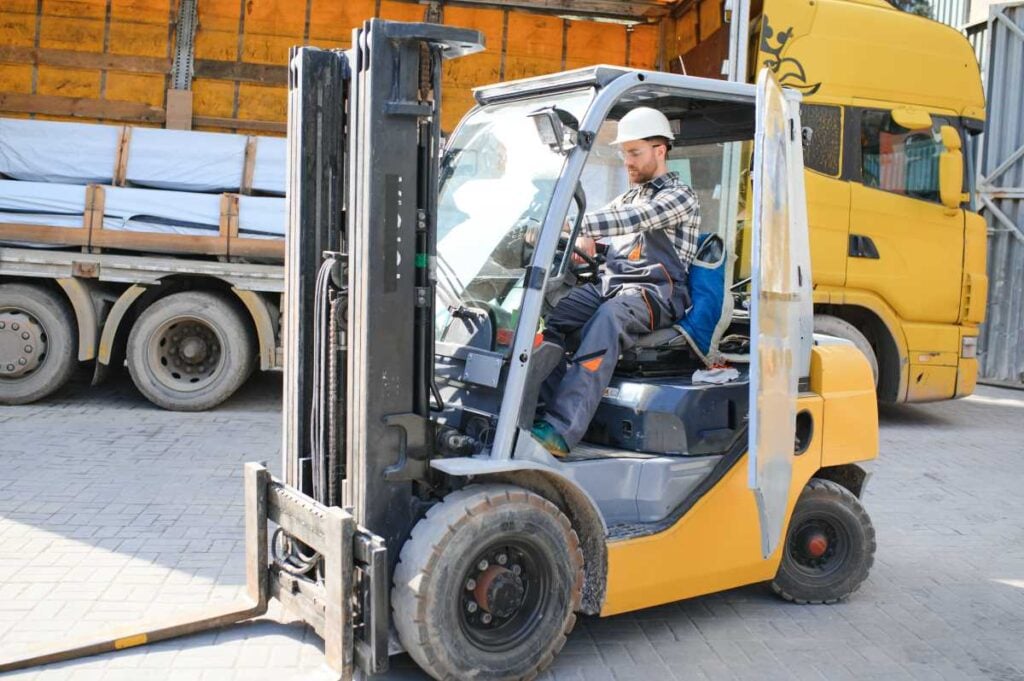
A repair is easier to manage if parts are easy to get.
With some cheaper forklifts, this is where problems get worse. Parts may be harder to source, slower to arrive, or only available through limited channels.
That creates two problems at once:
- The repair may cost more
- The truck may stay out of use for longer
A forklift that cannot be repaired quickly becomes a bigger operational risk, especially if your site depends on a small fleet.
Maintenance can become more frequent
Every forklift needs servicing, but lower-quality trucks often need more attention.
That may mean:
- More inspections
- More frequent repairs between services
- Higher wear on parts
- More unplanned maintenance
Instead of following a steady service schedule, you may find yourself reacting to faults as they happen. That makes costs harder to control and planning much more difficult.
A stronger truck with better support behind it is often easier to budget for because the maintenance pattern is more predictable.
Safety issues can cost more than repairs
Safety should never be judged by price alone.
Cheaper forklifts may have fewer features, weaker ergonomics, or lower-quality components that affect day-to-day safety. That can increase the chance of:
- Operator mistakes
- Product damage
- Workplace accidents
- Higher insurance costs
- Lost confidence from staff
A forklift does not need to be visibly falling apart to create risk. Even small issues with braking, steering, stability, or visibility can have serious consequences in a busy work area.
If a low-cost truck creates safety problems, the true cost can rise far beyond the repair bill.
Operator comfort affects productivity too
This is one of the hidden costs buyers often overlook.
A cheaper forklift may be less comfortable to use for long shifts. That can mean:
- Poor seat support
- Stiffer controls
- More vibration
- Lower visibility
- A less smooth driving experience
Over time, this can contribute to operator fatigue. Tired operators are more likely to make mistakes, work more slowly, or feel less satisfied using the equipment.
That makes the forklift less efficient, even if it still works.
Fuel and energy costs still matter
A cheaper forklift is not always cheaper to run.
Depending on the truck type, you may face higher costs through:
- Lower fuel efficiency
- Poor battery performance
- More frequent battery replacement
- Older systems that use more energy
This matters even more if the forklift is used daily. Small extra costs each shift can add up over months and years.
A lower purchase price can quickly lose its appeal if the truck is expensive to keep moving.
Cheap forklifts may not last as long
A forklift is a long-term asset. A well-supported, good-quality truck can stay productive for many years if it is maintained properly.
A cheaper forklift may reach the end of its useful life much sooner.
That means you may need to:
- Spend on major repairs earlier
- Replace the truck sooner than planned
- Deal with lower resale value
- Restart the buying process again too soon
In simple terms, buying cheap can sometimes mean buying twice.
Resale value is often weaker
When the time comes to replace or part exchange a forklift, better-known and better-supported models usually hold value more strongly.
Cheaper forklifts often do not.
If the truck has poor brand support, limited parts supply, or a reputation for reliability issues, buyers may be less interested in it later. That leaves you with less value to put towards the next machine.
This is another hidden cost that does not show up at the start but matters in the long run.
A better approach is total cost thinking
The smartest way to buy a forklift is to look at total cost, not just upfront price.
That means asking:
- How reliable is the truck likely to be?
- How easy is it to service?
- Are parts easy to get?
- How long is it likely to last?
- What will downtime cost if it fails?
- Does it suit the job properly?
A forklift that costs more at the start may still be the better value if it is safer, more reliable, and cheaper to run over time.
Smarter alternatives to the cheapest option
Not every business needs a brand-new premium truck. But that does not mean the cheapest forklift is the right answer either.
Smarter options may include:
- A well-maintained used forklift from a trusted supplier
- A long-term hire agreement
- A truck with service support included
- A better-suited model with stronger residual value
For businesses looking for professional forklift equipment for material handling, it often makes more sense to compare reliability, support, and running costs instead of focusing only on the lowest headline number.
Final thoughts
Cheap forklifts can carry hidden costs that do not appear on the first quote. Breakdowns, delayed repairs, lower safety, higher maintenance, weaker resale value, and shorter lifespan can all turn a low purchase price into a more expensive decision.
The best forklift buy is not always the cheapest one. It is the one that gives your business the strongest long-term value, the least disruption, and the most dependable performance for the work you need it to do.