On this page
- Why electric forklift faults matter
- Battery not holding charge properly
- Forklift will not power on
- Main contactor faults
- Blown fuses
- Worn or damaged wiring
- Truck moves forward but not in reverse
- Brake failure or weak braking
- Forks will not lift
- Forks will not lower
- Controller failure
- Other warning signs to watch for
- Why regular maintenance makes a big difference
- When to stop using the truck
- Getting the right support quickly
- Final thoughts
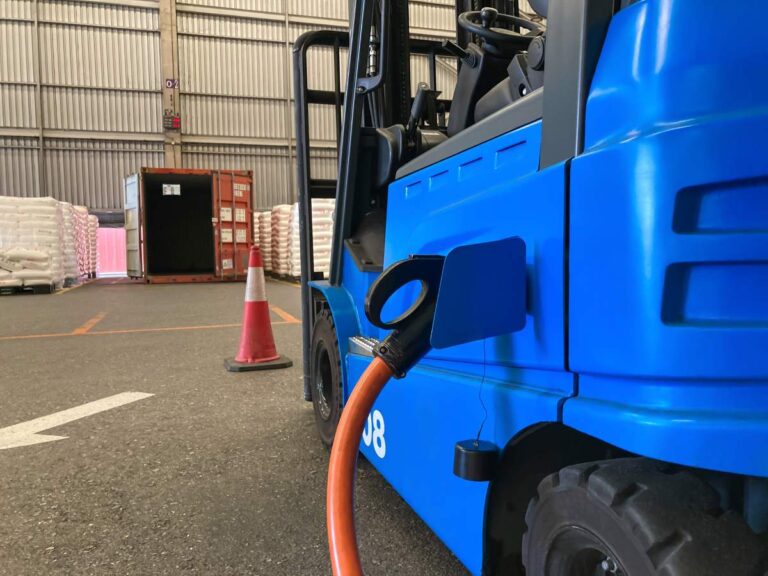
Electric forklifts are a strong choice for many warehouses and indoor sites. They are quieter than diesel or LPG trucks, produce no exhaust emissions during use, and usually have lower day-to-day running costs.
But like any working machine, they can still develop faults. Some problems are minor and easy to spot early. Others can stop the truck working and cause expensive downtime if they are ignored.
If your team relies on electric trucks every day, it helps to know the most common issues and what they usually mean.
Why electric forklift faults matter
A forklift problem is rarely only a repair issue. It can also affect:
- Productivity
- Loading and unloading times
- Operator safety
- Battery life
- Stock movement across the site
That is why early fault spotting matters. A small issue today can become a bigger breakdown later if the truck keeps being used without attention.
If you are still comparing truck types, this guide to electric forklift explained gives a useful overview of where electric models work best and why they are so popular indoors.
Battery not holding charge properly
Battery trouble is one of the most common electric forklift problems.
Sometimes the truck shows a full charge at first, but power drops much faster than expected once work begins. In other cases, the truck struggles to start moving even though the battery appears charged.
This can happen because of:
- An ageing battery
- Charging problems
- Loose connections
- Poor battery maintenance
- Cells that are no longer performing properly
A weak battery usually means reduced runtime, slower operation, and more pressure on the rest of the truck.
Forklift will not power on
If the truck will not start at all, the problem may be in the basic electrical supply rather than the drive system.
Common causes include:
- A faulty electric lock switch
- A damaged power switch
- Loose battery links
- A blown fuse
- A badly connected main circuit
These faults can leave the forklift completely unresponsive. In some cases the issue is simple, but it still needs to be checked properly before the truck goes back into use.
Main contactor faults
The main contactor controls the flow of power through the forklift. If it fails, the truck may lose drive or behave inconsistently.
Problems can include:
- No power reaching the truck properly
- Poor contact inside the contactor
- Burned or worn contact points
- Inflexible contact movement
A contactor issue may show up as a truck that starts and stops unpredictably or refuses to operate even when the battery is charged.
Blown fuses
Fuses are there to protect the electrical system, but they can also be one of the first places a fault appears.
A blown fuse may happen because of:
- Electrical overload
- Short circuits
- Wiring damage
- A deeper fault elsewhere in the truck
Replacing a fuse may get the truck moving again for a short time, but if the new fuse fails too, there is usually another electrical issue behind it.
Worn or damaged wiring
Electric forklifts rely on stable wiring throughout the truck. Over time, cables can rub, loosen, or wear through, especially around moving parts such as the steering or tiller area.
A worn wire can lead to:
- Loss of power
- Intermittent controls
- Faulty steering or movement signals
- Sudden shutdowns
Wiring wear can be easy to miss at first, which is why regular inspections matter so much.
Truck moves forward but not in reverse
If an electric forklift will only drive in one direction, the problem is often linked to the direction control system.
Possible causes include:
- A faulty direction contactor
- Burned contact points
- Poor contact in the reversing circuit
- A controller fault
- Power supply problems to the direction controls
This kind of fault can make the truck unsafe to use, especially in confined warehouse spaces where controlled reversing is essential.
Brake failure or weak braking
Braking issues should always be treated seriously.
On electric forklifts, brake problems may come from:
- Loose brake wiring
- A damaged magnetic brake coil
- Worn brake pads
- Poor brake adjustment
- A faulty brake stroke switch
A truck with weak or inconsistent braking creates obvious safety risks for operators, pedestrians, stock, and racking. Even if the truck still moves, it should not stay in operation until the braking fault is checked.
Forks will not lift
If the truck drives but the forks do not raise, the fault may be electrical, hydraulic, or both.
Common reasons include:
- Failure in the lifting contactor power supply
- A faulty lift switch
- Insufficient hydraulic oil
- Power problems affecting the lift system
This kind of issue can stop the truck from doing its main job even if the drive system still works.
Forks will not lower
A forklift that lifts but will not lower can be just as disruptive.
Likely causes include:
- A blocked oil return path
- A stuck or faulty solenoid valve
- Mast jamming
- Hydraulic control issues
Because the load handling system is involved, this problem needs careful attention. Forcing the truck or continuing to operate it can make the situation worse.
Controller failure
The controller is one of the most important parts of an electric forklift. It manages how power is delivered to the drive and lift functions.
If the controller fails, you may notice:
- Loss of drive
- Inconsistent movement
- Direction faults
- The contactor working without the truck responding properly
- Unusual voltage behaviour
Controller problems can be harder to diagnose without proper testing, because the symptoms may overlap with battery, wiring, or contactor faults.
Other warning signs to watch for
Not every fault appears in a neat category straight away. Operators should also pay attention to warning signs such as:
- Slower than normal acceleration
- Reduced lifting speed
- Sudden loss of power during use
- Electrical smell or visible sparking
- Charging problems
- Brake feel changing over time
These may point to a developing fault before a full breakdown happens.
Why regular maintenance makes a big difference
Many common forklift problems get worse because they are spotted too late.
A regular maintenance routine helps catch:
- Weak batteries
- Wiring wear
- Brake wear
- Contact issues
- Hydraulic problems
- Early signs of controller trouble
That means fewer sudden breakdowns and less unplanned downtime.
It also helps businesses avoid the false saving of running a truck until it stops completely. In most cases, early maintenance is cheaper than emergency repair.
When to stop using the truck
Operators should stop using an electric forklift and report it if they notice:
- Brake weakness
- Faulty steering or movement control
- No lift or no lower function
- Unusual electrical smell
- Sudden power loss
- Any one-direction-only driving problem
Keeping a faulty truck in use can increase repair costs and create avoidable safety risks.
Getting the right support quickly
Electric forklifts are reliable when they are properly maintained, but faults do happen. The key is getting the problem diagnosed and repaired before it starts affecting the whole site.
If your truck is showing signs of electrical, battery, lift, or brake trouble, Acclaim offers expert repair support for warehouse transport equipment to help keep your fleet safe, compliant, and productive.
Final thoughts
The most common electric forklift problems usually involve batteries, wiring, contactors, brakes, lift controls, or the main controller. Some faults stop the truck completely. Others begin as small warning signs and get worse over time.
The best approach is simple: act early. Regular inspections, planned servicing, and quick response to faults will help extend the life of the truck and reduce expensive downtime.
A reliable electric forklift should make warehouse work easier. When faults start appearing, getting the right support quickly is what keeps it that way.