In a busy operation, it is easy to push forklift repairs down the list. The truck is still moving, the load is still being lifted, and there are always other jobs that seem more urgent.
But delaying a forklift repair rarely saves money for long. In many cases, it does the opposite. A small fault can turn into a bigger failure, downtime can spread across the site, and the final bill can be far higher than the cost of dealing with the issue early.
That is why forklift repairs should never be judged only by what they cost today. The real cost often comes from what happens if you wait.
Why small forklift faults become expensive
A forklift is a working asset, not a static piece of equipment. If one part starts to fail, the rest of the truck often comes under more strain.
For example:
- A small hydraulic leak can reduce system pressure and damage other components
- Worn brakes can affect stopping distance and increase safety risk
- A weak battery can put extra pressure on the truck’s electrical system
- A damaged tyre can reduce stability and affect handling
At first, these problems may seem manageable. The truck still works, so it is tempting to keep using it. But the longer the issue stays in place, the more chance it has to spread.
Downtime is often the biggest hidden cost
Many businesses focus on the repair bill itself, but that is often only one part of the cost.
If a forklift breaks down fully, you may also face:
- Delays loading and unloading vehicles
- Slower stock movement in the warehouse
- Operators waiting for equipment
- Missed deadlines
- Pressure on the rest of the fleet
- Overtime or temporary labour costs
In other words, the forklift problem quickly becomes an operations problem.
This is especially serious in warehouses, logistics sites, and manufacturing environments where one truck going down can affect several teams at once.
Delays can create a chain reaction
One of the biggest risks in delaying a repair is that the original problem can damage other parts.
A good example is a hydraulic issue. A small leak may not stop the forklift straight away, but if the system keeps running low on fluid, other hydraulic components can begin to wear faster. Contamination may also get into the system and make the damage worse.
The same pattern can happen with:
- Brake wear leading to wider braking damage
- Electrical faults affecting batteries, motors, or controllers
- Cooling problems causing engine overheating on internal combustion trucks
- Worn chains or forks causing further strain elsewhere
This is why early repair is usually cheaper than later repair. You are often fixing one issue instead of several.
Safety risks rise when faults are ignored
A forklift that is not working properly does not only cost money. It can also become unsafe.
That may mean:
- Poor braking
- Reduced steering control
- Slower lift response
- Unstable handling under load
- Unexpected power loss
These are not small concerns. Forklifts operate around people, stock, racking, vehicles, and loading areas every day. If a truck is not safe, the business is exposed to much more than repair costs.
There may also be wider consequences linked to compliance, inspections, and internal health and safety duties.
Productivity often drops before the breakdown happens
A lot of businesses wait until a forklift stops completely before calling for repair. But the real cost often starts earlier than that.
A truck with a developing fault may already be causing:
- Slower lifting speed
- Reduced power
- Harder steering
- n- Inconsistent controls
- Longer task times
That kind of underperformance may not stop the operation entirely, but it still reduces efficiency. Over days and weeks, that lost productivity adds up.
This is why it helps to pay attention to the early signs your forklift needs servicing rather than waiting for a full failure.
Emergency repairs are usually more disruptive
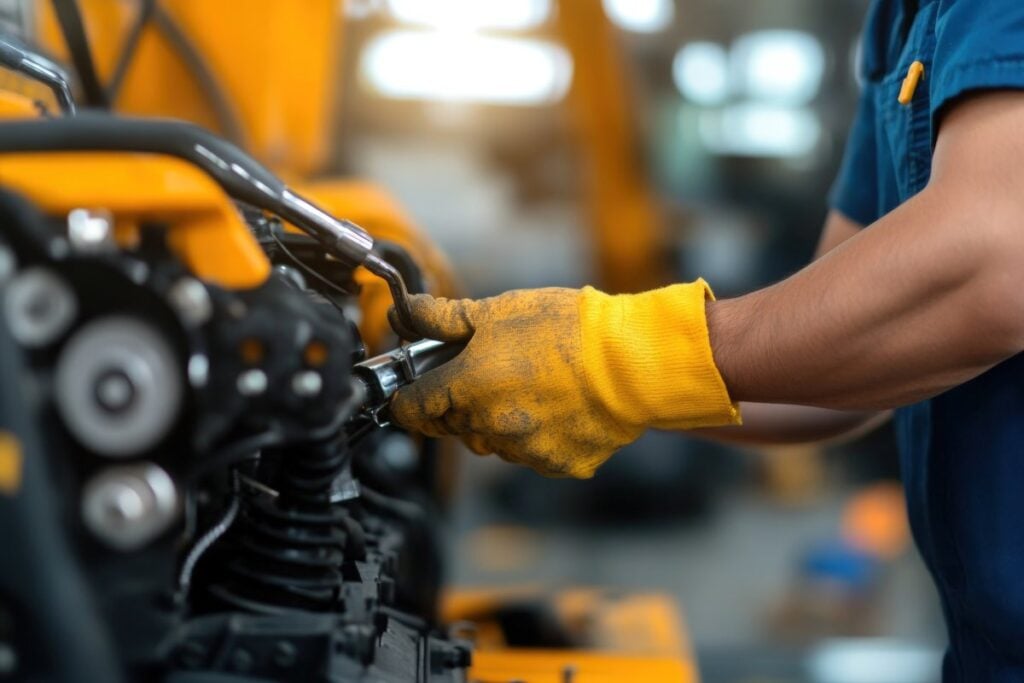
Planned repairs and servicing are easier to manage than emergency breakdowns.
If you deal with a fault early, you can often:
- Arrange the work around operations
- Order parts in a more controlled way
- Reduce disruption to staff
- Avoid urgent call-out costs
If the forklift fails unexpectedly, the business loses that control. You may need fast engineer support, rush parts, temporary cover, or rental equipment at short notice.
That usually means more cost and more disruption.
Labour costs can rise too
When a forklift is down, the missing capacity often has to be covered elsewhere.
That may mean:
- Operators being moved from other jobs
- Staff waiting around for equipment
- Manual handling increasing
- Extra overtime to catch up once the truck is repaired
So even if the repair itself is not huge, the labour impact can still be expensive.
A forklift fault rarely stays contained to one maintenance line on a budget sheet. It often affects the whole flow of work.
Delaying repair can shorten forklift lifespan
A forklift that runs with unresolved faults usually wears out faster.
That is because the damaged or struggling part keeps placing extra pressure on the rest of the machine. Over time, this can reduce the useful life of:
- Brakes
- Tyres
- Hydraulics
- Electrical systems
- Steering components
- Mast parts
If enough of that wear builds up, the business may be forced into a replacement decision much sooner than planned.
That makes delayed repairs expensive not only in the short term, but also in long-term asset value.
Some of the most common “small” faults to take seriously
A few issues are especially easy to ignore at first.
These include:
- Minor fluid leaks
- Strange noises
- Slow lift response
- Hard starting
- Reduced battery performance
- Steering that feels heavier than usual
- Brakes that feel different
These may not stop the truck on day one, but they are often warning signs that something is already wearing or failing.
Preventive action usually costs less than reactive action
The simplest way to reduce the true cost of repairs is to catch faults earlier.
That means:
- Daily operator checks
- Quick reporting of changes in performance
- Planned servicing
- Acting on warning signs before they become failures
This approach helps businesses move away from reactive maintenance, where problems are only handled once the truck breaks down.
A more proactive approach usually leads to:
- Lower repair costs
- Better reliability
- Less downtime
- Stronger safety
- Longer equipment life
Getting support before the problem spreads
If a forklift is showing signs of trouble, the most cost-effective step is usually to get it checked before the fault spreads any further.
That is where professional servicing support makes a real difference. A trained engineer can identify whether the issue is minor, whether it is already affecting other components, and what needs to happen next.
For businesses that need dependable material handling maintenance solutions, acting early can protect both the equipment and the wider operation.
Final thoughts
The true cost of delaying a forklift repair is rarely just the repair itself. It often includes lost productivity, extra labour, safety risk, emergency call-out pressure, and wider component damage.
What looks like a saving today can quickly become a much bigger cost later.
The best approach is simple: take early warning signs seriously, deal with faults before they spread, and keep repairs part of a planned maintenance mindset rather than a last-minute emergency. In most cases, that is the cheaper option and the safer one too.

Related Posts
Predictive vs Preventive Maintenance: What’s the Difference?
How Forklift Rentals Help Warehouses Stay Flexible
Top Industries that Benefit from Forklift Hire
How Warehousing Demands Are Changing Forklift Requirements
How to Determine If You Need an Extra Forklift