On this page
- What Is LOLER and Why It Applies to Forklifts
- How Servicing Differs from a Thorough Examination
- Legal Responsibilities for UK Employers
- Consequences of Falling Behind on Compliance
- Building Servicing into Your Compliance Calendar
- Choosing a Provider Who Understands LOLER
- Stay Compliant with Acclaim Handling
- FAQs
- Does forklift servicing count as a LOLER thorough examination?
- How often does a forklift need a LOLER examination?
- Who is responsible for arranging a forklift’s thorough examination?
- Can the same engineer service a forklift and carry out its thorough examination?
- What happens if a thorough examination identifies a dangerous defect?
Forklifts play an essential role in warehouses, manufacturing facilities and distribution centres, but keeping them safe involves more than making sure they start and lift correctly. Businesses must maintain their equipment, arrange the required examinations and keep appropriate records to meet their legal responsibilities.
Forklift servicing LOLER compliance are closely connected, but they are not the same thing. Routine servicing helps keep a truck in good working order, while a LOLER thorough examination assesses whether its lifting equipment remains safe to use.
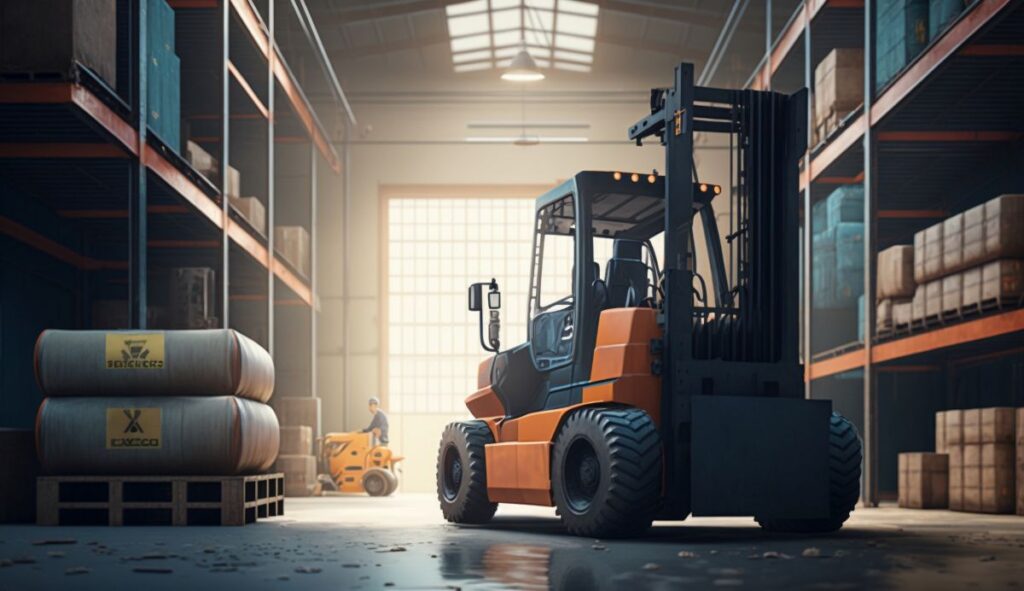
Understanding how these responsibilities fit together helps you plan maintenance, address defects promptly and reduce the risk of unexpected downtime. It also makes it easier to demonstrate that your business takes equipment safety seriously.
What Is LOLER and Why It Applies to Forklifts
The Lifting Operations and Lifting Equipment Regulations 1998 (LOLER) set out requirements for lifting equipment used at work. Forklift trucks fall within their scope when used for lifting or lowering loads, meaning businesses must ensure that relevant equipment is safe and appropriately examined.
LOLER requires lifting operations to be properly planned, appropriately supervised and carried out safely by competent people. Equipment must also be suitable for its intended use and, where applicable, marked with its safe working load.
One of the key requirements is a thorough examination by a competent person. This is a systematic assessment of the equipment and its safety-critical components, intended to identify defects or deterioration that could put people at risk.
For a typical forklift used to lift goods, thorough examinations are generally required at least every 12 months, unless a competent person’s written examination scheme specifies different intervals. Lifting accessories normally require examination every six months, as does equipment used to lift people.
These are minimum statutory intervals rather than a recommendation to leave equipment unchecked between examinations. Regular inspections, operator checks and maintenance remain important.
How Servicing Differs from a Thorough Examination
Servicing and thorough examination have different purposes, and one cannot automatically replace the other.
Routine servicing focuses on maintaining the forklift in good working order. Depending on the truck and manufacturer’s maintenance schedule, this may include checking brakes, steering, hydraulic systems, batteries, tyres, mast components and other mechanical or electrical parts. Engineers can identify wear, replace parts and address faults before they cause more serious problems.
A LOLER thorough examination is a formal assessment of the lifting equipment’s safety by a competent person. It focuses on whether the equipment remains safe for use, including the relevant forks, mast, lifting chains, hydraulic lifting components and attachments.
The distinction matters because a forklift may receive regular servicing and still require its statutory examination. Equally, passing a thorough examination does not mean the truck can be neglected until the next one is due.
The difference between a LOLER versus service check is particularly important when organising maintenance schedules. Both processes help manage risk, but they answer different questions: is the equipment being maintained properly, and has its lifting safety been formally assessed?
There is also an important independence consideration. The HSE advises that the competent person carrying out a thorough examination should not be the same person who undertakes routine servicing or maintenance, as they would otherwise be assessing their own work. A service provider may be able to coordinate both activities, but the examination must be carried out by an appropriately competent and sufficiently impartial person.
Legal Responsibilities for UK Employers
Employers and others who control the use of lifting equipment must understand their responsibilities rather than assuming a maintenance provider takes care of everything.
Under LOLER, the dutyholder must ensure that required thorough examinations take place, that reports are available and that defects are dealt with appropriately. Under the Provision and Use of Work Equipment Regulations 1998 (PUWER), work equipment must also be maintained in an efficient state, in efficient working order and in good repair.
In practice, this means businesses need to:
- Arrange thorough examinations: Ensure examinations take place at the required intervals or according to a valid written examination scheme.
- Check documentation: Keep the latest examination report and know when the next examination is due.
- Maintain the forklift: Follow the manufacturer’s maintenance recommendations and address defects as they arise.
- Carry out appropriate inspections: Make sure pre-use checks and any additional inspections identified through risk assessment are completed.
- Act on reported problems: Prevent unsafe equipment from being used and arrange repairs or other corrective action where necessary.
- Manage lifting operations safely: Ensure work is properly planned, supervised and undertaken by competent personnel.
These responsibilities also matter when a forklift is hired. The supplier may arrange examinations and maintenance, but the business using the truck should satisfy itself that the required documentation is current and that the equipment is suitable and safe for its intended use.
A clear allocation of responsibilities between the supplier, maintenance provider and workplace manager helps prevent important tasks from being overlooked.
Consequences of Falling Behind on Compliance
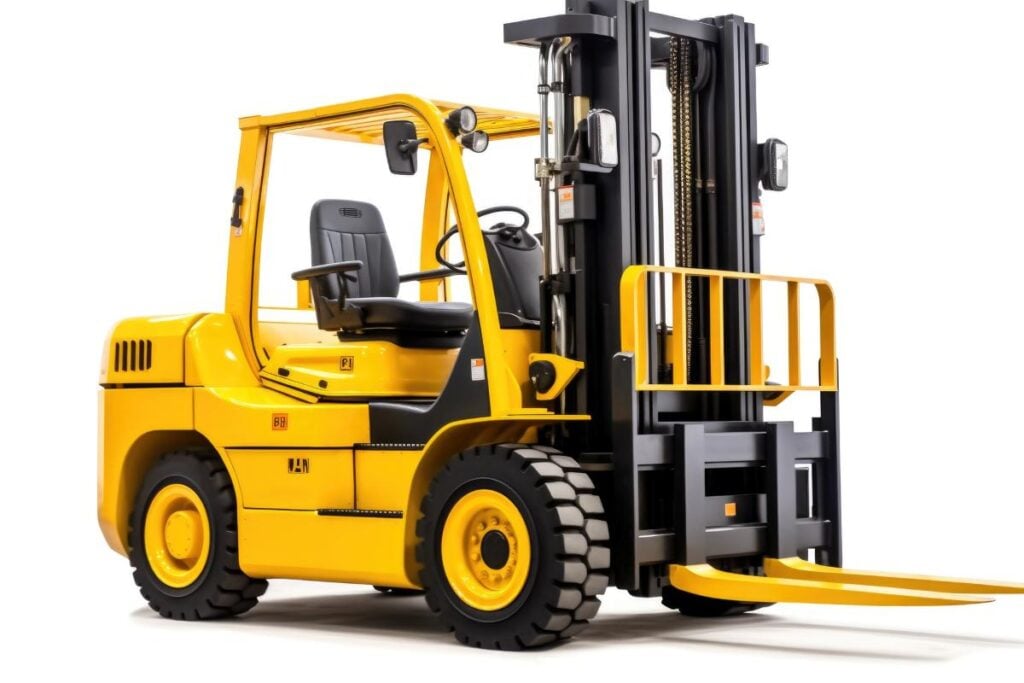
Missing an examination date or ignoring a defect can expose workers to avoidable risks. Worn lifting components, damaged forks or problems with the mast and hydraulic system can compromise the safe handling of loads, potentially causing dropped goods, equipment damage or serious injuries.
There can also be operational and financial consequences. A forklift taken out of service unexpectedly may delay orders, interrupt production and force a business to rearrange work at short notice.
Failing to meet applicable health and safety duties can lead to enforcement action and, depending on the circumstances, prosecution and financial penalties. However, the consequences depend on the nature and seriousness of the breach; no particular outcome is automatic.
Good records help businesses demonstrate that they have taken their responsibilities seriously, but paperwork alone is not enough. An in-date report does not make a forklift safe if a new defect develops afterwards.
If an examination identifies a defect that is, or could become, dangerous, the dutyholder must take appropriate action. Where the defect presents an immediate danger, the equipment must not be used until the problem has been remedied. Other defects must be addressed within the timeframe specified in the report, with use restricted as necessary.
The aim is not simply to avoid penalties. Effective maintenance and examination arrangements help protect employees, contractors and anyone else who may be affected by lifting operations.
Building Servicing into Your Compliance Calendar
A planned schedule makes it easier to coordinate servicing, examinations, inspections and record-keeping without relying on last-minute reminders.
Start by creating an equipment register that identifies each forklift, its location, its relevant examination dates and its servicing history. Include attachments where applicable, as these may have separate examination requirements.
Next, establish a calendar that covers:
- Routine servicing: Schedule work according to the manufacturer’s recommendations, operating hours and intensity of use.
- Thorough examinations: Record the due date for each examination and arrange it early enough to avoid unnecessary disruption.
- Daily pre-use checks: Ensure operators know what to inspect and how to report defects.
- Follow-up actions: Track repairs and recommendations arising from service visits or examination reports until they have been resolved.
- Record reviews: Check that reports and maintenance records are complete, accessible and up to date.
It is also worth educating yourself on the relationship between forklift MOT and LOLER, as the terminology can cause confusion. A forklift’s thorough examination is not the same as a road vehicle MOT, and passing one does not replace the other.
Your schedule should reflect how the equipment is actually used. Heavy workloads, harsh environments, unusual operating conditions or significant incidents may justify additional inspections or an examination outside the normal timetable. Follow the advice of competent professionals and the manufacturer’s instructions rather than relying on fixed calendar dates alone.
Choosing a Provider Who Understands LOLER
A reliable maintenance partner should understand the equipment, the demands of your operation and the difference between routine servicing and statutory examination.
When choosing a provider, look at its engineering experience, ability to support your forklift models and approach to identifying and communicating defects. Ask how maintenance visits are documented, whether recommendations are followed up and how examination appointments can be coordinated with your existing schedule.
It is also important to establish who carries out the thorough examination, how their competence and impartiality are ensured, and who is responsible for supplying and retaining the report. A provider should be clear about the limits of its service rather than implying that routine maintenance alone guarantees compliance.
For businesses operating several forklift types or a mixed fleet, experience across different manufacturers can be particularly useful. It may simplify maintenance planning and help keep records consistent across the operation.
Stay Compliant with Acclaim Handling
At Acclaim Handling, we support businesses with the practical work involved in keeping materials handling equipment safe, reliable and ready for use. Our services cover both routine maintenance and the examination requirements that need to be managed alongside it.
We are a CFTS-accredited provider of thorough examinations, giving customers access to a recognised framework for forklift and lifting-equipment inspections. Our engineering team also brings experience across a wide range of equipment, helping businesses address maintenance needs across mixed fleets rather than treating every truck as an isolated case.
With eight regional depots across the UK, we support customers in different locations, while our 24/7 breakdown callout service provides a route to assistance when an unexpected fault threatens to interrupt operations.
We can help you plan appropriate maintenance and discuss the examination arrangements needed for your equipment. It remains important to ensure that statutory examinations are conducted by a competent and sufficiently impartial person, with findings documented and any identified defects addressed.
Explore our forklift maintenance services to discuss the requirements of your fleet and build a more organised approach to equipment care.
Regular servicing, timely thorough examinations and prompt action on defects all have distinct roles in keeping forklifts safe. Bringing these activities together in a clear schedule helps you protect your workforce, reduce avoidable disruption and manage your legal responsibilities with greater confidence.
FAQs
Does forklift servicing count as a LOLER thorough examination?
No. Servicing maintains the truck’s working condition, while a thorough examination is a formal assessment of lifting equipment by a competent person. Both may be required.
How often does a forklift need a LOLER examination?
A forklift used to lift goods generally requires a thorough examination at least every 12 months, unless a competent person’s written examination scheme specifies different intervals. Lifting accessories and equipment used to lift people generally require six-monthly examinations.
Who is responsible for arranging a forklift’s thorough examination?
The dutyholder responsible for the equipment’s use must ensure the required examination takes place. A supplier or maintenance provider may arrange it, but the user should confirm that the examination is current and the report is available.
Can the same engineer service a forklift and carry out its thorough examination?
The HSE advises that the person carrying out the thorough examination should not be the same person who performs routine servicing or maintenance, to preserve impartiality. A provider may coordinate both services using appropriately separate personnel.
What happens if a thorough examination identifies a dangerous defect?
The defect must be addressed, and the forklift must not be used where the problem presents a danger until it has been remedied. Other defects must be managed within the timeframe specified in the report, with appropriate restrictions on use.