On this page
- What Is Forklift Finance?
- What Types of Forklift Finance Exist?
- Hire Purchase
- Finance Lease
- Operating Lease or Contract Hire
- Business Loan
- Advantages of Forklift Financing
- The Potential Drawbacks of Forklift Finance
- The Total Cost May Be Higher
- You Are Committing to Regular Payments
- The Forklift May Not Be Yours
- There May Be Additional Costs
- Questions to Ask Before Financing a Forklift
- How Will the Forklift Be Used?
- How Long Will You Need It?
- What Is the Total Cost?
- Who Handles Maintenance?
- What Happens at the End?
- Are There Tax Benefits to Forklift Financing?
- Financing, Hiring or Buying: Which Is Best for You?
- Find the Right Forklift for Your Business
Many companies rely on a dependable forklift. Loading deliveries, moving warehouse stock, or handling materials on a busy construction site, the right equipment makes daily work safer and more efficient.
Even so, buying a forklift outright can be a significant investment. If you want to protect cash flow or replace equipment without a big upfront cost, financing may be an option.
But is forklift financing the right choice for your business? It depends on your budget, how long you need the truck, and your plans when the agreement ends.
This blog explains how forklift finance works, its possible pros and cons, and the questions to ask before deciding.
What Is Forklift Finance?
Forklift finance spreads the cost of acquiring or using a forklift over a set period. Rather than paying the full price upfront, your business makes regular payments under a finance or lease agreement.
Depending on the arrangement, you may:
- Own the forklift once payments are complete and any purchase conditions are met.
- Use the forklift for an agreed period and return it afterwards.
- Have other end-of-agreement options, such as extending the arrangement.
Deposit, payment amount, contract length, and end-of-term conditions vary by provider and agreement. Finance is also subject to approval and the provider’s requirements.
Before signing, know exactly what you are paying for and whether the agreement suits how your business will use the truck.
What Types of Forklift Finance Exist?
There are several ways to fund a forklift. The best choice depends on your priorities: ownership, flexibility, or lower upfront costs.
Hire Purchase
With hire purchase, your business usually pays a deposit and then regular instalments over a fixed term.
The forklift becomes your business’s property once all payments and purchase conditions are met. Some agreements include a final option-to-purchase fee, so check the full terms.
Hire purchase may suit businesses that want to keep their forklift long term and spread the cost.
Finance Lease
A finance lease lets your business use a forklift for regular payments, while the finance provider usually remains the owner.
When the initial agreement ends, the available options depend on the contract. These may include continued use under a further agreement or arranging a sale.
A finance lease may suit you if access to the equipment matters more than ownership. Still, check who covers maintenance, insurance and any end-of-agreement costs.
Operating Lease or Contract Hire
An operating lease or contract hire typically gives your business use of a forklift for an agreed period, after which it is usually returned.
Some arrangements may include servicing or maintenance, though this is not guaranteed. Contracts may also set expected usage levels and return conditions.
This may suit businesses wanting predictable equipment costs or regular fleet updates. It is especially important to understand charges for excess usage, damage or early termination.
Business Loan
A business loan is another way to fund a forklift purchase. The business borrows money to purchase the truck and repays it according to the lender’s terms.
With an outright purchase loan, the business usually owns the forklift from the outset, unlike leasing, though the lender may require security under the agreement.
Advantages of Forklift Financing
1. Maintain Cash Flow
A main reason businesses will use finance is to avoid paying a forklift’s full cost upfront.
Spreading payments can free up cash for stock, staff, premises or unexpected repairs. This often suits growing businesses that need equipment while juggling competing priorities.
Still, a lower initial payment does not eliminate the cost. Your business must still be confident it can keep up the regular payments throughout the agreement.
2. Obtain the Right Equipment Sooner
If a forklift is essential to your operation, waiting to save the full price may not be practical.
Finance may help you get a suitable truck sooner, whether replacing an unreliable machine, expanding your fleet or meeting higher demand.
It may also let you consider a model better suited to your operation. For instance, a warehouse moving from occasional use to multiple shifts may benefit from a truck built for more intensive work.
3. Simplify Budgeting
Regular payments can make equipment costs easier to plan, especially when the amount is fixed for the term.
Yet the finance payment is only part of the overall cost. Also budget for servicing, repairs, insurance, energy or fuel, and required inspections.
If maintenance is included, check exactly what it covers and whether exclusions or limits apply.
4. Support Long-Term Planning
Different agreement types suit different fleet plans.
If you plan to keep a forklift for years, hire purchase can lead to ownership. If your needs change often, a lease or hire agreement may let you review equipment at the term’s end.
The key is matching the agreement’s length and terms to your expected needs.
The Potential Drawbacks of Forklift Finance
Finance can help, but it is not always the cheapest or most flexible option.
The Total Cost May Be Higher
Interest, fees and other charges can make financing a forklift cost more than buying outright.
When comparing options, look beyond the monthly payment. A longer agreement may lower each instalment but raise the total paid.
Ask for a written breakdown of the deposit, all scheduled payments, fees and any final charges to compare the full cost with buying outright or hiring.
You Are Committing to Regular Payments
A finance agreement creates an ongoing financial commitment. Payments usually remain due even if your workload drops or the forklift is used less than expected.
Consider whether the payments would still be manageable during quieter periods. Also ask what happens if you need to end the agreement early, as charges may apply.
The Forklift May Not Be Yours
Under some agreements, the finance provider keeps ownership the whole time. This can limit what you do with the truck, such as selling, modifying or transferring it.
If ownership matters to your business, get it confirmed in writing before you sign. Don’t assume the forklift is yours simply because you’ve made the latest payment.
There May Be Additional Costs
Depending on the agreement, extra charges may apply for damage, exceeding a usage limit, missed maintenance or returning the truck outside the contract terms.
Knowing these conditions upfront helps you avoid unexpected costs later.
Questions to Ask Before Financing a Forklift
Before comparing quotes, take time to assess the forklift and the agreement. These questions can help.
How Will the Forklift Be Used?
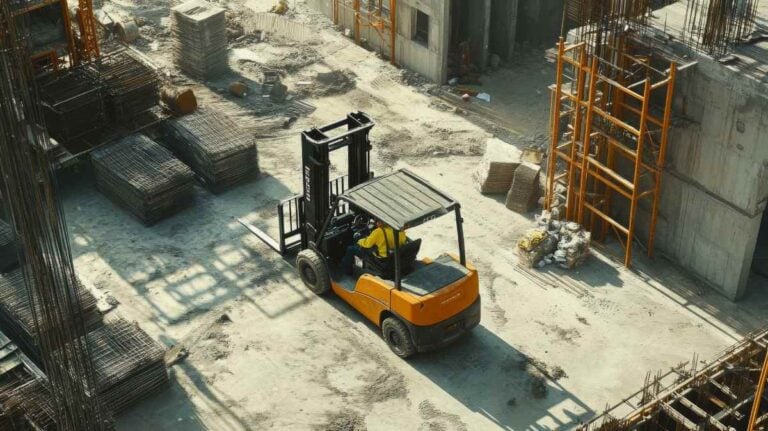
Consider the loads you handle, the lift height required and the operating environment. Also consider daily hours of use and whether it must work indoors, outdoors or both.
A poorly specified forklift may struggle to meet your needs, even with an attractive monthly payment. Make sure the truck’s rated capacity suits the loads, lift heights and attachments involved.
How Long Will You Need It?
If you expect to use the same forklift for years, buying outright or hire purchase may be worth exploring.
If the need is seasonal, temporary or likely to change, short-term hire may suit better than a longer commitment.
What Is the Total Cost?
Ask the provider to explain:
- The deposit and regular payment amounts.
- The length of the agreement.
- Interest and any arrangement or administration fees.
- Whether VAT applies and when it is due.
- Any final payment or option-to-purchase fee.
- Charges for early termination, excess usage or damage.
- Which servicing, maintenance and insurance are included.
Compare the total cost over your expected forklift use period, not just the monthly price.
Who Handles Maintenance?
A forklift needs proper maintenance and inspection throughout its working life. Check whether these are included in your agreement or whether your business must arrange and pay for them separately.
Also ask what happens if the truck breaks down and whether replacement equipment is available during repairs.
What Happens at the End?
Be clear on whether the forklift will be returned, kept or purchased when the agreement ends. Ask about notice periods, return conditions and final charges.
Knowing your options from the start can help you plan your next equipment decision.
Are There Tax Benefits to Forklift Financing?
Forklift taxation depends on the agreement type and your business’s circumstances. For example, qualifying equipment bought under hire purchase may be eligible for capital allowances, while leased equipment follows different rules and exceptions.
HMRC offers guidance on claiming capital allowances, including how ownership and leasing affect eligibility. Consult your accountant first, since VAT, tax relief, and accounting treatment depend on your agreement and circumstances.
Financing, Hiring or Buying: Which Is Best for You?
No single option suits every business.
Buying outright may suit a business with available funds that wants ownership without ongoing finance payments. It may also appeal if the forklift is likely to stay in use for many years.
Financing may suit a business that needs equipment now but wants to spread the cost. The right agreement depends on whether ownership or continued access to the truck matters more.
Hiring may suit businesses with a temporary need, seasonal peaks, or changing workloads. It can also provide extra equipment without a long-term purchase commitment.
Comparing these options against your workload, budget, and future plans will help you decide more confidently.
Find the Right Forklift for Your Business
Financing a forklift can give your business the equipment it needs while spreading the cost over time. But the right decision involves more than an affordable monthly payment.
Weigh the total cost, contract terms, maintenance responsibilities, and your plans for the truck before committing. Above all, make sure the forklift itself suits the job.
At Acclaim Handling, we know every operation has different materials handling requirements. If you are considering a forklift for your business, contact the Acclaim Handling team to discuss your requirements and explore a suitable solution.
| Topic | Summary |
| What is forklift finance? | Spreads the cost of acquiring or using a forklift through regular payments. Deposits, terms, ownership and end-of-agreement options vary; finance is subject to approval. |
| Hire Purchase | Usually involves a deposit and fixed-term instalments. Ownership transfers once all payments and purchase conditions are met, potentially including a final fee. May suit long-term use. |
| Finance Lease | Provides use of a forklift while the provider usually retains ownership. End-of-term options depend on the contract. Check maintenance, insurance and final costs. |
| Operating Lease or Contract Hire | Usually provides use for an agreed period followed by return. Maintenance may be included; check usage limits, return conditions and early termination charges. |
| Business Loan | Funds a forklift purchase through borrowing. The business usually owns the truck from the outset, although the lender may require security. |
| Advantages | Can preserve cash flow, provide suitable equipment sooner, simplify budgeting and support long-term fleet planning. Regular payments and running costs still need to be affordable. |
| Potential drawbacks | Total costs may exceed buying outright. Payments usually continue during quieter periods; ownership restrictions and extra charges may apply. |
| Equipment and duration | Match capacity, lift height, attachments, operating environment and daily usage to the job. Consider how long the truck is needed; temporary or seasonal needs may favour short-term hire. |
| Total cost checks | Compare deposits, payments, agreement length, interest, fees, VAT timing, final payments and charges for early termination, excess usage or damage. Confirm included servicing, maintenance and insurance. |
| Maintenance and end-of-term checks | Confirm who arranges and pays for maintenance and inspections, breakdown support and replacement equipment. Check ownership or return options, notice periods, return conditions and final charges. |
| Tax considerations | Tax treatment depends on the agreement and business circumstances. The blog notes possible capital allowances for qualifying hire-purchase equipment and different leasing rules. Consult HMRC guidance and an accountant. |
| Financing, hiring or buying | Buying may suit available funds and long-term ownership; financing spreads costs; hiring may suit temporary, seasonal or changing workloads. Compare each against budget, usage and future plans. |
| Overall takeaway and next step | Look beyond the monthly payment to total cost, contract terms, maintenance and equipment suitability. Contact Acclaim Handling to discuss requirements and explore a suitable solution. |