On this page
- There is no single delivery timeframe for every forklift
- Hire is usually faster than buying new
- Buying new usually takes longer
- Used forklifts can sometimes be delivered quickly
- The specification affects the speed
- Stock depth makes a big difference
- Location and local coverage affect delivery time
- Site access can also delay delivery
- Attachments and extras may add time
- Breakdown cover changes what “fast” really means
- What businesses should do if they need a forklift urgently
- Why flexibility often matters more than ownership speed
- Final thoughts
If your business suddenly needs another forklift, the first question is usually simple: how quickly can one get to site?
The answer depends on what type of forklift you need, whether you are hiring or buying, how specific the specification is, and how close the supplier is to your operation. In some cases, a forklift can be delivered very quickly. In others, the wait is much longer.
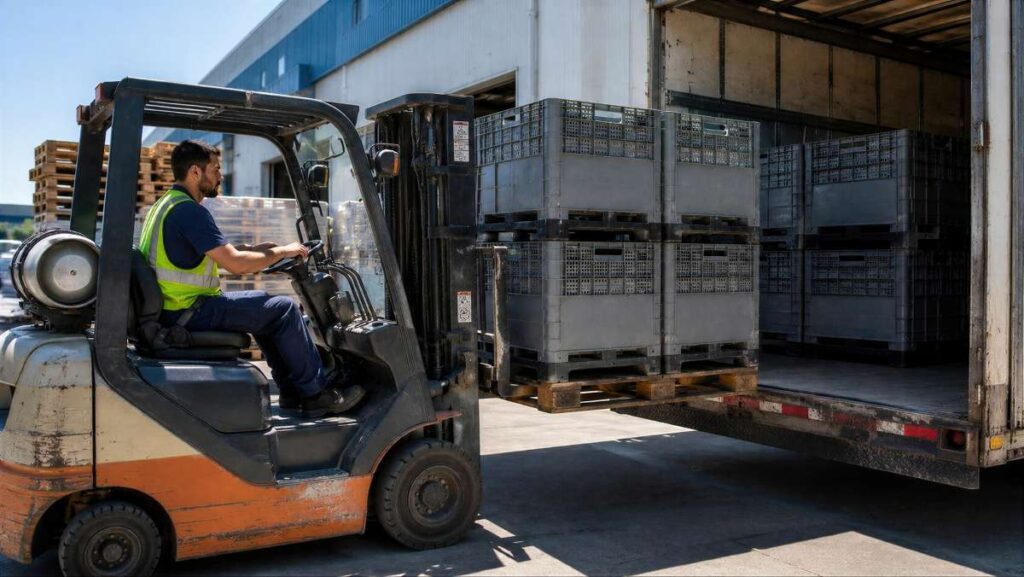
That is why lead time matters. If a truck has broken down, a new contract has started, or seasonal demand has arrived faster than expected, waiting weeks for the wrong supplier to respond can quickly become expensive.
There is no single delivery timeframe for every forklift
Forklift delivery is not one-size-fits-all.
A supplier may be able to deliver one truck within a day or two, while another machine may take much longer. The difference usually comes down to whether the truck is already in stock and how unusual the requirement is.
In general, delivery speed is shaped by a few main things:
- Whether the truck is for hire or purchase
- Whether it is in stock already
- The type of forklift needed
- The power source and lift specification
- Your location and site access
- Whether any attachments or extras are required
That means the right question is not only “how fast?” but “how fast for the truck I actually need?”
Hire is usually faster than buying new
If speed is the main priority, forklift hire is often the quickest route.
That is because a hire supplier is working from an existing fleet. If the right machine is available, it can often be prepared and delivered much faster than a brand-new truck ordered from a manufacturer.
This is especially useful when a business needs a forklift because:
- A truck has broken down unexpectedly
- Demand has risen suddenly
- A short-term project has started
- Seasonal pressure has created extra workload
- A warehouse move or stock increase needs temporary support
In these situations, waiting for a factory order is often not realistic.
Buying new usually takes longer
A new forklift can take much longer to arrive than a rental or an in-stock used truck.
That is because a new order may involve:
- Factory build schedules
- Shipping time
- Pre-delivery checks
- Any requested specification changes
- Transport planning to your site
If the truck is a very standard model, lead times may still be manageable. If the specification is more unusual, the wait may be much longer.
That is why businesses with urgent handling needs often look at hire or ready-stock equipment first, then decide later whether a permanent purchase is needed.
Used forklifts can sometimes be delivered quickly
Used forklifts can sit in the middle.
If the supplier already has the right truck prepared and ready, delivery may be quite fast. In some cases, this can be much quicker than ordering new while still giving the buyer a longer-term solution than short-term hire.
The key point is availability. A used truck can only move quickly if it is already in stock and in a condition that is ready to go.
The specification affects the speed
One of the biggest factors is how standard or specialist the truck is.
A common warehouse truck is usually easier to source quickly than a more unusual machine.
For example, delivery may be faster if you need:
- A standard electric counterbalance truck
- A common diesel model
- A forklift with a popular lift capacity
- A straightforward mast setup
Lead times may be longer if you need:
- A specialist attachment
- A rough-terrain truck
- A very high mast configuration
- A narrow-aisle or reach setup
- A machine with unusual capacity or dimensions
This is why clear requirements matter from the start. The more precisely you describe the job, the easier it is for the supplier to tell you what is actually available.
Stock depth makes a big difference
A supplier with a broad fleet and real stock availability can usually move faster than one with a very limited range.
If the provider only has a thin fleet, there is a greater chance they will either:
- Offer the wrong truck because it is all they have available
- Make you wait until the right truck becomes free
That is one reason why choosing a reliable forklift supplier matters so much. Delivery speed is not only about promises. It depends on the supplier’s actual stock, local coverage, and ability to match the right truck to the right job.
Location and local coverage affect delivery time
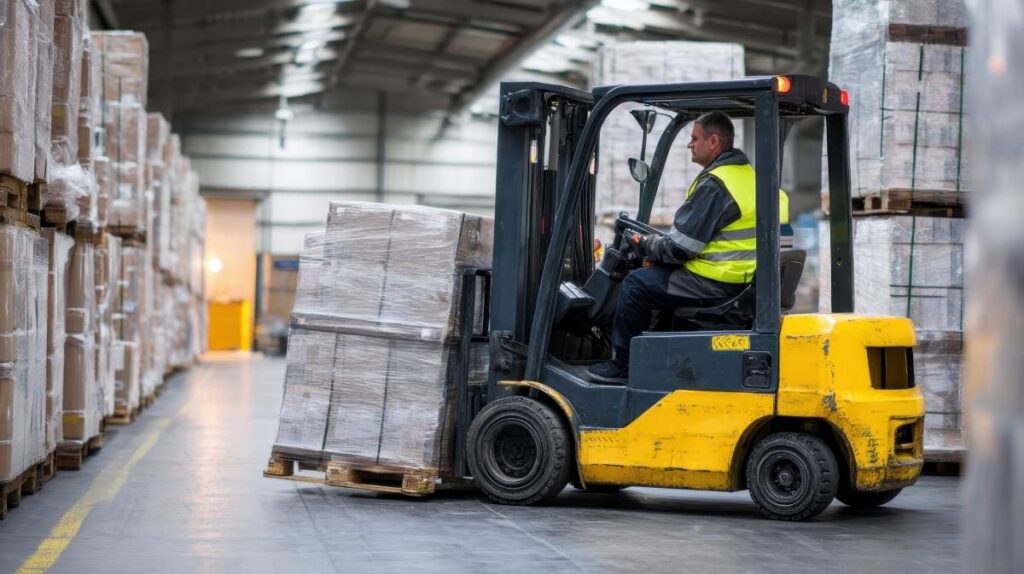
Even if the right forklift is available, it still needs to get to your site.
A supplier with genuine regional coverage and nearby depots will usually be faster than one serving a wide area from a single distant location.
That matters because transport time depends on:
- Distance from the depot
- Driver availability
- Vehicle scheduling
- Site access
- Delivery slot pressure at busy times
So when you ask how fast a forklift can be delivered, a better follow-up question is: how close is the supplying depot to our site?
Site access can also delay delivery
Sometimes the forklift is ready, but the site is not.
Restricted access can slow delivery if the supplier needs to work around:
- Narrow entrances
- Limited unloading space
- Busy loading yards
- Time-restricted delivery windows
- Sites that need special induction or booking procedures
These issues do not always add days, but they can affect how soon the forklift is delivered and ready for work.
Attachments and extras may add time
A forklift may also need more than the base truck itself.
If your operation needs attachments or extras such as:
- Side shift
- Fork positioners
- Clamps
- Special tyre requirements
- Safety lights or alarms
then those details may affect delivery time too.
A truck that is available immediately in standard form may still need extra preparation before it is ready for your site.
Breakdown cover changes what “fast” really means
Fast delivery is important, but so is fast response afterwards.
A forklift arriving quickly is only part of the service. If the truck later develops a fault, the supplier’s breakdown response matters just as much.
That is why businesses should ask not only:
- How soon can you deliver?
but also:
- What happens if the truck goes down?
- How quickly can you send support?
- Is a replacement available if needed?
Speed at the start matters, but speed during the hire or ownership period matters too.
What businesses should do if they need a forklift urgently
If you need a forklift on site as fast as possible, the best approach is to prepare the key details before contacting suppliers.
Be ready to explain:
- Indoor or outdoor use
- Load weight
- Lift height
- Power preference
- Aisle width or site conditions
- Whether the need is temporary or long term
- Your site location
This helps the supplier confirm quickly whether they have the right truck and how soon it can be delivered.
Without those details, valuable time can be lost while the requirement is clarified.
Why flexibility often matters more than ownership speed
In urgent situations, the fastest solution is often to hire first and decide on a longer-term plan later.
That gives the business immediate support without waiting for a permanent purchase decision. It also helps protect operations while the company reviews whether it really needs another truck full time.
For many sites facing urgent demand, forklift hire for industrial operations is the most practical way to get the right machine in place quickly while keeping longer-term options open.
Final thoughts
How quickly forklifts can be delivered to site depends on what you need, where you are, and whether the truck is already available.
Hire is usually the fastest option, especially when the requirement is urgent. Used forklifts can also be delivered quickly if the right stock is already prepared. New forklifts usually take longer, especially where factory orders or specialist specifications are involved.
The main lesson is simple: speed depends on stock, specification, and supplier strength. If the job is urgent, working with a supplier that has real fleet depth, local coverage, and a practical understanding of your application will usually make the biggest difference.