On this page
- What Is Forklift Depreciation and Why It Matters
- Key Factors That Affect Depreciation Rates
- New vs Used Forklifts: Depreciation Compared
- How Fuel Type Influences Long-Term Value
- Ways to Slow Down Depreciation
- Calculating True Cost of Ownership
- Find Quality Forklifts Built to Hold Their Value
- FAQs
- What is forklift depreciation?
- How quickly do forklifts depreciate?
- How can I estimate forklift resale value?
- Do electric forklifts hold their value better than diesel models?
- Can regular maintenance reduce depreciation?
A forklift can be a valuable long-term investment, but its purchase price is only part of the financial picture. As the machine ages and accumulates operating hours, its market value will generally fall. Understanding this process helps businesses plan replacements, compare equipment and make more informed purchasing decisions.
Forklift depreciation is influenced by several factors, including the truck’s age, condition, operating hours, maintenance history and fuel type. Market demand also plays a part, meaning two forklifts of the same age can have quite different resale values.
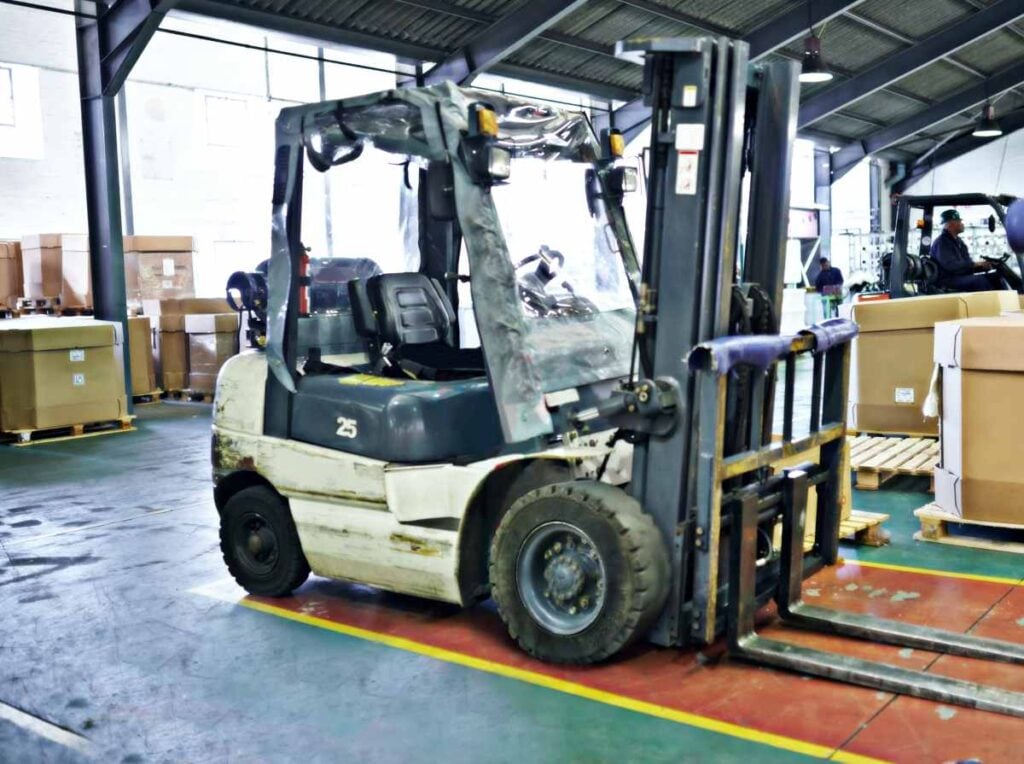
Whether you’re buying your first truck or managing an established fleet, understanding how equipment loses value can help you make decisions that work for your budget today and your business in the years ahead.
What Is Forklift Depreciation and Why It Matters
Forklift depreciation is the reduction in a truck’s value over time. It reflects factors such as ageing, wear and tear, technological changes and the amount buyers are willing to pay for used equipment.
Depreciation matters because it affects the overall cost of owning a forklift. A truck purchased for £25,000 might be worth considerably less when you eventually sell it. Forklift residual values, or the difference between the purchase price and its eventual resale value, represent part of the cost of using that equipment.
For example, if you buy a forklift for £25,000 and later sell it for £8,000, its value has fallen by £17,000. This excludes other ownership costs, such as servicing, repairs, insurance and finance charges.
Depreciation is not always a straight, predictable decline. A machine may lose value relatively quickly during its early years, while its value later depends more heavily on condition, remaining working life and demand for that particular model.
Key Factors That Affect Depreciation Rates
There is no single forklift depreciation rate that applies to every machine. Several factors influence how quickly its value falls and what a future buyer might be prepared to pay.
Age and operating hours: Older forklifts generally have lower market values, but age alone does not tell the whole story. A truck used for a few hours each week may be in better condition than a younger model operating continuously across multiple shifts.
Maintenance history: Regular servicing, prompt repairs and complete maintenance records help demonstrate that a forklift has been cared for properly. Missing records or evidence of neglected maintenance can make buyers more cautious.
Physical condition: Tyres, forks, mast components, hydraulics, batteries and operator controls all influence value. Significant wear or expensive repairs can reduce the price a buyer is willing to offer.
Brand and model: Established manufacturers with good parts availability and strong demand in the used market may attract more buyers. However, reputation alone cannot compensate for poor condition or unsuitable specifications.
Market demand: Popular truck types may retain value better when businesses are actively seeking them. Changes in technology, operating costs or industry requirements can affect demand for particular models.
These factors explain why a forklift’s resale value should be assessed individually rather than estimated from age alone.
New vs Used Forklifts: Depreciation Compared
New forklifts typically experience their greatest reduction in value during their earlier years. Once a machine enters the used market, its value reflects its condition, history and the price buyers are willing to pay for comparable equipment.
Buying used can therefore mean avoiding some of the initial depreciation associated with a new truck. However, an older machine may have more wear, require additional maintenance or offer fewer features than a newer alternative.
Consider these differences:
| Factor | New Forklift | Used Forklift |
| Initial purchase price | Generally higher | Usually lower |
| Early depreciation | Often more pronounced | Some initial depreciation has already occurred |
| Maintenance outlook | Typically starts with less wear | Depends on history and condition |
| Remaining working life | Usually greater at the outset | Varies considerably between machines |
| Resale prospects | Depends on future condition and demand | Depends heavily on age, hours and maintenance |
Neither option is automatically the better investment. A new forklift may offer advantages for demanding operations that need predictable performance, while a well-maintained used model may provide better value where budgets are tighter.
Before purchasing, assess the machine’s service records, operating hours, component condition and suitability for your workload. Our buying a used forklift guide can help you know what to check when evaluating a second-hand truck.
How Fuel Type Influences Long-Term Value
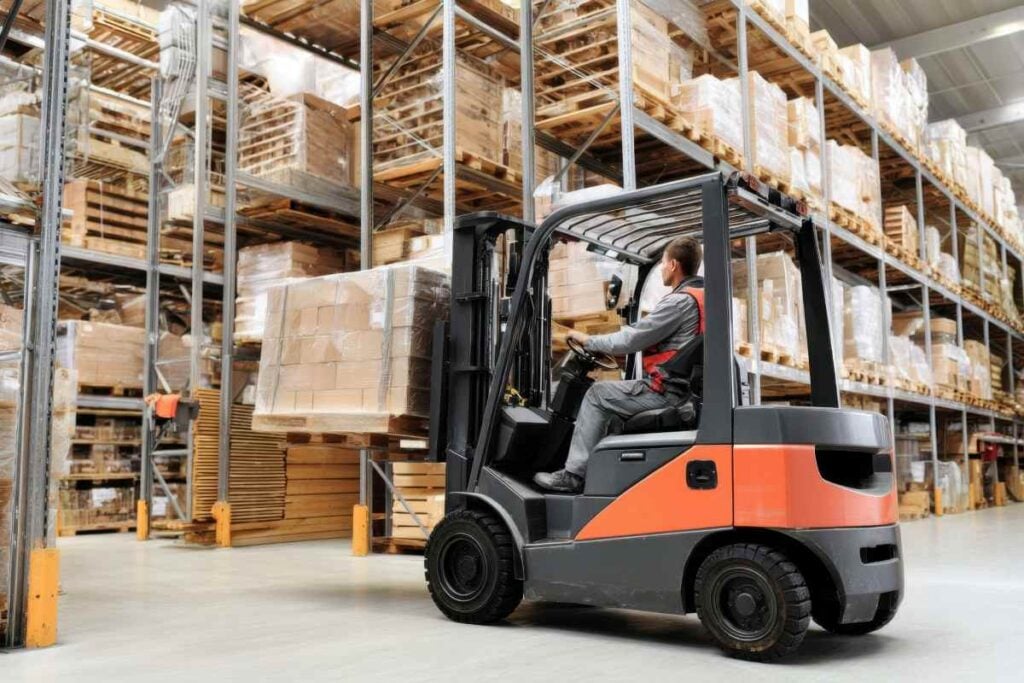
Fuel type can affect a forklift’s running costs and resale appeal, although the impact depends on the application and the condition of the machine.
Electric forklifts are often well suited to indoor warehouses because they produce no exhaust emissions during use and generally operate more quietly than combustion-powered alternatives. Demand for electric equipment can support resale prospects in suitable applications, but battery condition is an important consideration. Replacing a worn battery can represent a substantial expense, particularly if the truck uses a battery system that is costly or difficult to source.
Diesel forklifts are commonly used for outdoor applications and demanding work involving heavy loads or challenging ground conditions. Their value depends on factors such as engine condition, maintenance history and whether buyers need this type of performance. Changes in site requirements and emissions-related restrictions may also affect demand in particular settings.
LPG forklifts can suit some operations that need a combustion-powered truck with greater flexibility between indoor and outdoor work, subject to appropriate ventilation and site safety requirements. Their resale value depends on demand for LPG equipment, the availability of parts and the machine’s overall condition.
Fuel type should therefore be considered alongside purchase price, operating costs and expected use. A truck that suits your working environment is more likely to remain useful throughout its service life, regardless of its power source.
Ways to Slow Down Depreciation
You cannot prevent a forklift from losing value over time, but good equipment management can help preserve its condition and resale appeal.
- Follow a maintenance schedule. Arrange servicing at the recommended intervals and address faults promptly rather than allowing small problems to develop into expensive repairs.
- Keep accurate records. Retain service reports, repair invoices and inspection documentation. A clear history helps prospective buyers understand how the truck has been maintained.
- Train operators properly. Correct operating practices can reduce avoidable impacts, excessive tyre wear and damage caused by unsuitable handling.
- Use the truck appropriately. Check that its capacity, attachments and specifications match the task. Repeated overloading or working in unsuitable conditions can accelerate wear.
- Monitor operating hours. Track usage so you can plan servicing and assess whether a machine remains appropriate for your workload.
- Address visible damage. Repair relevant faults and keep the forklift clean, presentable and in good working order.
It’s also important to plan around the machine’s expected working life. Understanding the average forklift lifespan can help you consider when maintenance costs, reliability and remaining service life might make replacement worth exploring.
Good maintenance does not guarantee a particular resale price, but it can help protect the investment and make the truck more attractive to future buyers.
Calculating True Cost of Ownership
Purchase price alone does not show what a forklift will cost your business over several years. To compare equipment fairly, account for depreciation alongside the other expenses associated with ownership.
A useful starting point is:
Annual depreciation = (Purchase price − Estimated resale value) ÷ Expected years of ownership
For example, suppose a business buys a forklift for £25,000 and expects to sell it for £7,000 after six years.
The calculation would be:
(£25,000 − £7,000) ÷ 6 = £3,000 annual depreciation.
This is a simplified straight-line estimate, not a prediction of the truck’s actual market value each year. Real-world depreciation may be uneven, and the eventual selling price can differ from the estimate.
To calculate a broader cost of ownership, also consider:
- Servicing and routine maintenance.
- Repairs, tyres and replacement parts.
- Battery replacement or fuel and energy costs.
- Insurance and any applicable finance charges.
- Downtime and its effect on productivity.
- The eventual resale price.
Comparing these costs across different models can reveal why the cheapest forklift to purchase is not necessarily the cheapest to operate. A more expensive machine that suits your workload and requires fewer major repairs may offer better value over its working life.
Find Quality Forklifts Built to Hold Their Value
At Acclaim Handling, we help businesses find equipment suited to their operating requirements, whether they need a forklift for warehouse work, manufacturing or outdoor materials handling.
Choosing carefully at the outset can make a difference to long-term value. Our team can help you consider factors such as capacity, lift height, operating environment and expected usage so that the equipment you select is appropriate for the job.
When comparing options, look beyond the initial price. Consider the machine’s condition, maintenance requirements, parts availability and likely usefulness to your business over the coming years. These details can influence both running costs and future resale prospects.
Explore our range of forklift sales to find equipment options for your operation. Whether you’re considering a new truck or a used model, taking the time to compare specifications and expected ownership costs can help you make a more informed decision.
Depreciation is only one part of the investment, but understanding it helps you assess the bigger picture. By selecting suitable equipment, maintaining it properly and planning ahead, you can put your business in a stronger position to manage costs throughout the forklift’s working life.
FAQs
What is forklift depreciation?
Forklift depreciation is the reduction in a truck’s value over time as it ages, accumulates operating hours and experiences wear. Its actual value also depends on condition and market demand.
How quickly do forklifts depreciate?
There is no universal rate. New forklifts often lose value more quickly during their early years, while later depreciation depends on usage, maintenance, specifications and demand for the model.
How can I estimate forklift resale value?
Compare similar models on the used market and account for age, operating hours, service history, component condition and current demand. A professional valuation can provide a more informed estimate.
Do electric forklifts hold their value better than diesel models?
Not always. Electric trucks may be attractive for indoor applications, while diesel models remain useful for certain outdoor tasks. Battery or engine condition, operating requirements and market demand all affect resale value.
Can regular maintenance reduce depreciation?
Good maintenance can help preserve condition and resale appeal, although it cannot prevent depreciation entirely. Keeping service records also gives prospective buyers greater confidence in the machine’s history.