On this page
What Is Forklift Total Cost of Ownership?
Forklift total cost of ownership, often shortened to forklift TCO, covers every cost involved in buying, running, maintaining, and eventually replacing a forklift. It includes the initial purchase price, but also the ongoing expenses that affect your return on investment over time.
- Purchase or finance costs.
- Servicing, maintenance, and repairs
- Fuel, LPG or battery charging costs.
- Operator training and refresher training
- Insurance and risk management
- Attachments, accessories, and workplace modifications
- Downtime, lost productivity, and replacement hire
- Resale value, disposal, or replacement costs
Hidden Costs When Buying a Forklift
Before you invest in a new or used forklift, factor these commonly overlooked costs into your budget.
1. Maintenance and Repair Costs
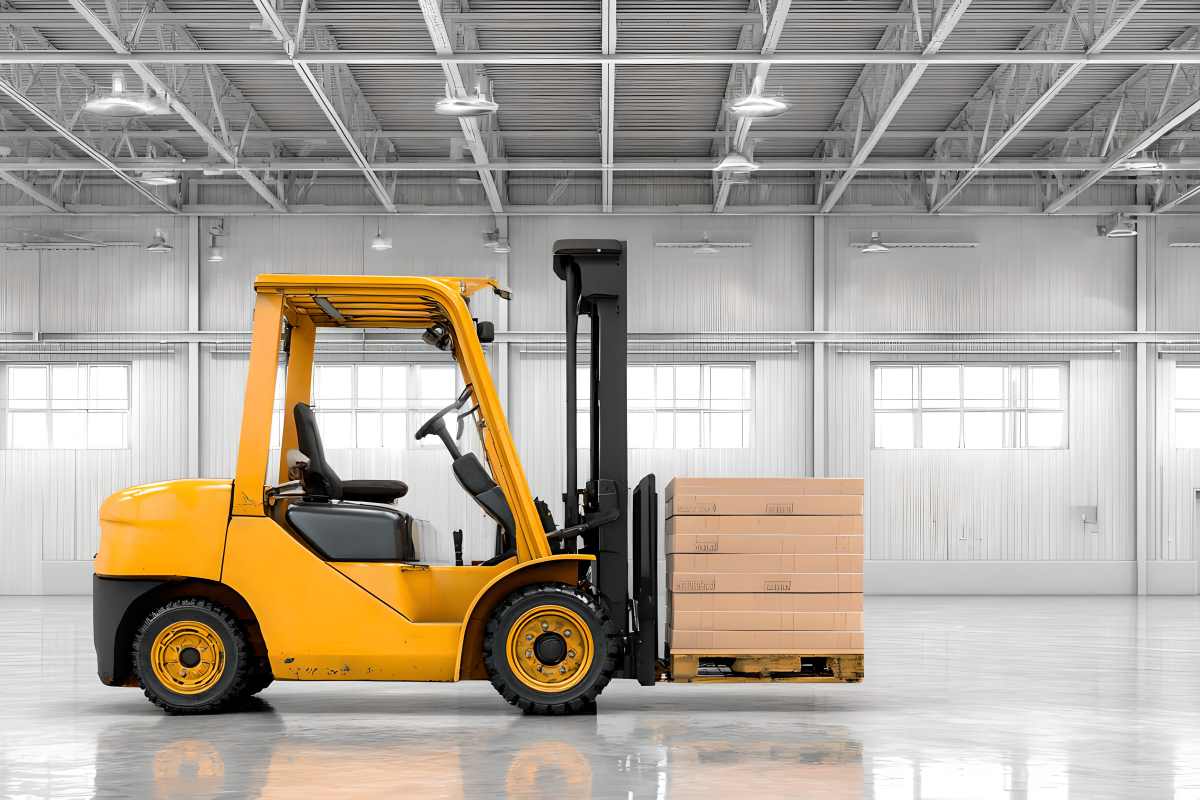
The upfront price is only the beginning. Forklifts need regular servicing, inspections, and replacement parts to stay safe and productive. In busy warehouses, construction sites and industrial yards, heavy use can accelerate wear on tyres, brakes, hydraulics, forks, and batteries.
How to avoid this cost: Ask for the service history before buying a used forklift, check parts availability and compare preventative maintenance plans before committing to a supplier.
2. Fuel, LPG, Battery, and Charging Costs
Your choice of forklift power type will have a major impact on day-to-day running costs. Electric forklifts may require charging infrastructure and eventual battery replacement, while diesel and LPG forklifts are affected by fuel prices and usage levels.
How to avoid this cost: Match the forklift to your working environment. Electric models are often well suited to indoor warehouse use, while diesel or LPG may be better for outdoor or heavy-duty applications. Always calculate energy use based on expected daily operating hours.
3. Operator Training and Compliance Costs
Forklift operators must be trained in order to use lift trucks safely and effectively. In the UK, Health and Safety Executive guidance explains that training should include basic training, specific job training and familiarisation training before an operator is authorised to use a lift truck in the workplace.
How to avoid this cost: Include initial training, refresher training, and site-specific familiarisation in your forklift budget. If you are buying a different truck type or attachment, allow for conversion training too.
4. Insurance and Risk Management
Insurance is another cost that is easy to underestimate. Depending on where and how the forklift is used, you may need cover for accidental damage, theft, public liability, goods in transit, or equipment used by multiple operators.
How to avoid this cost: Get insurance quotes before purchasing, and consider how site security, storage, operator access, and the work environment may affect premiums.
Signs of operator-related costs:
- Excessive wear on tires, forks, or attachments
- Frequent damage to racking or facility infrastructure.
- High incident rate of safety violations
Pro tip: Consider telemetry systems or impact sensors to monitor usage trends and reduce costly behaviours. Go a step further and ensure that all operators have been trained properly as well.
5. Inefficient Fleet Sizing and Utilization
Owning too many, or too few, forklifts leads to wasted capital or overloaded assets.
Common issues:
- Underused trucks draining capital.
- Equipment is overworked beyond its rated duty cycles.
- Seasonal spikes are unaccounted for in planning.
Fix it: A comprehensive fleet cost analysis helps right-size your fleet and improve ROI.
6. Lack of Lifecycle Planning
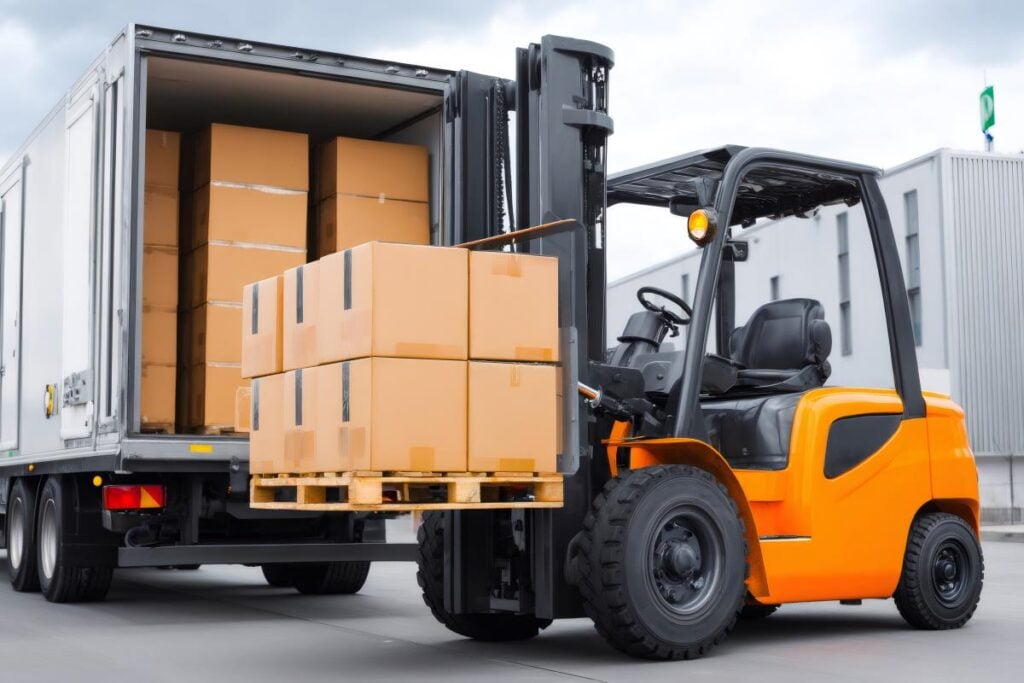
Every forklift has a sweet spot for replacement. Run it too long, and repairs outweigh value. Replace it too soon, and you lose potential ROI.
Lifecycle costs you may miss:
- Rising cost-per-hour as equipment ages
- Declining resale or trade-in value
- Higher emissions or compliance issues
What to do: Create a fleet lifecycle management strategy to evaluate optimal replacement timing.
How to Eliminate These Hidden Costs
The good news? You can take back control with a few smart changes, many of which do not require massive upfront investment.
1. Conduct a Fleet Cost Analysis
Start with a deep dive into your fleet’s operating costs, utilization, age profile, and maintenance records.
Benefits of fleet cost analysis:
- Identifies underperforming or redundant units.
- Pinpoints expensive maintenance patterns
- Quantifies cost-per-hour across the fleet.
Partnering with a third-party fleet consultant can provide objective insights and uncover patterns you may be too close to see.
2. Centralize Maintenance and Vendor Oversight
Standardize your maintenance approach across all sites, assets, and vendors. This reduces variance and increases predictability.
Best practices:
- Digitally track service history
- Vet vendors for consistent performance.
- Set maintenance KPIs (like cost-per-hour or cost-per-repair)
3. Optimize Fleet Size and Equipment Mix
Match your forklift fleet to your actual operational needs.
Tactics to consider:
- Reassign equipment based on usage.
- Replace older units with multi-purpose models.
- Use leasing or rentals to handle peak seasons.
4. Implement Telematics and Utilization Tracking
Modern telematics systems can give you real-time data on usage, idle time, safety events, and maintenance needs.
Top benefits:
- Reduce wear and tear from misuse.
- Proactively identify maintenance needs
- Improve operator accountability.
And when paired with consulting support, that data becomes actionable insight.
5. Plan for Lifecycle Transitions
Do not guess when to replace a forklift, use data.
Lifecycle planning includes:
- Total cost per hour benchmarks
- Predicted residual value.
- Equipment health scores
A fleet partner can help build a roadmap for replacements, rebuilds, or retirements that align with your budget and performance goals.
Why Fleet Optimization Is Not One-Size-Fits-All
Every operation is unique. Facilities vary in layout, usage intensity, product flow, and shift schedules. That is why forklift fleet management needs to be tailored.
Working with a fleet consulting partner helps you:
- Benchmark your operation against industry standards.
- Apply data-driven strategies to reduce forklift expenses.
- Improve decision-making across procurement, safety, and operations.
Take Control of Your Forklift Costs
When it comes to forklifts, the costs you do not see can be the most damaging. By understanding and managing your forklift total cost of ownership, you can reduce waste, extend asset life, and make more informed decisions.
1. Maintenance & Repairs
The upfront price is just the beginning. Forklifts require regular servicing, including oil changes, brake checks, and part replacements. Older or heavily used machines can quickly rack up repair bills. Check service history and availability of parts before buying.
2. Battery or Fuel Costs
- Electric forklifts: Battery replacement can cost thousands and typically lasts 4–6 years. Charging infrastructure also adds cost.
- Diesel/LPG forklifts: Ongoing fuel expenses fluctuate and can be significant over time.
- Factor in long-term energy costs based on usage.
3. Operator Training & Certification
In the UK, operators must be professionally trained to comply with HSE regulations. If your team is not certified, training courses will be an added expense. Budget for initial training and periodic refreshers.
4. Insurance
Forklift insurance is not always included in your initial calculations. You will need coverage for:
- Damage
- Theft
- Liability (especially if used in public or shared spaces)
- Get quotes early to avoid surprises.
5. Attachments & Customisation
Standard forks may not be enough depending on your operation. Attachments like:
- Sideshifters
- Fork positioners
- Clamps
…can significantly increase the total cost. Identify operational needs upfront to avoid last-minute add-ons.
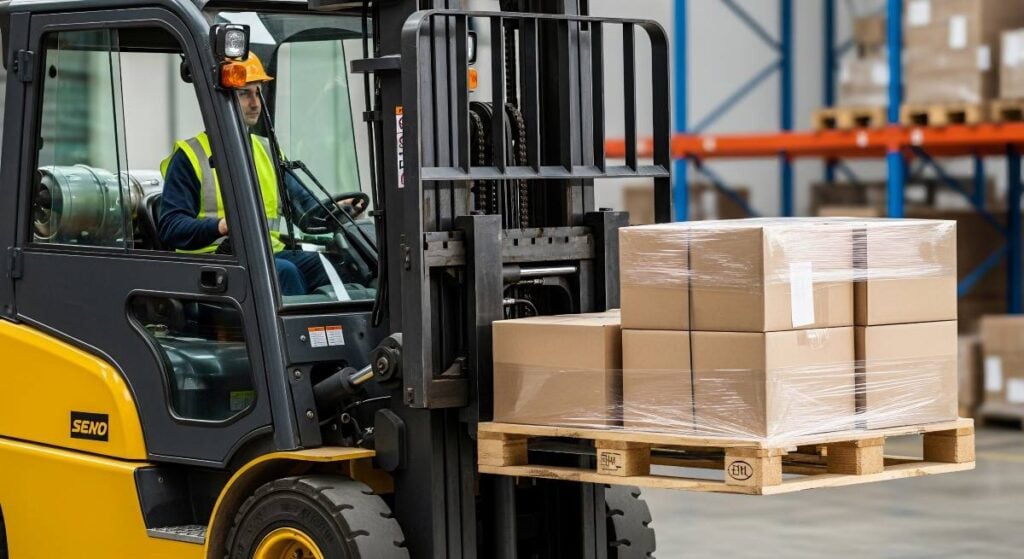
5 Hidden Costs When Buying a Forklift (Construction & Warehousing Guide)
When investing in a forklift for construction sites, warehouses, or industrial operations, most buyers focus on the upfront purchase price. However, the true cost of ownership goes far beyond the initial investment. Failing to account for hidden costs can lead to unexpected expenses, reduced productivity, and operational downtime.
Here are five often-overlooked costs that construction managers, warehouse operators, and logistics professionals should factor in before purchasing a forklift.
1. Maintenance & Repairs in High-Demand Environments
In construction and warehouse settings, forklifts rarely go underused. Rough terrain, heavy loads, and long operating hours accelerate wear and tear on key components such as tyres, hydraulics, and brakes.
- Construction sites: Dust, debris, and uneven ground increase strain on parts and lead to more frequent servicing.
- Warehousing: Continuous daily use can result in higher servicing intervals and quicker part replacement cycles.
Without a proper maintenance plan, repair costs can quickly escalate—especially for older or second-hand machines.
What to consider:
- Availability and cost of spare parts
- Service intervals based on usage intensity
- Access to local support and engineers
2. Energy & Fuel Costs Based on Application
The type of forklift you choose will directly impact your ongoing operating costs.
- Electric forklifts (common in warehouses):
While quieter and emissions-free, they require battery charging infrastructure. Battery replacement (typically every 4–6 years) can be a significant expense. - Diesel or LPG forklifts (common in construction):
Better suited for outdoor and heavy-duty tasks, but fuel costs fluctuate and can become a major long-term expense.
What to consider:
- Daily operating hours
- Indoor vs outdoor use
- Energy efficiency of the model
Choosing the wrong power type for your environment can increase costs unnecessarily.
3. Operator Training & Compliance (UK Regulations)
In both construction and warehousing, forklift operation must comply with UK Health & Safety Executive (HSE) guidelines. This means all operators must be professionally trained and certified.
If your workforce is not already qualified, you will need to budget for:
- Initial operator training
- Refresher courses
- Site-specific familiarisation
For construction firms, this is especially important due to stricter site safety requirements and higher risk environments.
What to consider:
- Training provider costs
- Time lost during training periods
- Ongoing compliance requirements
4. Insurance & Risk Management
Forklifts operating in busy warehouses or active construction sites carry inherent risk. Insurance is essential but often underestimated in cost planning.
Typical coverage includes:
- Accidental damage
- Theft (especially for site-based equipment)
- Public liability
Construction environments may attract higher premiums due to increased risk factors such as uneven terrain, outdoor exposure, and multiple contractors on-site.
What to consider:
- Type of work environment
- Number of operators
- Security measures in place
5. Attachments & Job-Specific Requirements
Many buyers assume a standard forklift setup will meet all operational needs—but this is rarely the case in real-world applications.
- Warehousing:
Attachments like sideshifters and fork positioners improve efficiency and reduce manual handling time. - Construction:
Specialised attachments such as clamps or extended forks may be required when handling unconventional loads.
While these upgrades improve productivity, they can significantly increase your initial investment.
What to consider:
- The nature of loads being handled.
- Frequency of attachment use
- Compatibility with your forklift model
Bonus Cost: Downtime & Lost Productivity
The most expensive hidden cost is downtime. A forklift out of action can delay projects, disrupt warehouse operations, and impact delivery schedules.
In construction, delays can affect entire project timelines. In warehousing, it can slow order fulfilment and reduce efficiency.
What to consider:
- Warranty coverage
- Access to replacement equipment
- Preventative maintenance plans
Final Thoughts
For construction companies and warehouse operators, a forklift is more than just a purchase—it is a long-term operational asset. Understanding the full cost of ownership allows you to make smarter decisions, avoid unexpected expenses, and maximise return on investment.
Before you commit to buying a forklift, take time to review the full cost of ownership — not just the purchase price. If you need help choosing the right forklift for your site, workload and budget, speak to our team for practical advice on new, used and hire options that can support your operation without unnecessary hidden costs.
| Hidden cost | Why it matters | How to avoid or reduce it |
| Maintenance and repairs | Regular servicing, inspections, and replacement parts can increase lifetime costs, especially in high-use warehouses, yards, and construction sites. | Check service history, parts availability, and supplier support before buying, and compare preventative maintenance plans. |
| Fuel, LPG, battery, and charging costs | The forklift power type affects daily running costs, charging infrastructure, battery replacement, and exposure to fluctuating fuel prices. | Match the power type to the working environment and calculate costs based on expected daily operating hours. |
| Operator training and compliance | UK operators need suitable basic, job-specific and familiarisation training, with refresher or conversion training where required. | Budget for initial training, refreshers, site familiarisation, and any training needed for new truck types or attachments. |
| Insurance and risk management | Cover may be needed for damage, theft, public liability, and multi-operator use, with premiums affected by site risk and security. | Get quotes before purchase and review storage, access control, site security, and operator management to reduce risk. |
| Attachments and customisation | Standard forks may not meet every operational need, and extras such as sideshifters, fork positioners, clamps or extended forks can add cost. | Identify load types, attachment frequency, and compatibility requirements before choosing a model. |
| Downtime and lost productivity | Breakdowns can delay projects, slow order fulfilment, and create replacement hire or productivity costs. | Use preventative maintenance, warranty cover, supplier support, and access to replacement equipment to limit disruption. |
| Fleet sizing and lifecycle planning | Too many forklifts wastes capital, too few overloads your assets, and poor replacement timing can increase cost per hour. | Run a fleet cost analysis, track utilisation and plan replacements using cost-per-hour, residual value and equipment health data. |