On this page
- Why asking questions matters before you hire
- What type of forklift is right for my job?
- Is the forklift fully inspected and well maintained?
- What is included in the rental price?
- What are the rental terms and responsibilities?
- What happens if the forklift breaks down?
- Are my operators properly covered to use the truck?
- Can the rental be adjusted if my needs change?
- How quickly can you deliver the right truck?
- What a good forklift rental company should offer
- Common mistakes to avoid
- Final thoughts
Hiring a forklift can be a smart way to handle busy periods, short-term projects, breakdown cover, or specialist jobs without buying another machine. But not every rental agreement is as simple as it first looks.
The right truck can keep your operation moving. The wrong one can lead to downtime, extra costs, and site safety problems. That is why it helps to ask the right questions before you agree to anything.
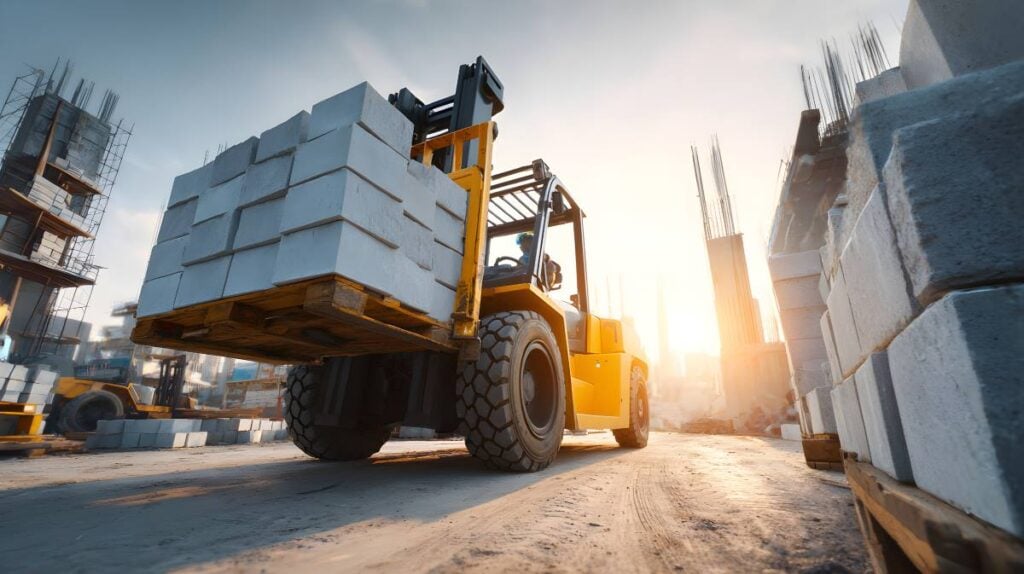
These eight questions will help you choose more carefully and avoid common forklift hire mistakes.
Why asking questions matters before you hire
A forklift rental is not only about getting a machine delivered to site. You also need to think about:
- Whether the truck is right for the job
- What happens if it breaks down
- What is included in the rental price
- Who is responsible for damage, checks, and servicing
- How quickly the supplier can respond if plans change
This is why it also helps to understand the important things to be aware of before renting a forklift before you sign an agreement.
What type of forklift is right for my job?
This is the first question to ask, because the cheapest or most available truck is not always the right one.
A good rental company should ask about:
- Indoor or outdoor use
- Load weights
- Lift height
- Aisle width
- Ground conditions
- Shift length
- Fuel or power preference
For example, an electric forklift may be a better fit for indoor warehouse use, while a diesel model may suit rougher outdoor work better. If your supplier does not ask about the actual job, there is a risk they are giving you a standard answer instead of the right one.
Is the forklift fully inspected and well maintained?
A rental forklift should arrive in safe working condition, with checks and maintenance already up to date.
Ask the rental company:
- Whether the truck is inspected before delivery
- If servicing records are available
- Whether the truck has had any recent repairs
- What condition the tyres, forks, mast, and controls are in
A well-maintained truck is less likely to break down and cause disruption. It also gives your operators more confidence and reduces avoidable safety issues.
When the forklift arrives, inspect it carefully and record any marks, damage, or defects straight away. Make sure both sides have a copy of the handover record.
What is included in the rental price?
Rental prices can look straightforward at first, but the full cost is not always obvious unless you ask.
Check whether the quoted price includes:
- Delivery and collection
- Servicing
- Breakdown cover
- Repairs for normal faults
- Replacement if the truck fails
- Attachments if needed
You should also ask what is not included. Some costs only appear later if the contract is not clear, especially around accidental damage, tyre wear, lost time, or operator misuse.
A reliable supplier should explain the pricing clearly before you commit.
What are the rental terms and responsibilities?
Never hire a forklift on a spoken agreement alone. Always ask for a written contract and read it properly.
Important points to check include:
- Rental start and end dates
- Extension options
- Early return terms
- Who is responsible for daily checks
- Who arranges servicing access
- What happens if the truck is damaged
- What counts as fair wear and tear
This is one of the most important parts of the whole process. A forklift may seem affordable at the start, but unclear terms can lead to expensive surprises at the end of the hire.
What happens if the forklift breaks down?
Even a well-kept machine can sometimes fail. What matters is how quickly the rental company responds.
Ask:
- Is breakdown cover included?
- How fast can an engineer attend?
- Is there a replacement truck if the repair takes time?
- Do you offer emergency support during working hours?
If your site depends on that truck every day, a slow response can be very costly. Lost loading time, delayed deliveries, and idle staff often cost more than the repair itself.
A good rental company should have a clear plan for getting you running again quickly.
Are my operators properly covered to use the truck?
Hiring a forklift does not remove your responsibility for safe use.
You should ask yourself, and the supplier if needed:
- Are your operators trained for that truck type?
- Do they understand the controls and safe use requirements?
- Will the site conditions suit the truck?
- Does the supplier offer training if needed?
Do not assume that because someone has driven one forklift, they can use every model safely. Different trucks can handle very differently, especially if attachments, mast heights, or fuel types change.
A hire company should also be able to explain any model-specific points your team should know before use.
Can the rental be adjusted if my needs change?
Hire often starts for one reason, then changes as the job develops.
You may need:
- A longer hire period
- A bigger truck
- A different mast height
- An attachment added later
- Another machine at short notice
Ask the supplier how flexible they are if your needs change. A good rental company should be able to support changes without making the process difficult.
This matters even more if you are hiring for seasonal work, site expansion, or a contract with uncertain timescales.
How quickly can you deliver the right truck?
Speed matters, especially if you are hiring because of a breakdown, urgent order, or sudden increase in workload.
Ask:
- Is the forklift available now?
- How quickly can it be delivered?
- Do you offer next-day or same-day delivery?
- Can you deliver to my site location without delay?
A wide fleet means little if the truck you need cannot reach you when you need it.
This is where working with a supplier that already offers industrial vehicle rental services for warehouses can make a real difference. Quick access to the right machine helps reduce disruption and keeps the job moving.
What a good forklift rental company should offer
Once you step back from the individual questions, the bigger picture becomes clearer.
A strong rental company should give you:
- Clear advice on the right truck
- Honest pricing
- Written terms
- Well-maintained equipment
- Fast support if problems happen
- Flexibility if your needs change
If you are not getting clear answers, that is often a warning sign in itself.
Common mistakes to avoid
Asking the right questions also helps you avoid some common hire mistakes, such as:
- Choosing only on price
- Hiring the wrong forklift type for the site
- Skipping the delivery inspection
- Ignoring contract terms
- Letting untrained operators use the truck
- Leaving minor damage or faults unreported
These small mistakes often lead to larger costs later.
Final thoughts
Hiring a forklift can be a practical and cost-effective decision, but only if the agreement, machine, and support all match the job you need to do.
The best approach is to ask clear questions before the truck arrives, not after something goes wrong. If you understand the machine, the contract, the service support, and your own responsibilities, you are far more likely to get a hire that works smoothly from start to finish.
A forklift rental should make your operation easier, not more complicated. The right questions help make sure it does.