When a warehouse or yard gets busier, one question often comes up quickly: do we need another forklift, or do we just need to use the fleet better?
That is an important decision. An extra forklift can improve productivity, reduce delays, and make the operation safer. But adding another truck too early can create avoidable costs. The best choice usually comes from looking at workload, downtime, maintenance, and future demand rather than reacting to one busy week.
This guide explains the main signs that it may be time to add another forklift and how to think through the decision properly.
Why this decision matters
A forklift is not only a piece of equipment. It is part of the flow of the whole operation.
If there are not enough trucks available, businesses may start to see:
- Slower loading and unloading
- Delays moving stock
- Operators waiting for equipment
- More pressure on older trucks
- Missed deadlines during busy periods
- Higher labour costs caused by inefficiency
On the other hand, adding another forklift without a clear reason can tie up budget and leave equipment underused for long periods.
That is why the goal is not simply to own more trucks. It is to have the right amount of handling capacity for the work you need to do.
One of the clearest signs is rising demand
The most obvious reason to add another forklift is that the business cannot keep up with demand using the current fleet.
This may happen because of:
- More customer orders
- A new contract
- Seasonal demand peaks
- Increased stock movement across the warehouse
- More loading and unloading at certain times of day
If staff are regularly struggling to hit targets, and the delay is clearly linked to limited forklift availability, another truck may be the right next step.
This is especially common in retail, warehousing, logistics, manufacturing, and agriculture, where demand can rise sharply over a short period.
Seasonal pressure may not justify buying outright
Not every increase in demand means you need to buy another truck straight away.
Some businesses only need extra capacity during certain times of the year, such as:
- Christmas and holiday peaks
- Black Friday and promotional periods
- Harvest seasons
- Temporary production increases
- Time-limited contracts
In those cases, short-term hire may be the more sensible option. It gives you extra capacity without committing to another full-time fleet asset.
If your increase in workload is temporary or hard to predict, it is worth looking at forklift rental for seasonal demand before deciding to buy.
Older forklifts breaking down more often is another warning sign
Sometimes the issue is not only demand. It is the condition of the existing fleet.
If older forklifts are starting to fail more often, you may already be running with less real capacity than you think.
Frequent breakdowns can lead to:
- Lost working hours
- Disrupted loading schedules
- More pressure on the remaining trucks
- Rising repair costs
- Lower operator confidence
A forklift that is often out of service is no longer supporting the business properly. If you are regularly dealing with downtime from older trucks, bringing in another forklift may relieve pressure while you decide whether to repair, replace, or retire the ageing machine.
Decreased efficiency often shows up before a full bottleneck
In some operations, the warning signs appear gradually.
You may notice:
- Loads taking longer to move than they used to
- More waiting time between tasks
- Operators crossing paths more often
- Congestion in loading or storage areas
- More missed pick or dispatch windows
These signs matter because they often mean the fleet is no longer sized well for the workload.
Even if the business is still functioning, reduced efficiency can slowly raise labour costs and reduce overall output. Adding the right truck at the right time can remove those delays before they become a bigger problem.
Rising maintenance costs can point to the same answer
A forklift does not need to break down completely before it starts costing too much.
If servicing and repair bills are rising sharply, that may suggest the current fleet is being pushed too hard or that one truck is no longer economical to rely on.
Watch for patterns such as:
- The same truck needing repeated repairs
- More emergency callouts between planned services
- Higher parts spending on older units
- More engineer time than usual
In some cases, another forklift can give the business breathing room while reducing stress on the rest of the fleet.
Safety can become a bigger issue when fleet capacity is too tight
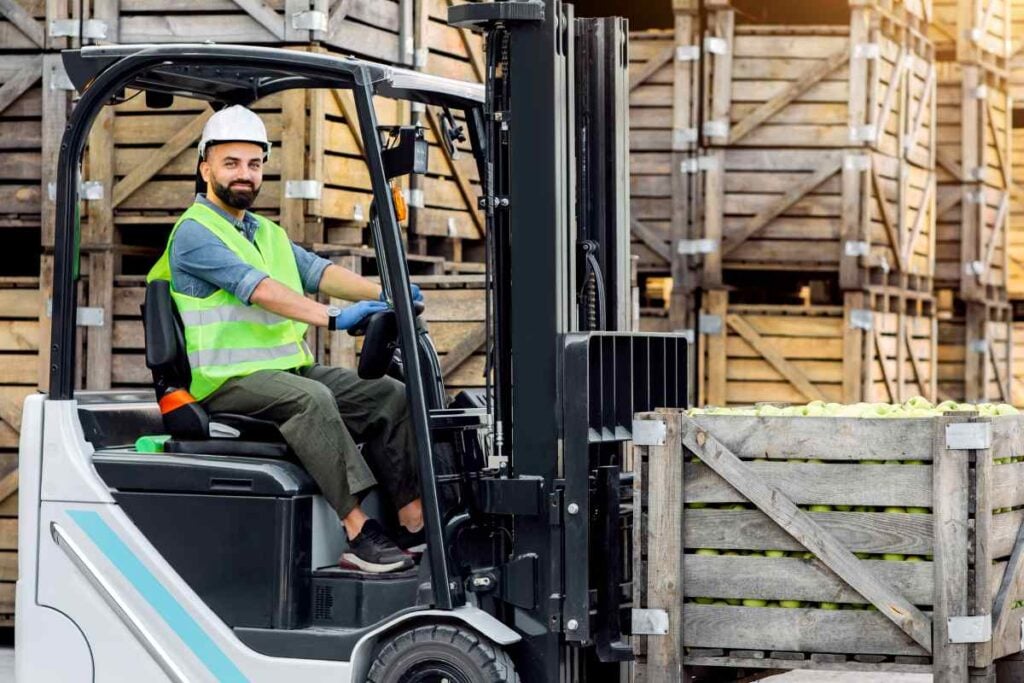
A shortage of forklifts does not only affect speed. It can affect safety too.
When businesses are stretched, there is often more pressure to:
- Rush tasks
- n- Use the wrong truck for the job
- Delay maintenance
- Keep an unreliable machine in use
- Move loads in busier conditions than planned
That is when the risk of accidents, damage, and unsafe decision-making starts to rise.
If your current fleet is creating pressure that affects safe operation, another truck may not be a luxury. It may be a practical safety step.
Future growth may justify adding one before problems begin
Sometimes the best time to add another forklift is before the operation reaches a breaking point.
For example, you may already know that:
- A new client is about to start
- Export or dispatch volume is increasing
- A site expansion is underway
- Stock holding is rising
- New racking or warehouse space is being introduced
If that future demand is already clear, waiting until the current fleet is overwhelmed can cause avoidable delays.
Adding capacity early can help the business handle growth more smoothly and avoid a rushed decision later.
Look at utilisation, not just ownership
One of the most useful checks is how often your existing forklifts are actually in use.
Ask questions like:
- Are trucks in near-constant use during key shifts?
- Do operators regularly wait for one to become available?
- Is one truck doing far more work than the others?
- Are there repeated periods of congestion around one part of the site?
If the answer to these questions is yes, it often means utilisation is already too high.
That does not automatically mean buying another truck, but it does mean the current setup may no longer be enough.
Make sure the problem is really fleet size
Before adding another forklift, it is worth checking whether the issue is truly a shortage of trucks or a wider operational problem.
For example, delays may actually come from:
- Poor warehouse layout
- Congested aisles
- Poor traffic flow
- Incorrect truck type for the job
- Operators using time inefficiently
- Maintenance delays reducing availability
If the real issue is layout or process, an extra truck alone may not solve it.
The right decision comes from understanding whether the operation needs more equipment, different equipment, or better use of the equipment already on site.
Hire, buy new, or buy used?
Once it is clear that you do need another forklift, the next question is what kind of solution fits best.
Hire may suit you if:
- Demand is seasonal
- The contract is temporary
- You need a stopgap while another truck is repaired
- You want flexibility before making a long-term decision
Buying may suit you if:
- The increase in workload is permanent
- The truck will be used daily
- The business is expanding long term
- Fleet reliability needs a permanent boost
A good supplier can help you compare these options properly rather than pushing one route by default.
If your business is ready to expand fleet capacity for the longer term, Acclaim offers quality material handling equipment across a wide range of applications, fuel types, and operational needs.
Questions to ask before making the decision
Before adding another forklift, it helps to ask:
- Is the demand increase temporary or ongoing?
- Are current delays clearly linked to forklift availability?
- Are older trucks causing too much downtime?
- Would another truck improve safety as well as speed?
- Is the current truck type still right for the site?
- Would hire give enough flexibility at this stage?
These questions help move the decision away from guesswork and towards a practical business case.
Final thoughts
The clearest sign that you need an extra forklift is when the current fleet can no longer support the workload safely and efficiently.
That may show up through rising demand, repeated breakdowns, lower productivity, higher maintenance costs, or pressure from future growth. In some cases, the right answer is to hire. In others, it is to buy.
The key is to look beyond one busy day and assess what the operation really needs. When the signs are clear, adding another forklift can improve flow, protect productivity, and help the business grow with less strain.

Related Posts
The True Cost of Delaying a Forklift Repair
How Forklift Rentals Help Warehouses Stay Flexible
Top Industries that Benefit from Forklift Hire
How Warehousing Demands Are Changing Forklift Requirements
10 Useful Forklift Attachments for Safer, More Efficient Material Handling