On this page
- 1. Frequent Breakdowns Are Disrupting Operations
- 2. Maintenance Costs Are Rising Year After Year
- 3. Safety Features No Longer Match Modern Expectations
- 4. Operators Are Reporting Comfort or Handling Issues
- 5. Fuel, Battery or Energy Performance Is Declining
- 6. Your Operation Has Changed but the Fleet Has Not
- 7. Utilisation Data Shows Hidden Inefficiencies
- 8. Sustainability and Indoor Air Quality Are Business Priorities
- How to Decide Whether to Repair, Replace or Reconfigure
- Final Thoughts
- Blog Summary Table
Forklifts are the backbone of many warehouse, logistics, manufacturing and distribution operations. They keep goods moving from delivery bays to racking, from storage zones to production lines, and from picking areas to dispatch. When a forklift fleet is working well, it often goes unnoticed because jobs are completed on time, operators can work confidently, and the wider operation flows without unnecessary interruptions.
However, when a fleet begins to age, the impact can be felt across the entire site. Breakdowns interrupt loading schedules, maintenance costs become harder to predict, operators may become frustrated with unreliable equipment, and safety risks can increase. At the same time, newer forklift models now offer improved energy efficiency, better ergonomics, cleaner power options and smarter technology. This means the question is not simply whether an old truck still runs, but whether the fleet is still supporting the business in the most efficient, safe and cost-effective way.
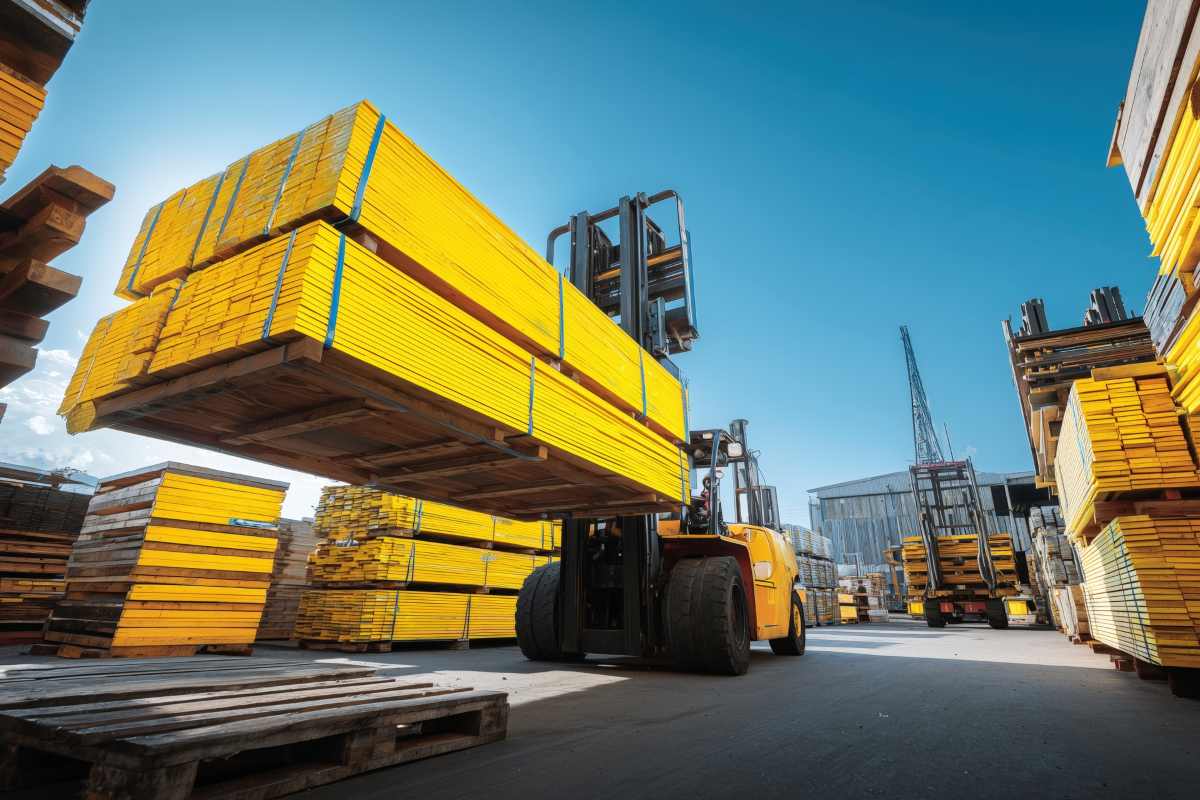
Deciding when to upgrade your forklift fleet can feel like a major investment decision, especially when budgets are tight and day-to-day operations cannot afford disruption. Yet delaying the decision for too long can create hidden costs that are just as significant as the price of replacement equipment. The following signs can help you assess whether your current fleet is still fit for purpose or whether now is the right time to modernise.
1. Frequent Breakdowns Are Disrupting Operations
One of the clearest indicators that a forklift fleet is reaching the end of its economic life is a pattern of frequent breakdowns. Every forklift will require servicing and occasional repair, but repeated callouts, recurring hydraulic faults, battery issues, engine problems or unexpected downtime can quickly become a drain on productivity. When a truck is unavailable, tasks still need to be completed, which often means work is delayed, another machine is stretched beyond its intended workload, or employees must rearrange their priorities at short notice.
The true cost of a breakdown is rarely limited to the repair invoice. It may also include missed delivery windows, reduced picking performance, overtime, temporary hire charges, damaged stock, and pressure on customer service teams. If breakdowns are becoming part of the normal routine rather than an occasional inconvenience, it is worth reviewing whether continued repair is still the best financial decision.
2. Maintenance Costs Are Rising Year After Year
Older forklifts typically require more maintenance as parts wear; components fatigue and performance becomes less consistent. In some cases, replacement parts for older models can become harder to source, increasing both cost and lead times. A fleet that once seemed economical can gradually become expensive to keep operational, especially if several trucks require attention at the same time.
Tracking maintenance spend over time is a useful way to identify this trend. If repair bills are increasing, if downtime is becoming more frequent, or if planned servicing is regularly uncovering additional faults, your fleet may no longer be delivering good value. Modern forklifts, particularly electric models with fewer moving engine parts, can reduce maintenance requirements and offer more predictable running costs. A planned upgrade through hire or purchase can therefore be easier to budget for than continuing with reactive repairs.
3. Safety Features No Longer Match Modern Expectations
Safety should be one of the most important factors in any fleet decision. Lift trucks are powerful machines operating in busy environments, often near pedestrians, racking, loading bays and valuable stock. The Health and Safety Executive notes that lift trucks are involved in around a quarter of workplace transport accidents, which underlines how important, good management, training, maintenance and suitable equipment are in reducing risk.
Older forklifts may lack safety features that are now common on newer models, such as improved visibility, better stability systems, speed control, operator presence systems, enhanced braking, warning lights or more effective load handling controls. Even if those machines are technically still usable, they may not provide the same level of support for operators working in fast-moving warehouse environments. If your team is relying on workarounds, extra supervision or cautious handling because the trucks feel outdated, an upgrade may be a proactive way to reduce risk.
4. Operators Are Reporting Comfort or Handling Issues
Forklift operators are often the first people to notice when equipment is no longer performing as it should. They can usually identify subtle changes in handling, steering, braking, lift response, visibility or battery performance before these become obvious to managers. Ignoring this feedback can mean missing early signs of wear or suitability issues.
Comfort also matters. Operators who spend long shifts in poorly designed or ageing equipment may experience fatigue, reduced concentration and lower job satisfaction. Modern forklifts are typically designed with improved ergonomics, easier controls, clearer displays, better seating, reduced vibration and improved visibility. These benefits can support productivity as well as wellbeing. If operators are consistently raising concerns about comfort, manoeuvrability or confidence in the equipment, those concerns should form part of the fleet replacement discussion.
5. Fuel, Battery or Energy Performance Is Declining
Rising fuel or energy consumption is another sign that a forklift fleet may be becoming inefficient. Older diesel or LPG forklifts can use more fuel as engines age and components wear. Electric forklifts can also lose efficiency if batteries are no longer holding charge properly, charging cycles are poorly managed, or run times are becoming shorter than operational demand requires.
Energy efficiency is increasingly important for businesses managing tight margins and sustainability targets. Newer electric forklifts, particularly those using lithium-ion battery technology, can offer faster charging, opportunity charging, quieter operation and lower maintenance requirements than many traditional internal combustion models. For indoor environments, electric models also remove tailpipe emissions, helping to improve air quality and create a cleaner working environment.
6. Your Operation Has Changed but the Fleet Has Not
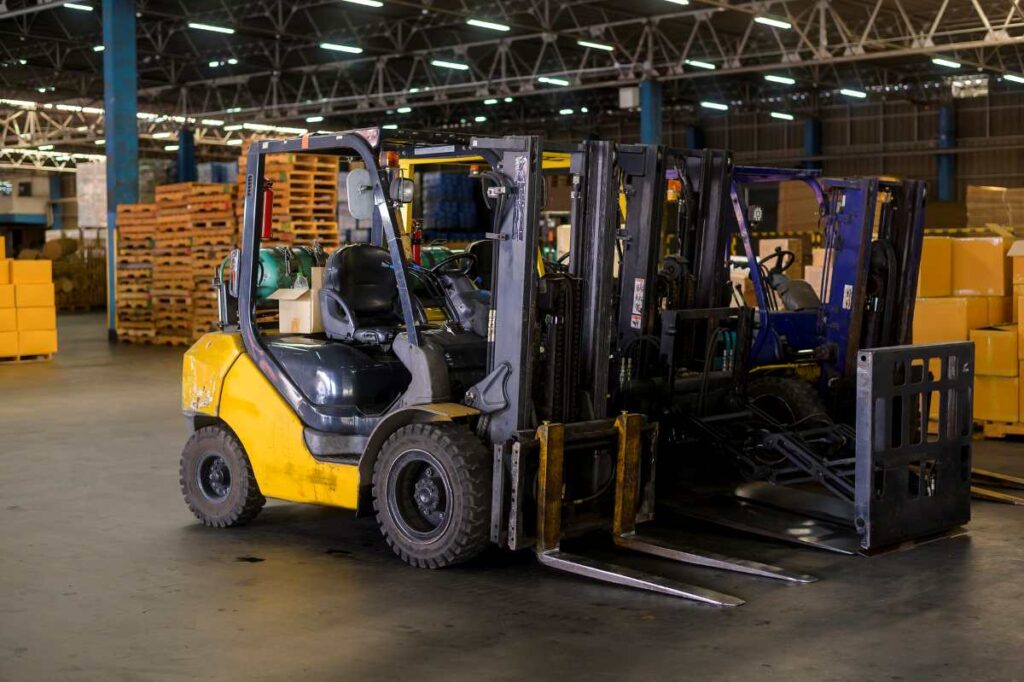
Many businesses outgrow their forklift fleet gradually. A warehouse may add new racking, increase stock volume, introduce heavier loads, expand shifts, change packaging, move into narrower aisles or adopt new picking processes. If the fleet remains unchanged while the operation evolves, trucks that were once perfectly suitable may become inefficient or even inappropriate for the job.
For example, a large counterbalance forklift may be unnecessary and inefficient in a confined warehouse where a more compact warehouse truck would improve manoeuvrability. Likewise, an older truck may not lift high enough for updated racking, may struggle with heavier pallets, or may not be suitable for the speed of a growing operation. A fleet review can help identify whether each truck still matches the tasks it is expected to perform.
7. Utilisation Data Shows Hidden Inefficiencies
Some fleet problems are obvious, but others are hidden in day-to-day usage patterns. You may have trucks that are underused, others that are overworked, or models that are regularly assigned to tasks they were not designed for. Without reviewing utilisation data, it can be difficult to see whether the issue is the age of individual trucks, the size of the fleet, or the mix of equipment types.
Useful indicators include hours run, downtime, repair frequency, battery or fuel usage, peak demand periods, operator feedback and accident or damage reports. This information can help you right-size the fleet, so you are not paying to maintain surplus equipment or relying too heavily on too few machines. In some cases, upgrading does not necessarily mean replacing every forklift like-for-like. It may mean moving to fewer, better-specified trucks that are better suited to your site.
8. Sustainability and Indoor Air Quality Are Business Priorities
Sustainability is now a practical operational consideration, not just a brand statement. Customers, employees and stakeholders increasingly expect businesses to reduce emissions, improve energy efficiency and make responsible equipment choices. For warehouses using diesel or LPG forklifts indoors, the shift toward electric alternatives can support cleaner air, lower noise and a more comfortable working environment.
Electric forklifts are not automatically the right answer for every application, but they should be part of the conversation when reviewing an ageing fleet. Businesses should consider load requirements, shift patterns, charging infrastructure, battery type, duty cycle, indoor versus outdoor use, and total cost of ownership. Where electric models are suitable, they can help reduce emissions at the point of use while also lowering fuel-related costs and maintenance demands.
How to Decide Whether to Repair, Replace or Reconfigure
Once the warning signs are clear, the next step is to take a structured approach. Start by listing every forklift in the fleet and documenting its age, hours, maintenance history, repair spend, downtime, fuel or battery performance, operator feedback and role within the operation. This creates a factual basis for decision-making rather than relying on instinct or the most recent breakdown.
Then compare the cost of keeping each truck against the expected cost and benefit of replacement. Repair may make sense for a reliable machine with low hours and an isolated fault. Replacement may be more sensible for a truck with repeated failures, high maintenance costs or safety limitations. Reconfiguration may be the best option if the fleet is broadly sound but no longer matched to the layout or workload of the site.
It is also important to consider the wider operational impact. A newer forklift may improve uptime, reduce operator fatigue, support safer movement, improve energy performance and create a cleaner working environment. Those gains can be difficult to capture in a simple purchase-price comparison, but they often have a meaningful effect on productivity and resilience.
Final Thoughts
Upgrading your forklift fleet is not just about replacing old equipment with new machines. It is about making sure your materials handling operation is safe, efficient and ready for the future. Frequent breakdowns, rising maintenance costs, outdated safety features, poor operator feedback, declining energy performance and changing business needs all suggest that it may be time to reassess your current fleet.
The best time to upgrade is before an ageing fleet begins to limit growth, create avoidable risks or undermine service levels. By reviewing performance data, listening to operators and considering the total cost of ownership, businesses can make a confident decision that supports productivity, safety and long-term value. If your forklifts are becoming harder to maintain, less efficient to run or less suited to your operation, now may be the right time to invest in a fleet that works as hard as your business does.
Blog Summary Table
| Section | Key Message | Reader Takeaway |
| Introduction | An ageing forklift fleet can create hidden costs, safety concerns and operational disruption. | Assess whether the fleet is still supporting efficiency, safety and long-term value. |
| Frequent Breakdowns | Recurring downtime affects productivity, schedules, staffing and customer service. | If breakdowns are becoming routine, replacement may be more cost-effective than repeated repairs. |
| Rising Maintenance Costs | Older forklifts can become increasingly expensive to service, especially when parts are harder to source. | Track repairs spend and downtime to identify when planned replacement is the better financial choice. |
| Outdated Safety Features | Modern forklifts may offer improved visibility, braking, stability and operator protection. | Safety should be a central part of any fleet upgrade decision. |
| Operator Comfort and Handling | Operators often notice handling, visibility and comfort issues before they become larger problems. | Use operator feedback to identify equipment that may be affecting productivity or wellbeing. |
| Energy Performance | Fuel, battery and charging inefficiencies can increase operating costs and reduce reliability. | Consider whether newer electric or more efficient models could reduce running costs. |
| Changing Operations | A fleet that suited the business in the past may no longer match current layouts, loads or workflows. | Review whether each truck is still suitable for today’s operational demands. |
| Utilisation Data | Usage data can reveal overworked, underused or poorly matched equipment. | Use data to right-size the fleet rather than replacing every truck like-for-like. |
| Sustainability and Air Quality | Electric forklifts can support cleaner indoor environments and lower emissions at the point of use. | Include sustainability, charging infrastructure and total cost of ownership in the decision. |
| Repair, Replace or Reconfigure | A structured review helps compare the cost of keeping equipment against the benefits of upgrading. | Base decisions on age, hours, downtime, maintenance history, safety and operational fit. |
| Final Thoughts | The best time to upgrade is before the fleet limits growth, safety or service levels. | A proactive fleet review can support productivity, resilience and long-term value. |