On this page
- Reasons You May Want to Sell a Forklift
- 1. Selling Your Forklift on Your Own
- 2. Advertise Your Forklift for Sale Online
- 3. Selling Your Forklift at an Auction
- 4. Selling to a Forklift Dealer
- 5. Trading In Your Forklift
- Factors Affecting the Value of a Used Forklift
- How to Prepare Your Forklift for Sale
- Selling or Replacing Your Forklift: Which Is Better?
- Which Method of Disposal Is Better?
- Finding the Best Option for Your Business
- Summary of Forklift Disposal Methods
If you have a forklift you no longer need, selling it can recover part of its value. Still, selling a forklift isn’t as easy as selling a car. Forklifts are complex machines, and their value depends on age, operating hours, fuel type, lifting height and capacity, mast type and
size, condition, and other specs.
Where and how you sell your forklift also matters a lot. Some businesses want the highest price for their forklifts, while others want them gone fast to buy a new one.
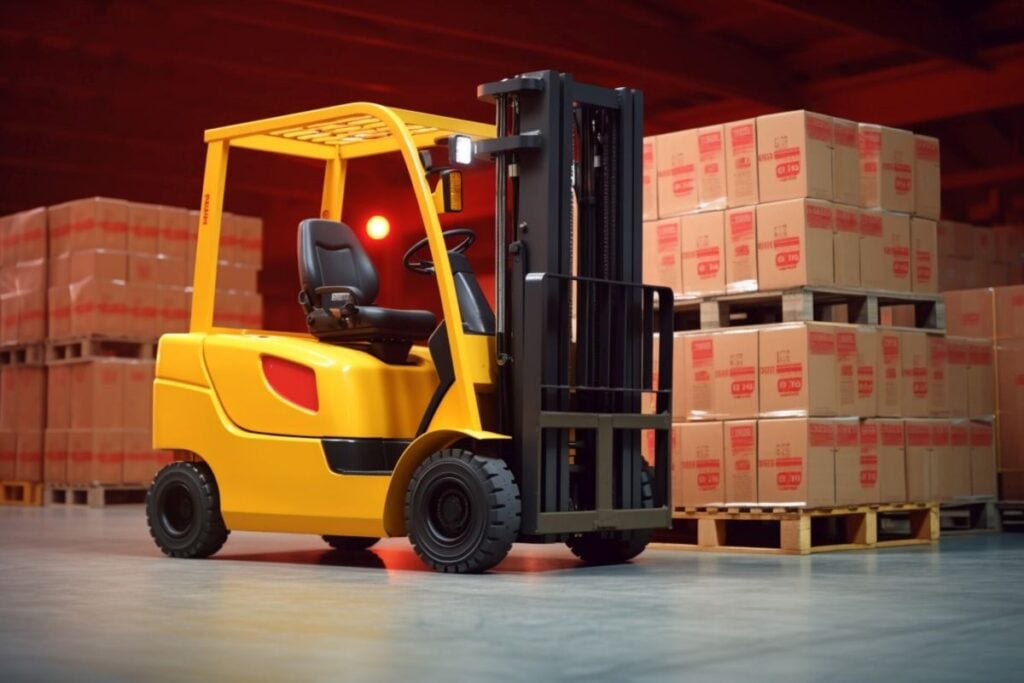
If you’re thinking about selling your forklift, weighing the best methods can help you choose the right option for your business.
Below are 5 popular ways to dispose of a forklift, plus factors that affect a used forklift’s price.
Reasons You May Want to Sell a Forklift
A business may want to sell a forklift for many reasons. Age and operating hours come first. These two factors largely set a forklift’s value, but its condition matters just as much. For instance, even a machine with few operating hours may lose significant value if it needs frequent servicing.
Another reason is that the forklift has outlived its purpose. An existing forklift may no longer suit a business, whether due to warehouse layout changes or the need to lift heavier or higher loads. A company may also sell a forklift after upgrading to a more
energy-efficient machine. Forklifts may also be sold when reorganising a fleet of machines or materials handling equipment, or after a decision to downsize.
Sometimes businesses just want to get rid of equipment they don’t use. A
forklift may also need disposal if a business wants to increase the
height or lifting capacity of its operations. Whatever the reason for selling a forklift, a business must consider how to do it to get the highest possible price.
1. Selling Your Forklift on Your Own
With a private sale, the seller controls every step. Instead of using a dealer or auction house, you’d advertise the forklift yourself and negotiate with buyers. The main advantage is having no middlemen, so you skip commissions. That makes a private sale especially lucrative if a buyer agrees to your price.
Even so, a private sale usually takes much more work than other routes.
You’ll need to set an asking price and collect details on the forklift. You may also need to photograph it, post an ad, and field questions.
When buyers reach out, they’ll likely want specifics like:
· Make and model.
· Year of manufacture.
· Lifting capacity.
· Mast type and size.
· Maximum lift height.
· Operating hours.
· Fuel type.
· Battery condition (for electric forklifts).
· Tyre condition.
· Attachments.
· Service and maintenance history.
· Working conditions.
· Plus, its overall condition.
Serious buyers may also want to inspect the machine and see it demonstrated. To attract buyers and fetch a good price, prepare the forklift carefully. Clean it and fix minor faults to make a good impression. Also, provide buyers with any documentation of the forklift’s service history. Be fully honest about its condition to avoid surprises at inspection. The main downside of a private sale is the time and effort to find a buyer. Buyers are also scarce because forklifts are niche machines. So, businesses must weigh the benefits of a private sale against the cost and time of marketing the machine and handling inquiries.
2. Advertise Your Forklift for Sale Online
The Internet lets you reach thousands of buyers by simply posting an ad. Many sites let businesses list forklifts, from general marketplaces to commercial equipment platforms. Online advertising gives unmatched exposure, which matters most in a private forklift sale. While private sales usually involve local buyers, an online ad can reach customers nationwide or abroad. Online advertising also lets you describe the forklift and its key features in detail. This matters because buyers want as much information as possible about the machine.
In particular, photos of the forklift are essential. You should also be completely honest about the machine’s condition to avoid disappointing buyers. Buyers will also want to know your asking price. Clearly, you shouldn’t exaggerate the forklift’s value to attract more buyers.
When setting the asking price, keep in mind that two identical forklifts with different service records and operating hours will be valued differently. When comparing prices, also factor in the conditions of use and the forklift’s overall state.
3. Selling Your Forklift at an Auction
Another popular way to sell a forklift is to hold or join an auction.
Unlike private sales, auctions involve no direct negotiation; instead, buyers bid and the highest bidder wins the forklift. One main advantage of auctions is convenience. Many auction companies offer various services, including advertising, so you won’t waste time and effort listing your forklift. Auctions also attract many buyers. This matters especially when selling a forklift, a fairly specialised type of equipment. Many auctions feature commercial equipment, letting you reach a highly targeted audience of potential buyers. Auctions are also ideal for businesses selling more than one forklift. For example, if you liquidate part of your materials handling equipment due to downsizing, individual sales may be ineffective since they take much time and effort. In such cases, an auction can be far more effective than a private sale. However, remember that auctions are not always beneficial to sellers. Auction companies usually charge higher commissions, so you end up with a smaller share of the selling price. In addition, the final selling price may be unpredictable. So before entrusting an auction company with your forklift, read their terms and conditions carefully.
4. Selling to a Forklift Dealer
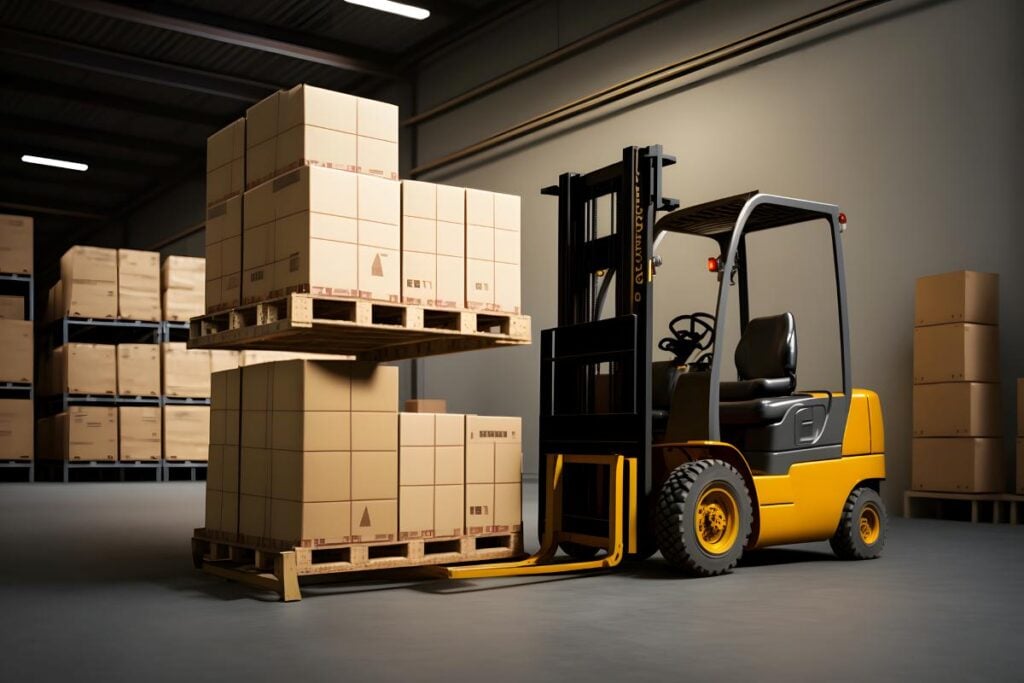
If a private sale drags on and auctions seem unreliable, consider selling your forklift to a forklift dealer. Dealers understand materials handling equipment, so they can assess your forklift’s value better than an individual buyer. It is also much easier to discuss the forklift’s technical specifications with a dealer. A dealer also has a broad buyer network, so your used forklift will sell far faster than on your own. Depending on the dealer, your forklift may even be serviced and prepared for sale. Dealers also have the equipment and expertise to inspect a forklift. Lastly, a dealer sale suits businesses that prefer not to advertise or deal with buyers directly. A dealer sale is clearly far more convenient than a private one. Keep in mind, though, that dealer sales usually bring much lower prices than private sales. That is because dealers act as intermediaries and want to profit from the sale. Still, a dealer sale can be far more convenient for a business that needs to sell a forklift quickly.
5. Trading In Your Forklift
If you are buying a new forklift, you can ask the dealer to take your old one in exchange for a discount on the new machine. This is called trading in, and it is often much easier than selling your forklift privately. Trading in means you no longer have to find a buyer for your old forklift. It also cuts transaction costs and speeds up getting a new forklift, which matters most if you need one urgently. Trading in your forklift also makes replacing it much easier, with no downtime. This matters most when your forklift is essential to operations and you can’t go long without it. So if you want to sell your forklift to buy a new one, a trade-in may be your best option.
As noted above, a forklift’s trade-in value depends mainly on its age, operating hours, specifications, and overall condition. These factors affect a used forklift’s value through any sales channel, but trading in is always advisable when buying new. That way, you avoid selling your old forklift separately.
Factors Affecting the Value of a Used Forklift
To sell your forklift, you must first understand what determines its value, which helps you set a realistic asking price. Age clearly matters, but so do operating hours, which show how much the machine has been used. Two forklifts made in the same year can differ widely in operating hours. Remember too that a forklift’s value depends on its condition. A well-maintained machine, for instance, is worth much more and is far more desirable than a similar forklift with poor service history. Specifications are another factor, since elements like lifting height and capacity can be in higher demand than others.
For electric forklifts, consider the battery as well, as it strongly affects the machine’s value. Other factors include the condition of the tyres, forks, and bodywork, plus any attachments. Clearly, a used forklift’s value depends on several factors beyond age, such as operating hours, specification, and condition.
How to Prepare Your Forklift for Sale
When preparing your forklift for sale, present it in the best possible light to maximise its value. First, clean your forklift before photographing and advertising it. This lets potential buyers inspect it and form a positive impression. Also, make sure you have all the relevant documents for the forklift. Finally, your forklift’s description must reflect its actual condition, and you should note any defects. When advertising a forklift online, your photos must be high quality. Also, take the photos in good lighting. Additionally, photograph the forklift from several angles, showing its parts and relevant attachments. You might also service your forklift before putting it up for sale. Clearly, weigh the servicing costs and confirm the forklift’s value justifies them. Still, this may help you sell it much faster
Selling or Replacing Your Forklift: Which Is Better?
Before selling your forklift, understand why you want to get rid of it. If your business no longer needs it, selling makes perfect sense. But if you are selling because upkeep is too costly or it no longer suits your operations, consider replacing it with a better model. In that case, you must define your requirements for a new forklift. What differences do you need in your new forklift? Is a higher lifting capacity or height required? Must your new forklift be more energy efficient or agile? Do you need an entirely different forklift type, such as an electric one? Has your warehouse changed in ways that affect materials handling, such as its layout or operating hours?
Answering these questions will help you find the forklift that best serves your operations and maximise your old one’s value.
Which Method of Disposal Is Better?
Each forklift disposal method above clearly has advantages anddrawbacks. So weigh them carefully and pick the one that meets your goals quickly with the least effort. A private sale offers the seller the most control and possibly the highest prices, but it demands much legwork and may attract no buyers. Advertising online can fetch decent, though not top, prices and provides valuable exposure. Auctions are convenient, particularly for sellin multiple machines, but commissions can be quite high. Selling to a dealer is likely the easiest and most reliable route, yet it brings the lowest prices. Trading in lets you replace your forklift without selling it separately or spending extra on advertising and negotiations. However, the trade-in discount reduces your old forklift’s value. Ultimately, choosing between a private sale and a dealer sale depends on the seller’s priorities: high prices or convenience. Still, remember that time spent advertising your forklift is time away from core operations.
Finding the Best Option for Your Business
When disposing of an unwanted forklift, remember that private sales bring the highest prices but require far more legwork than dealer sales. Advertising your forklift online offers several advantages, including easy access to potential buyers. Auctions conveniently allow a public sale of your forklift, while a dealer sale is easier than any other method. Trading in your forklift for a new one may be the most convenient option of all. Selling an unwanted or outdated forklift often begins a long process of upgrading your materials handling equipment. Replacing old machines with new, more efficient ones is vital to any materials handling operation.
At Acclaim Handling, our experts can help you find the materials handling equipment that will deliver the best results in your operations. With the right equipment, your unwanted or outdated forklift will no longer cause unnecessary maintenance or repair costs, and your operations will run much more smoothly and efficiently.
If you are thinking of replacing your current forklift, contact Acclaim Handling to discuss your needs and explore the available materials handling equipment options.
Summary of Forklift Disposal Methods
| Method | Best for | Main advantages | Main drawbacks | Price potential | Likely speed |
| Private sale | Sellers prioritising control and the highest possible return | No commission; direct negotiation; full control | Time-consuming; requires advertising, enquiries, inspections and negotiation | High | Slow |
| Online advertising | Sellers seeking broad exposure to buyers | National or international reach; space for detailed specifications and photos | Requires a strong advert, realistic pricing and buyer management | Medium to high | Variable |
| Auction | Businesses selling quickly or disposing of multiple machines | Convenient; targeted audience; limited direct negotiation | Commission charges; unpredictable final price | Variable | Fast |
| Forklift dealer | Sellers prioritising ease, reliability and specialist handling | Quick assessment; established buyer network; minimal seller effort | Dealer margin usually reduces the amount received | Low to medium | Fast |
| Trade-in | Businesses replacing an old forklift with a new one | Simple replacement process; reduced downtime and transaction effort | Trade-in allowance may be lower than a private-sale price | Medium | Very fast |