On this page
- Why asking the right questions matters
- What loads do I actually need to lift?
- Will the forklift be used indoors, outdoors, or both?
- How much space do I really have to work with?
- What lift height do I need?
- How many hours a day will the forklift work?
- What will maintenance and servicing cost over time?
- Does the forklift brand matter?
- What safety features do I need?
- Is the truck comfortable and practical for the operator?
- Should I buy new, used, or consider another option?
- Why a site-based decision is usually best
- Final thoughts
Buying a forklift is not a small decision. The right truck can improve productivity, safety, and running costs for years. The wrong one can slow work down, increase maintenance bills, and create problems the moment demand changes.
That is why it helps to ask the right questions before you buy. A forklift should match the work you do every day, not just the price on the quote.
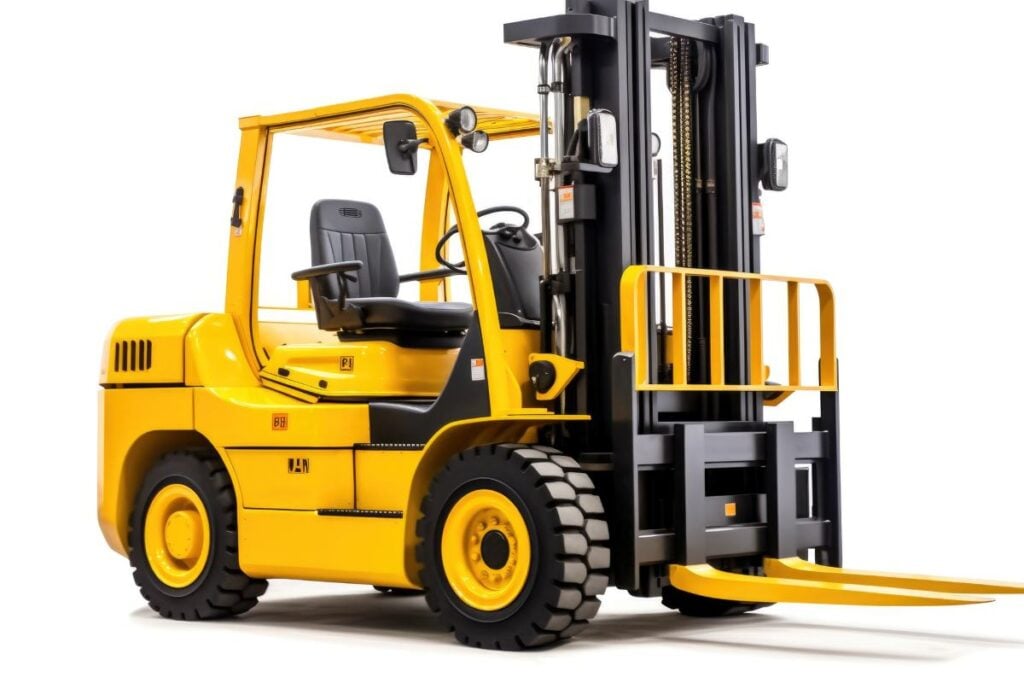
If you are planning your next purchase, these 10 questions will help you make a better decision.
Why asking the right questions matters
A forklift is not only a machine. It is a working asset that affects loading, unloading, storage, staffing, and site safety.
Before buying, it helps to think beyond the truck itself and look at:
- Where it will be used
- What it needs to lift
- How often it will be used
- What it will cost to run and maintain
- Whether it will still suit your business in a few years
If you want a wider overview, Acclaim’s forklift buying guide is a useful starting point alongside the questions below.
What loads do I actually need to lift?
This is the first question because everything else depends on it.
You need to know:
- The weight of your heaviest loads
- The size and shape of those loads
- Whether loads are stable or awkward
- How high they need to be lifted
Do not choose a truck based only on average loads. It must safely handle your heaviest realistic load in normal working conditions.
A forklift that looks cheaper but cannot manage your full load requirement is not a saving.
Will the forklift be used indoors, outdoors, or both?
The working environment changes the type of truck you need.
For example:
- Electric forklifts are often a strong choice for indoor use because they are quieter and produce no exhaust emissions during use
- Diesel forklifts are usually better suited to heavy outdoor work
- LPG trucks can suit mixed indoor and outdoor operations in some settings
The surface matters too. Smooth warehouse floors need something different from yards, rough ground, or mixed terrain.
If you get this wrong, the truck may be less efficient, harder to use, or less safe on site.
How much space do I really have to work with?
A forklift may look suitable on paper but still be the wrong fit if your aisles, doorways, or loading areas are tight.
Before buying, check:
- Aisle width
- Turning space
- Racking layout
- Door heights and access points
- Loading bay conditions
This is especially important in warehouses where manoeuvrability can matter as much as lift capacity. A truck that is too large for the working area will slow the whole operation down.
What lift height do I need?
Many buyers focus on load weight first, but lift height matters just as much.
You should know:
- Your highest storage point
- Whether you need to stack at height regularly
- Whether visibility becomes harder at that height
- Whether the mast type suits your racking and clearance
A forklift that can lift the weight but not reach the required height is an obvious problem. A truck that reaches the height but feels unstable or awkward there is also the wrong choice.
How many hours a day will the forklift work?
A truck used occasionally in a small stock area does not need the same setup as one working across full shifts every day.
Think about:
- Daily operating hours
- Number of shifts
- Peak periods
- Whether the truck will be in near-constant use
This affects battery needs, charging plans, fuel type, tyre wear, service scheduling, and long-term running costs.
For example, an electric forklift can be a very good fit, but only if the charging setup and shift pattern work together.
What will maintenance and servicing cost over time?
The purchase price is only one part of the real cost.
You should also ask about:
- Routine servicing
- Parts availability
- Breakdown support
- Warranty cover
- Repair costs over time
A low upfront price can become expensive if the truck is unreliable or difficult to maintain. This is why it is important to look at long-term value, not just the cost of getting the machine onto site.
It also helps to ask whether the dealer can provide dependable after-sales support and servicing.
Does the forklift brand matter?
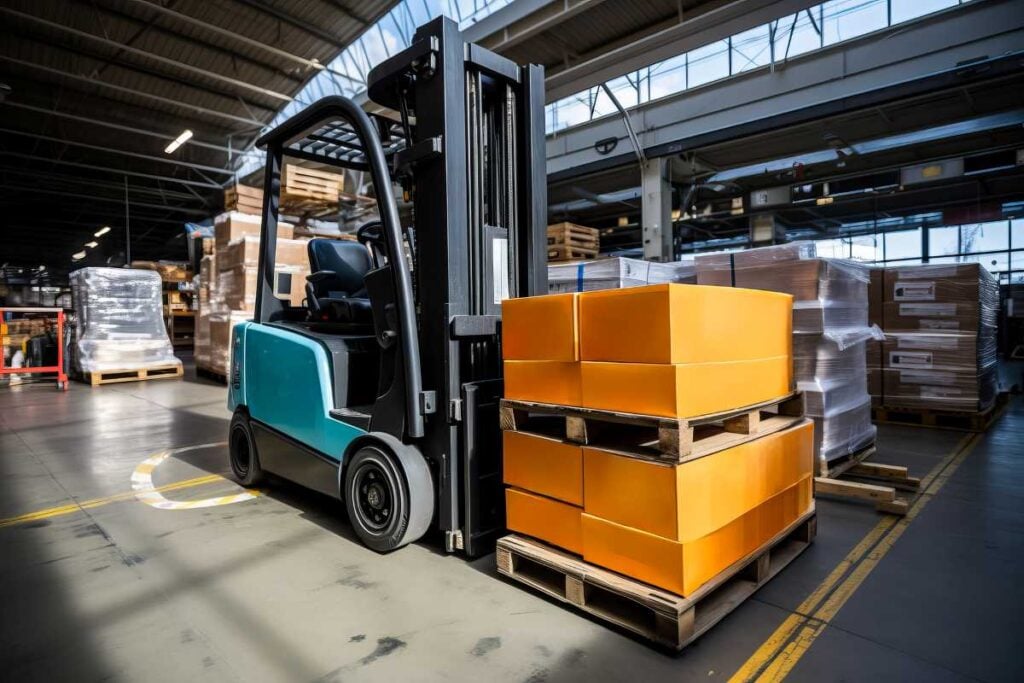
Yes, it usually does.
A trusted brand often gives you:
- Better parts support
- More reliable build quality
- Stronger dealer backup
- Better resale value
- Easier long-term maintenance
Buying on price alone can be risky if the truck later becomes difficult to service or parts are slow to source. A better-supported brand may cost more at the start but still work out cheaper over time.
This matters even more if the forklift is critical to your daily operation.
What safety features do I need?
A forklift purchase should always include a safety check, not just a performance check.
Depending on your site, useful features may include:
- Seat belts
- Lights
- Warning alarms
- Mirrors
- Good operator visibility
- Stability support
- Camera or sensor systems on some models
The right features depend on the job and the environment. A busy warehouse with pedestrians nearby may need a different setup from an outdoor yard with more open space.
Safety should not be treated as an optional extra added later.
Is the truck comfortable and practical for the operator?
A forklift can be technically suitable and still be the wrong choice if it is tiring or awkward to use.
Operator comfort affects:
- Productivity
- Safety
- Accuracy
- Confidence during long shifts
Things worth checking include:
- Seat comfort
- Ease of entry and exit
- Visibility
- Steering feel
- Control layout
- Overall driving position
A comfortable operator is usually a more efficient and safer operator. That makes comfort a business issue, not only a preference.
Should I buy new, used, or consider another option?
Not every business needs a brand-new forklift.
Before making the final decision, ask whether the best route is:
- A new forklift
- A well-maintained used forklift
- A rental or hire option for shorter-term needs
- A lease arrangement if flexibility matters more than ownership
A used truck may lower upfront cost, but it may also have a shorter working life. A new truck costs more at the start, but usually gives better parts life and warranty cover.
The best answer depends on your budget, your workload, and how long you expect the truck to stay central to the operation.
If you are weighing up current stock, a trusted warehouse lifting equipment supplier can help you compare new and used options against the work you actually need to do.
Why a site-based decision is usually best
By this point, one thing should be clear. The best forklift is not simply the one with the lowest price or the highest capacity.
It is the one that fits:
- Your loads
- Your site
- Your hours of use
- Your storage layout
- Your operator needs
- Your long-term maintenance plan
That is why site visits, product demos, and proper supplier advice often make a big difference. A forklift should be chosen for the real working environment, not only from a brochure.
Final thoughts
Buying your next forklift is easier when you ask the right questions before you commit. Load weight, environment, aisle width, lift height, daily use, servicing, brand support, safety, and operator comfort all matter.
The best decision usually comes from looking at total fit rather than upfront cost alone. If the truck suits the work properly, it will support productivity, reduce downtime, and give better long-term value.
A forklift is an investment in how your site runs every day. The more carefully you choose it, the better that investment is likely to perform.