On this page
- Why a replacement strategy matters
- Start with a full fleet review
- Look at repair costs over time
- Pay attention to age and operating hours
- Measure downtime, not just repair bills
- Group trucks into action categories
- Standardise where possible
- Match replacement plans to the real job
- Decide whether to buy, lease, or hire
- Build a replacement timeline, not just a wish list
- Review the strategy regularly
- Final thoughts
A forklift replacement strategy helps a business avoid one of the most expensive fleet mistakes: waiting until a truck fails badly before making a decision.
Many companies hold on to forklifts for too long because the truck is familiar, the business wants to avoid a large purchase, or the latest repair still feels cheaper than replacement. Sometimes that is true in the short term. Over time, though, repeated repairs, downtime, safety concerns, and lower productivity often cost far more than a planned replacement would have done.
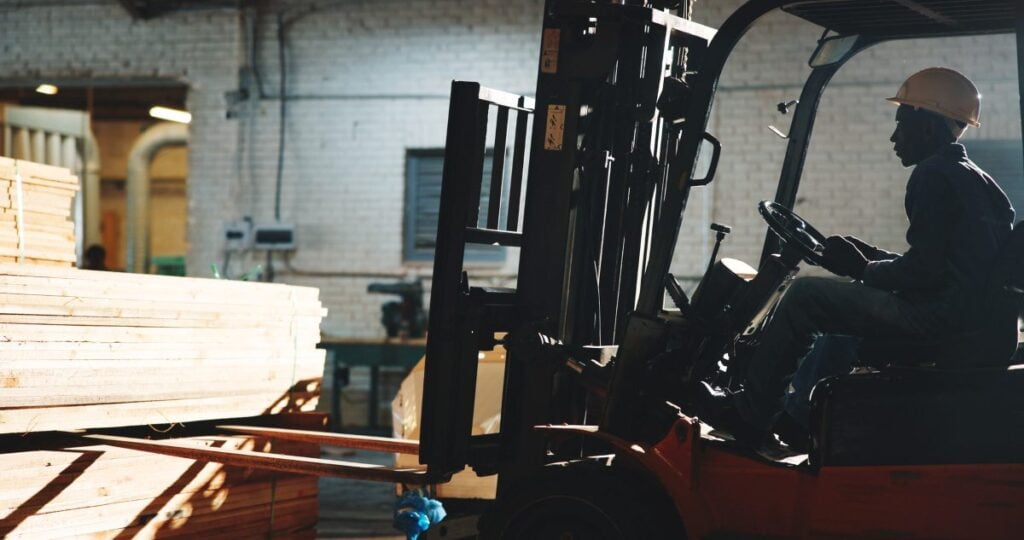
That is why replacement should not be treated as a last-minute reaction. It should be a managed process based on cost, condition, usage, and operational risk.
Why a replacement strategy matters
A forklift is not just a machine in the yard or warehouse. It is part of the daily flow of the operation.
If one truck becomes unreliable, the effect can spread quickly through:
- Loading and unloading
- Stock movement
- Delivery schedules
- Operator productivity
- Pressure on the rest of the fleet
A good strategy helps you replace trucks before they become a serious problem. It also helps you avoid replacing them too early, when they still have strong working life left.
Start with a full fleet review
The first step is to understand exactly what you have now.
This means looking at each forklift and recording key details such as:
- Make and model
- Age of the truck
- Operating hours
- Service history
- Repair history
- Typical daily workload
- Current condition
This gives you a clear picture of the fleet instead of relying on guesswork. In many businesses, this first review already shows which trucks are stable, which are becoming expensive, and which are close to the point where replacement should be planned.
Look at repair costs over time
One expensive repair does not always mean a forklift should be replaced. The bigger issue is the pattern.
Ask questions like:
- Are repair costs rising year after year?
- Is the same truck going down repeatedly?
- Are faults starting to appear across different systems?
- Is downtime becoming more frequent?
If the cost of keeping one truck running is climbing steadily, that is often a sign that replacement should be considered. A forklift that needs constant attention is not only costing money in parts and labour. It is also taking up time and reducing fleet reliability.
This is where it helps to assess whether it is time to repair or replace your forklift based on overall cost rather than one invoice alone.
Pay attention to age and operating hours
Age matters, but hours usually matter more.
A forklift used lightly for many years may still have useful life left. A younger truck used heavily across long shifts may reach replacement point much sooner.
As a rough guide, businesses should look closely at trucks that:
- Have high operating hours for their type of use
- Have moved beyond their most reliable service period
- Are showing wear across several key systems
This does not mean there is one exact hour limit for every truck. It means age and hours should be reviewed together with cost and performance.
Measure downtime, not just repair bills
Repair cost is the easiest number to see, but downtime often causes more damage to the business.
If a forklift is out of service, the cost may include:
- Delayed warehouse work
- Missed loading windows
- Idle staff
- Pressure on other trucks
- Rental costs for temporary cover
A truck with low repair invoices but repeated downtime may still be a poor fleet asset. That is why a replacement strategy should include lost productivity, not only workshop spend.
Group trucks into action categories
Once you have reviewed the fleet, it helps to divide trucks into practical groups.
A simple approach is:
Keep
These trucks are reliable, cost-effective, and still well suited to the job.
Watch
These trucks are not urgent replacement cases, but they show signs of rising cost, age, or performance decline.
Replace
These trucks are creating too much cost, too much risk, or too much downtime to justify keeping them much longer.
This kind of grouping makes planning easier. Instead of treating the fleet as one large problem, you can decide what needs action now and what can wait.
Standardise where possible
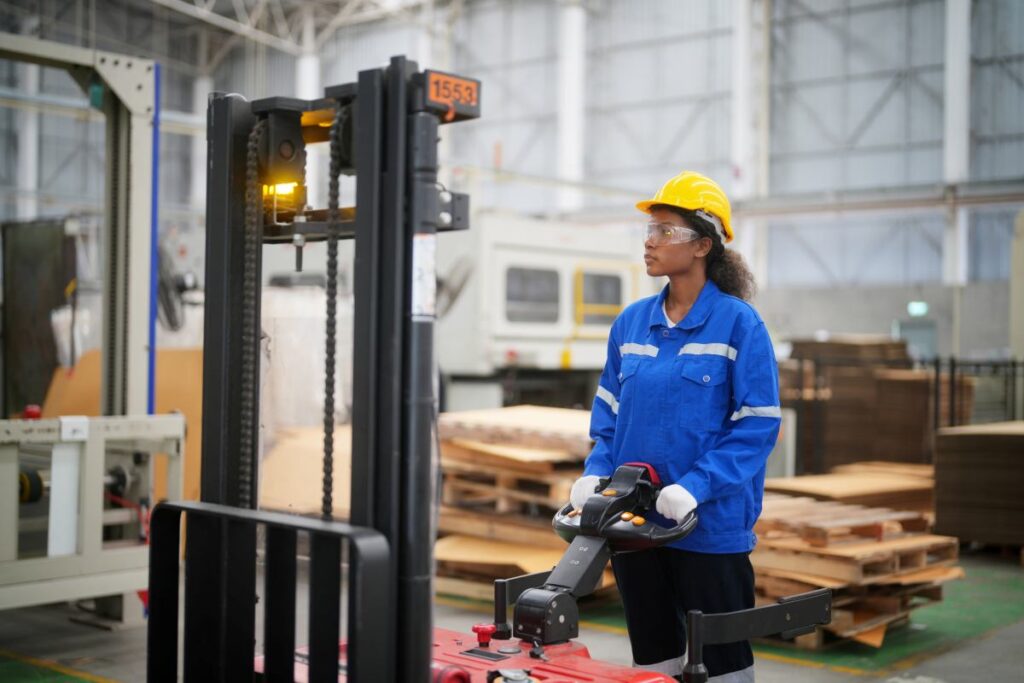
A replacement strategy is also a chance to simplify the fleet.
If your business runs many different makes or models, that can create extra cost through:
- More parts variation
- More training differences
- More service complexity
- Less buying leverage
Where possible, standardising around a smaller number of truck types can make servicing, training, and future purchasing easier. It also helps the business manage the fleet more consistently.
Match replacement plans to the real job
Do not replace a forklift with the same type by default unless you are sure the same specification still fits the work.
A business may have changed since the truck was first bought. For example:
- A warehouse may now have narrower aisles
- Stock may be heavier or stored higher
- Shift patterns may be longer
- Indoor use may now favour electric trucks
- Outdoor handling may need a different tyre or mast setup
A replacement strategy should review what the forklift needs to do now, not just what it used to do.
Decide whether to buy, lease, or hire
Replacement does not always mean buying outright.
Depending on the business, the right option may be:
- Buying a new truck for long-term daily use
- Buying a quality used truck to manage capital cost
- Leasing to support structured replacement cycles
- Hiring temporarily while the business tests demand
This decision depends on workload, budget, and how certain the long-term need really is.
If the need is permanent and the truck will play a central role every day, ownership may make sense. If the business wants flexibility, another route may be better.
For companies ready to upgrade ageing equipment, Acclaim offers forklift sales for commercial operations across a wide range of warehouse, logistics, and industrial applications.
Build a replacement timeline, not just a wish list
One of the biggest mistakes businesses make is identifying the problem trucks but not turning that into a plan.
A real strategy should include:
- Which trucks need replacing first
- Estimated replacement dates
- Budget timing
- Whether temporary hire is needed during changeover
- Who will approve and manage each stage
This helps avoid the common problem of knowing a truck is near the end of its useful life but still doing nothing until it fails.
Review the strategy regularly
A replacement strategy is not something you write once and forget.
Fleet condition changes over time. Demand changes too. A strategy should be reviewed regularly so you can update:
- Repair trends
- Fleet usage
- Downtime patterns
- Future equipment needs
A six-month or annual review is often enough to keep the plan current and realistic.
Final thoughts
Implementing a forklift replacement strategy is about moving from reactive decisions to planned ones.
Instead of waiting for a major failure, businesses should review fleet age, hours, repair costs, downtime, and operational fit early. Once that information is clear, it becomes much easier to decide which trucks to keep, which to monitor, and which to replace.
The strongest strategy does not replace trucks too soon or too late. It replaces them at the point where the business gains more from reliability, safety, and lower running cost than it gains from trying to stretch one more year out of worn equipment.