On this page
- Why forklift hire prices vary so much
- The type of forklift affects the price
- Power source changes the cost too
- Hire duration makes a major difference
- Delivery and collection can add to the total
- Site conditions can affect pricing
- Attachments and extra features may increase the cost
- Maintenance and support matter
- Emergency and short-notice hire can cost more
- Why the cheapest quote is not always the best value
- Questions to ask before agreeing a hire price
- Choosing the right hire option for your business
- Final thoughts
Forklift hire can be a practical way to keep your operation moving without the cost of buying another truck. But one of the first questions most businesses ask is simple: how much does forklift hire actually cost?
The honest answer is that pricing depends on the truck, the job, and the length of the hire. A small electric forklift for a warehouse will not cost the same as a heavy diesel model for an outdoor site. A one-day emergency hire will not be priced the same way as a longer-term agreement.
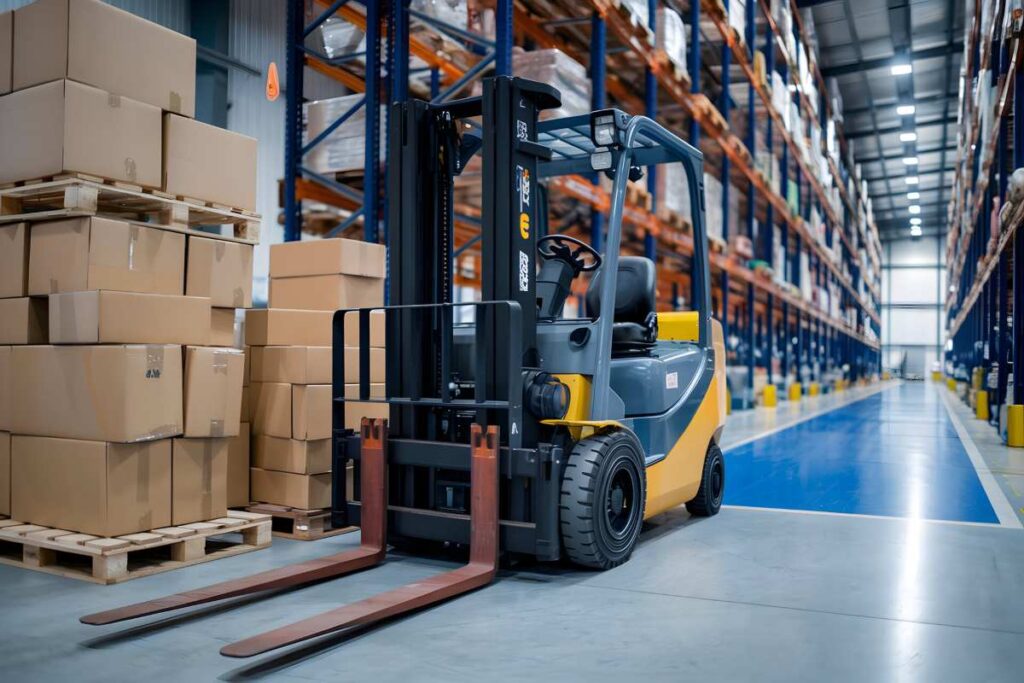
That is why it helps to understand what sits behind the quote. Once you know the main pricing factors, it becomes much easier to compare options and avoid paying for the wrong truck or the wrong hire structure.
Why forklift hire prices vary so much
Forklift hire is not a one-price service. Suppliers usually price based on the machine and the working conditions rather than offering one fixed rate for every customer.
That is because each hire can differ in:
- Truck type
- Lift capacity
- Mast height
- Fuel or power source
- Length of hire
- Delivery location
- Site conditions
- Support needed during the hire
A forklift doing light indoor warehouse work has very different demands from one being used on a busy outdoor construction site. Those differences affect both the rental price and the total cost of the hire.
The type of forklift affects the price
One of the biggest pricing factors is the forklift itself.
Smaller, more basic trucks are usually cheaper to hire than larger or more specialist models. For example, a standard electric or diesel forklift with modest lift capacity will usually cost less than a high-capacity machine, a reach truck, or a specialist truck for narrow aisles or unusual loads.
This is why suppliers often ask for details such as:
- Load weight
- Lift height
- Indoor or outdoor use
- Aisle width
- Ground conditions
If the truck needs to do more, the hire cost will usually rise.
Power source changes the cost too
Electric, diesel, and LPG forklifts do not always sit at the same price point.
Electric forklifts are often a strong choice for indoor warehouse work because they are quieter and produce no exhaust emissions during use. Diesel forklifts are more common on heavier outdoor work. LPG models may suit sites that need a mix of indoor and outdoor use.
The hire rate can vary between these types depending on the model, battery setup, fuel system, and intended use.
In some cases, the truck itself may be priced similarly, but the running costs during the hire will be different. That is why the cheapest weekly rate is not always the cheapest overall option.
Hire duration makes a major difference
The length of the hire usually has a big effect on pricing.
Short-term hires often cost more per day because delivery, collection, preparation, and administration are spread across a shorter period. This is common when a business needs a forklift urgently for a one-off job, breakdown cover, or a short project.
Longer-term hire often works out better value per week or per month. The supplier can spread their setup costs across a longer contract, which usually leads to a lower rate overall.
This means a forklift hired for one week may cost more per day than the same truck hired for several months.
Delivery and collection can add to the total
Transport is another part of the price that businesses sometimes overlook.
A forklift still needs to be delivered to site and collected again afterwards. Depending on the supplier and the agreement, this may be included in the quote or shown as a separate charge.
Transport costs may depend on:
- Distance from the depot
- Site access
- Delivery timing
- Whether specialist transport is needed
If you are comparing quotes, it is important to check whether delivery and collection are included or extra.
Site conditions can affect pricing
Not every site creates the same level of wear or support need.
A forklift used on a clean indoor warehouse floor will usually have different demands from one used on rough outdoor ground or in a busy industrial yard. Tougher site conditions can affect tyre wear, servicing needs, and the type of truck required.
That can influence both the rental price and what level of support the supplier builds into the agreement.
This is one reason suppliers often ask questions about the site before confirming the hire.
Attachments and extra features may increase the cost
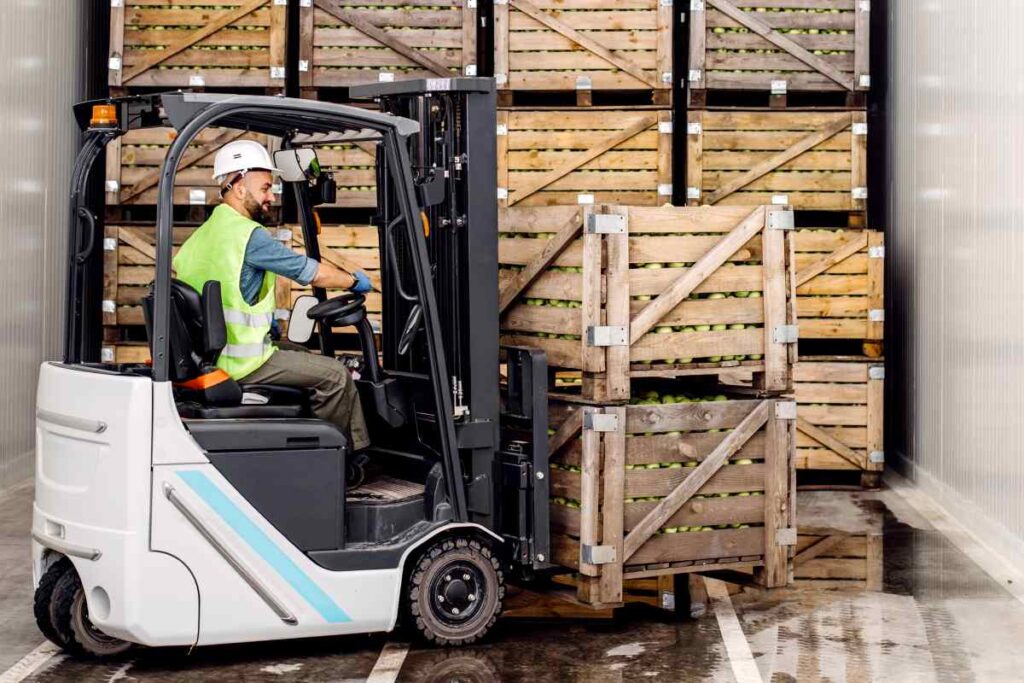
Some jobs need more than a standard forklift setup.
You may need:
- Longer forks
- Side shift
- Fork positioners
- Clamps
- Specialist mast types
- Other role-specific attachments
These extras can make the truck more suitable for the work, but they usually affect the hire price too.
This is not necessarily a bad thing. Paying slightly more for the correct setup is often better than trying to use a cheaper truck that does not suit the task properly.
Maintenance and support matter
A good forklift hire agreement usually offers more than the machine itself.
Depending on the supplier, the cost may include:
- Routine servicing
- Basic maintenance support
- Breakdown response
- Safety checks
- Replacement support if a truck fails
This is one reason many businesses see real benefits of forklift hire beyond the rental rate alone. The support built into the agreement can reduce downtime, lower maintenance risk, and make budgeting easier.
When comparing suppliers, it is worth looking at what service is included, not just the hire fee.
Emergency and short-notice hire can cost more
If a forklift is needed urgently, pricing may be different from a planned booking.
Short-notice hire may involve:
- Faster transport scheduling
- Limited equipment choice
- Emergency response arrangements
- Less flexibility on timing
If the need is immediate because of a breakdown or an urgent contract, you may end up paying a premium for speed and availability.
This is why planned hire is usually easier to manage than reactive hire where possible.
Why the cheapest quote is not always the best value
It is easy to focus only on the lowest number, but that can be misleading.
A cheaper hire quote may not include:
- Delivery
- Breakdown support
- Servicing
- The right truck specification
- Flexibility if your needs change
In some cases, a slightly higher quote gives much better value because it includes stronger support and a machine that is better matched to the job.
The smarter comparison is total value, not only starting price.
Questions to ask before agreeing a hire price
To compare quotes properly, it helps to ask:
- What is included in the hire rate?
- Is delivery and collection extra?
- What breakdown support is included?
- Is maintenance part of the agreement?
- Are there limits on use or hours?
- What happens if I need the truck for longer?
- Are attachments included or extra?
These questions make it easier to avoid surprises later.
Choosing the right hire option for your business
The right forklift hire price depends on what your business actually needs.
A short warehouse peak may suit a short-term electric truck. A longer project may justify a more cost-effective monthly hire. A specialist task may need a more expensive machine, but one that saves time and improves safety.
This is where a supplier offering industrial lifting equipment hire can help businesses match the truck, support package, and hire length more closely to the work instead of simply choosing on price alone.
Final thoughts
Forklift hire costs in 2026 are shaped by several factors, including the type of truck, the power source, the hire length, the site, transport, and the level of support included.
That is why there is no single standard price for every hire. The real cost depends on what the forklift needs to do and how well the hire package fits the job.
The best approach is to look beyond the starting quote. When you compare the right details, it becomes much easier to choose a forklift hire option that gives your business both the equipment and the value it really needs.