On this page
- Why peak season puts forklifts under more strain
- Start by reviewing your fleet condition
- Match the truck to the work ahead
- Book servicing before the rush begins
- Pay close attention to batteries and charging
- Check tyres, brakes, and steering carefully
- Reinforce daily checks with operators
- Review operator readiness too
- Prepare for extra demand before it becomes urgent
- Keep work areas safe and organised
- Have a response plan for breakdowns
- Final thoughts
Peak season puts extra pressure on every part of a materials handling operation. Stock moves faster, loading areas get busier, and forklifts often spend longer hours on the job.
That is why peak season preparation matters. A truck that works well enough in a quieter month may start showing weaknesses once demand rises. Small faults, worn parts, or the wrong setup can quickly lead to delays, downtime, and safety problems when the site is at its busiest.
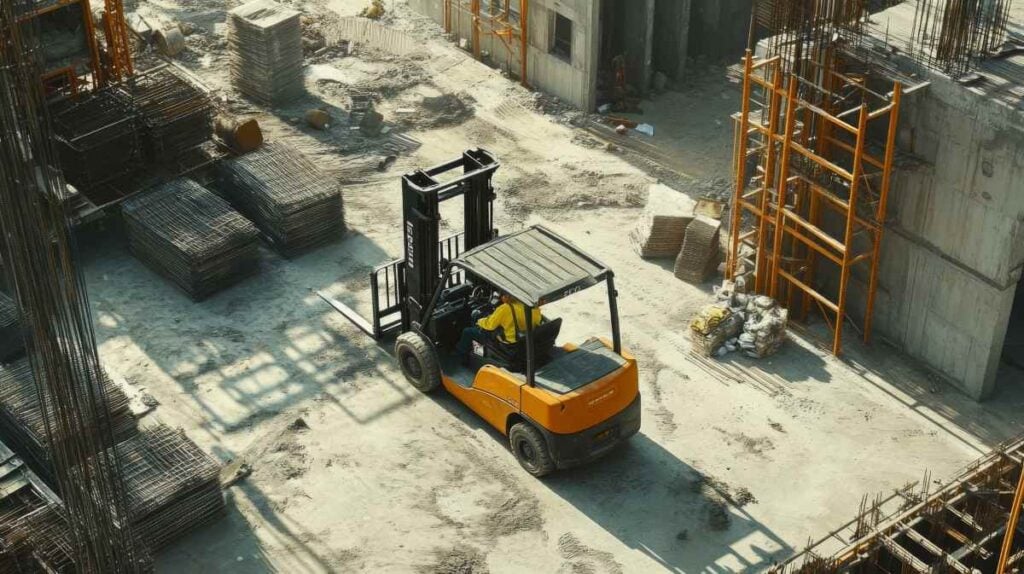
Getting your forklifts ready for peak season is really about one thing: making sure your fleet can cope with more work without letting the operation slow down.
Why peak season puts forklifts under more strain
During busy periods, forklifts usually do more in less time. They may be moving stock across longer shifts, loading more vehicles each day, or operating with less downtime between tasks.
That added pressure often means:
- More wear on tyres, brakes, and lift components
- More battery demand on electric trucks
- More chance of operator error if equipment feels unreliable
- Higher risk of breakdowns at the worst possible time
- Less room in the schedule to stop for repairs
In quieter periods, a small issue might be manageable for a few days. In peak season, the same issue can disrupt the whole workflow.
Start by reviewing your fleet condition
The first step is to look at the forklifts you already have and ask whether they are genuinely ready for a heavier workload.
This means checking:
- Which trucks are currently in daily use
- Which are reliable and which are already showing faults
- Which ones are close to a service date
- Which trucks may struggle if shift hours increase
If a forklift is already unreliable before peak season starts, it is unlikely to improve once demand rises. This is the right time to decide whether a truck needs servicing, temporary cover, or replacement support before the pressure begins.
Match the truck to the work ahead
Peak season can also change the type of work a forklift is expected to do.
For example, you may suddenly need to handle:
- Larger or heavier loads
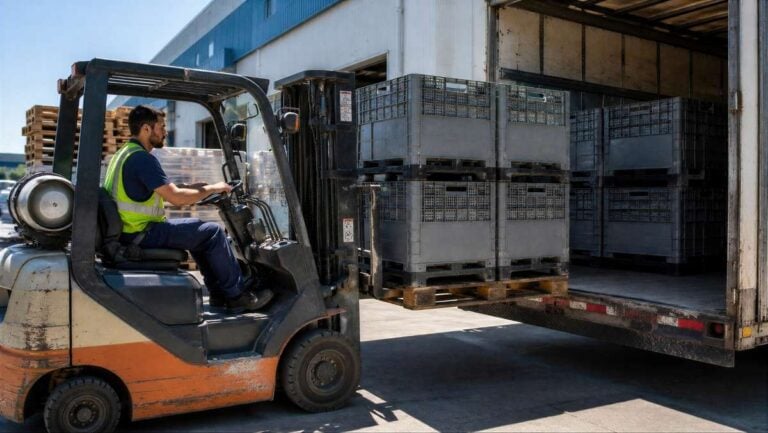
- More loading and unloading at speed
- More work in narrow areas
- More outdoor movement between buildings
- More picking and replenishment at height
This is why truck suitability matters. A forklift that is fine for routine daily handling may not be the best fit for the busier pattern ahead.
It is also worth checking whether the forks and attachments still suit the loads you expect to move. Forks that are too short, too long, or poorly matched to the load can slow the operator down and increase risk.
Book servicing before the rush begins
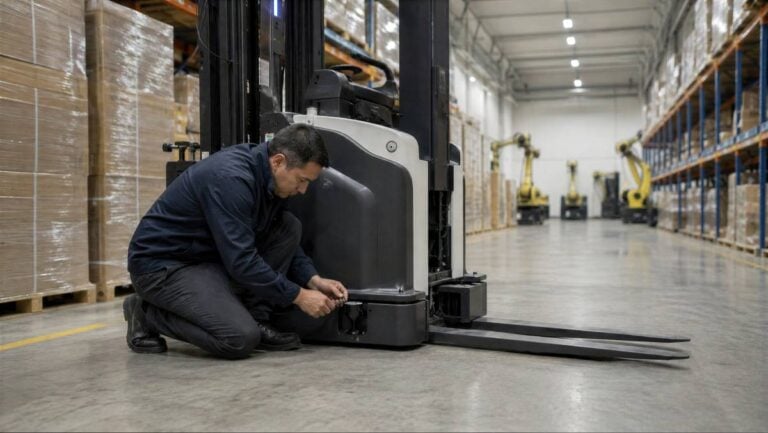
One of the simplest ways to prepare for peak season is to service forklifts before the busiest period starts, not during it.
Planned servicing gives you time to:
- Fix small faults early
- Replace worn parts before they fail
- Check brakes, steering, hydraulics, and tyres properly
- Confirm warning lights and alarms are working
- Reduce the chance of emergency breakdowns later
This is usually far easier and cheaper than trying to deal with an unexpected failure when the warehouse or yard is already under pressure.
If your fleet is due attention before a busy period, arranging industrial equipment servicing early can help reduce downtime and keep operations more stable once demand rises.
Pay close attention to batteries and charging
For electric forklifts, battery condition becomes even more important in peak season.
A battery that is only just coping during normal workloads may start creating serious problems once the truck is in use for longer hours. Reduced runtime, poor charging performance, or weak output can all affect productivity.
Before peak season, check:
- Battery condition and age
- Charging times
- Charger performance
- Cable and connector condition
- Water levels where applicable
- Whether current charging routines still fit the expected shift pattern
If a truck will need to work longer hours than usual, battery planning should happen now, not once the site is already busy.
Check tyres, brakes, and steering carefully
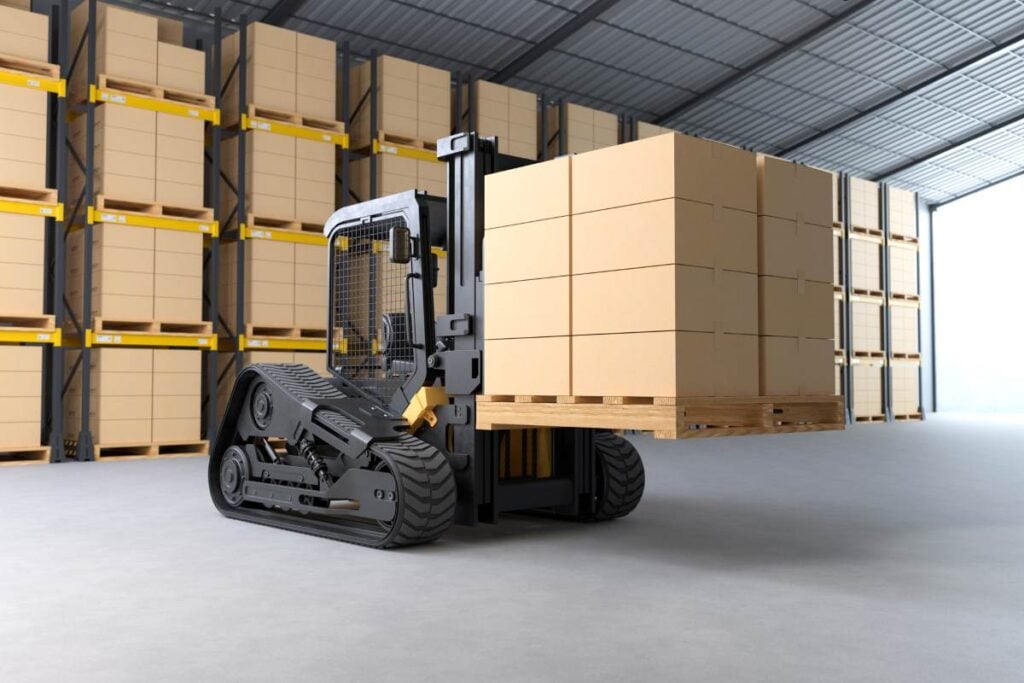
Peak season is not the time to discover that a tyre is badly worn or that the brakes feel weak.
These basic components affect safety and performance every day, but they matter even more when forklifts are making more trips, moving faster between tasks, and working in busier areas.
Look for signs such as:
- Worn or damaged tyres
- Reduced brake response
- Changes in steering feel
- Uneven handling under load
- Visible wear on wheels and related parts
Even if the truck is still operating, these signs can point to a problem that gets worse quickly under heavier use.
Reinforce daily checks with operators
Operator checks become even more valuable during busy periods because they help catch problems before the truck is put under a full shift of work.
Make sure teams are carrying out proper daily forklift inspections and not rushing through them because the site is busy.
Daily checks should usually include:
- Visible damage or missing parts
- Fluid levels where relevant
- Tyre condition
- Brakes and steering
- Horn and lights
- Emergency stop where fitted
- Any signs of leaks or unusual operation
When peak season starts, these checks are not a delay. They are one of the fastest ways to avoid a much bigger delay later in the day.
Review operator readiness too
Peak season preparation is not only about the trucks. It is also about the people using them.
If temporary staff, shift changes, or higher workloads are expected, make sure:
- Operators are trained for the truck type they will use
- Refresher training is given where needed
- Site rules are clear
- Speed and traffic expectations are reinforced
- Staff know how to report faults quickly
A well-maintained forklift still needs a confident and informed operator behind it.
Prepare for extra demand before it becomes urgent
Some operations know peak season is coming every year, but still wait until the last minute to add support.
If you expect extra stock movement, now is the time to ask whether the current fleet is enough.
You may need:
- A temporary extra forklift
- A backup truck in case of breakdown
- A different type of truck for a specific task
- Short-term hire to support a second shift or overflow area
The earlier this is arranged, the more choice and control you usually have.
Keep work areas safe and organised
As volume rises, warehouse and yard areas can become more crowded. More pallets, more packaging, and more vehicle movement all create extra pressure on forklift routes.
That is why peak season readiness should also include:
- Keeping aisles clear
- Removing unnecessary clutter
- Checking loading zones
- Making sure warning systems and markings are visible
- Reviewing pedestrian and forklift interaction points
A well-prepared truck can still lose time if the working area itself is not ready for the busier period.
Have a response plan for breakdowns
Even with strong preparation, faults can still happen.
Peak season planning should include a simple response plan so the team knows:
- Who to contact if a truck goes down
- Whether temporary replacement equipment is available
- Which jobs can be reassigned if one truck is lost
- How quickly service support can attend
This makes the operation more resilient. It also reduces confusion when a problem happens during a busy shift.
Final thoughts
Getting your forklifts ready for peak season is about more than just checking whether they still start in the morning. It means making sure the fleet, the operators, and the working environment are all prepared for a heavier, faster, and more demanding period.
A good plan usually includes early servicing, battery and tyre checks, proper daily inspections, operator readiness, and enough equipment capacity to handle the rise in demand. The earlier these steps are taken, the easier it is to keep peak season productive instead of reactive.
When the pressure rises, the best-performing operations are usually the ones that prepared before it arrived.