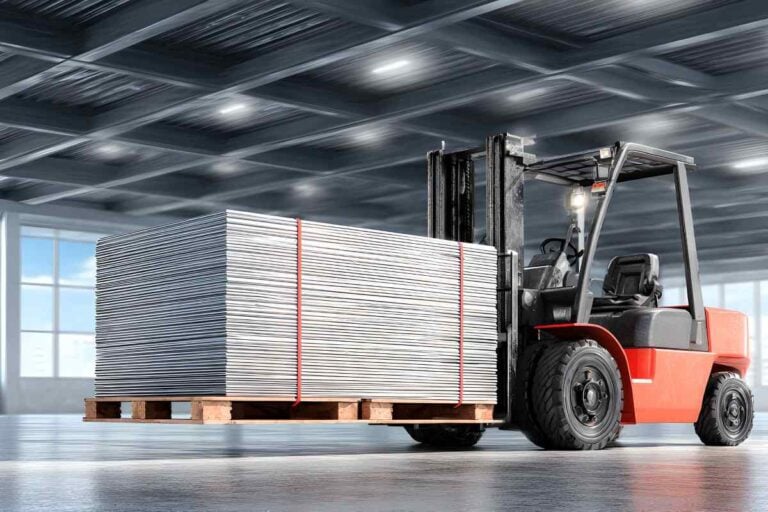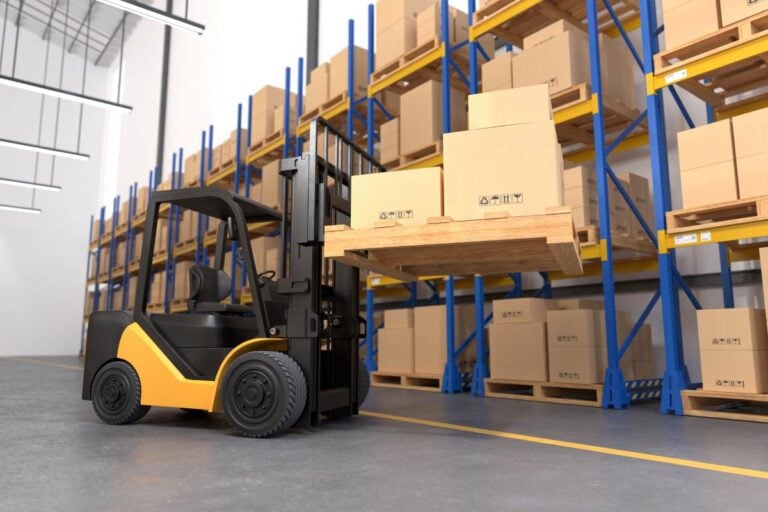
Forklifts are the backbone of material handling operations, and their versatility can be further enhanced with the use of fork extensions. Fork extensions provide an effective solution for handling larger loads or accommodating multiple pallets, offering increased flexibility in various industries. In this guide, we’ll explore the benefits, proper usage, and key considerations when using fork extensions.
Understanding Fork Extensions
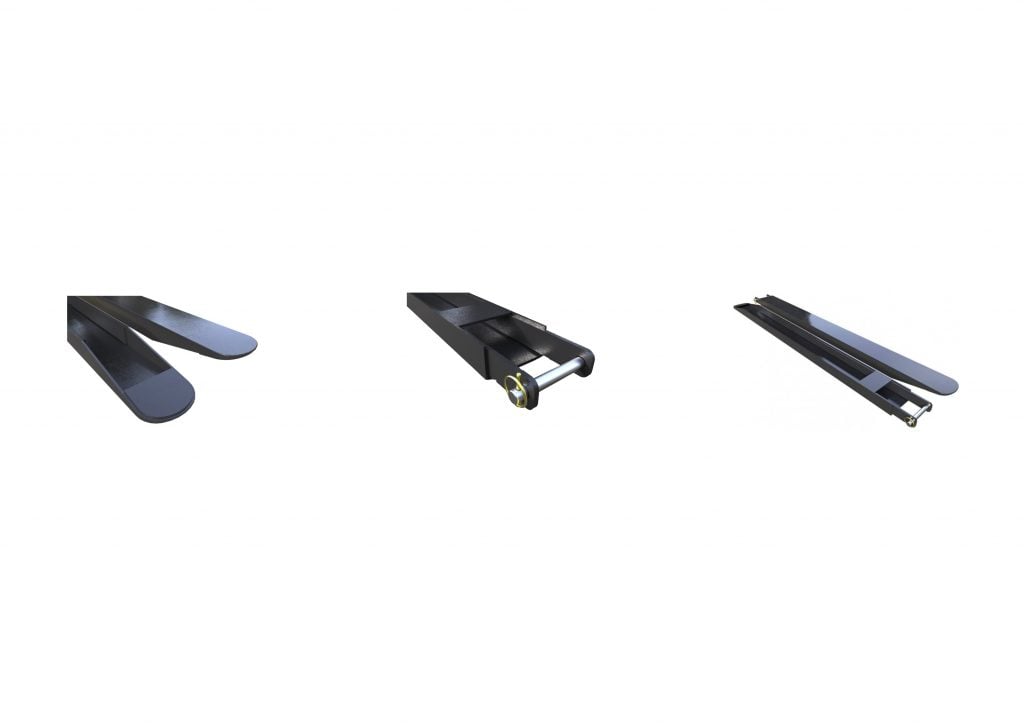
Fork extensions are additional components that can be attached to the existing forks of a forklift, effectively extending their length. These extensions are typically made of durable materials such as steel and come in various sizes to match different forklift models and load requirements.
Benefits of Fork Extensions
- Increased Reach: Extensions allow forklift operators to handle longer or oversized loads that would otherwise be challenging to manage with standard forks.
- Handling Multiple Pallets: By extending the forks, forklifts can accommodate multiple pallets side by side, optimising efficiency during loading and unloading processes.
- Versatility in Material Handling: Extensions make it easier to handle a variety of materials, including longer pipes, timber, or other irregularly shaped items.
- Cost-Effective Solution: Compared to investing in a larger forklift, extensions offer a cost-effective way to increase load capacity and reach without the need for a complete equipment upgrade.
Proper Usage and Safety Tips
- Weight Capacity: It’s crucial to adhere to the load capacity specifications of both the forklift and the fork extensions. Exceeding these limits can compromise stability and safety.
- Secure Attachment: Ensure that the fork extensions are securely attached to the forklift forks and that they are locked in place before lifting any loads.
- Balanced Loading: Maintain proper load distribution on the forks to prevent imbalance, especially when handling extended or multiple loads.
- Visibility: Fork extensions may obstruct the operator’s view, so it’s essential to be cautious and, if necessary, use a spotter to guide the forklift during manoeuvres.
- Regular Inspections: Conduct regular inspections of the fork extensions for any signs of wear, damage, or deformities. Replace or repair them promptly to ensure continued safety.
In conclusion, fork extensions are valuable additions to forklifts, providing a practical solution for businesses looking to enhance their material handling capabilities without significant investments. By understanding the benefits, adhering to safety guidelines, and selecting the right extensions for specific needs, operators can maximise the efficiency and versatility of their forklifts in various industrial settings.
If you would like to purchase some extensions for your equipment head to our online store for more details.
N.B. Fork extension length should not exceed existing fork length by more that 50%.