Choosing the right forklift involves more than selecting the correct lifting capacity or power source. One of the most important decisions is often overlooked entirely: the tyres.
Forklift tyres directly affect stability, safety, operating costs, productivity, and the environments in which the truck can work effectively. The two most common options are cushion tyres and pneumatic tyres. While both serve the same basic purpose, they are designed for very different applications.
Understanding the differences between cushion and pneumatic tyres can help you select equipment that performs efficiently and safely in your specific operating environment.
What Are Cushion Tyres?
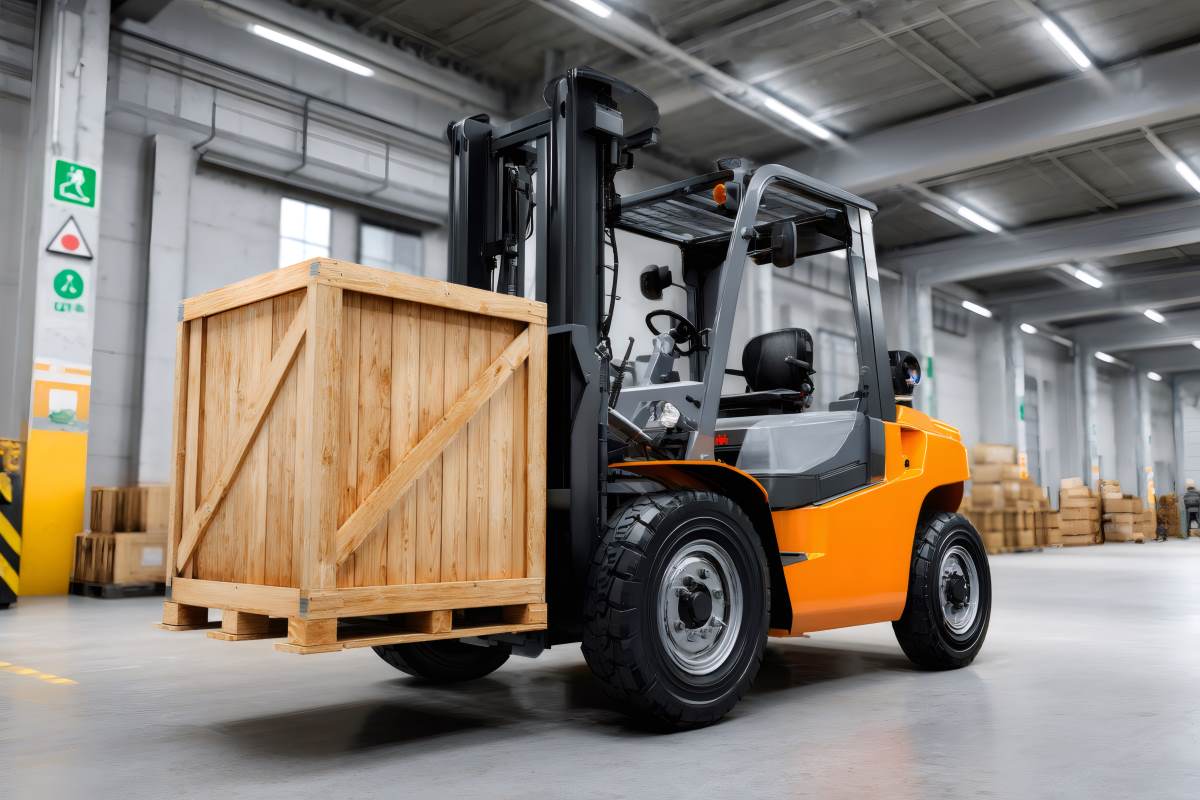
Cushion tyres are solid rubber tyres that are pressed directly onto a steel band. Unlike pneumatic tyres, they contain no air and have a relatively smooth profile.
They are typically fitted to forklifts designed for indoor use on smooth, hard surfaces such as warehouses, manufacturing facilities, and distribution centres.
Because cushion tyres have a smaller overall diameter, forklifts equipped with them usually have a lower profile. This makes them particularly useful in environments where manoeuvrability and tight turning circles are important.
Key Features of Cushion Tyres
Cushion tyres are known for:
- Smaller tyre diameter
- Lower ground clearance
- Tight turning radius
- Solid rubber construction
- Excellent manoeuvrability indoors
- Reduced maintenance requirements
These characteristics make them a popular choice for operations where forklifts spend most or all of their time on smooth concrete floors.
What Are Pneumatic Tyres?
Pneumatic tyres are designed similarly to vehicle tyres and can be either air-filled or solid pneumatic variants.
They feature deeper tread patterns and larger diameters than cushion tyres, allowing them to absorb shocks and handle uneven terrain more effectively.
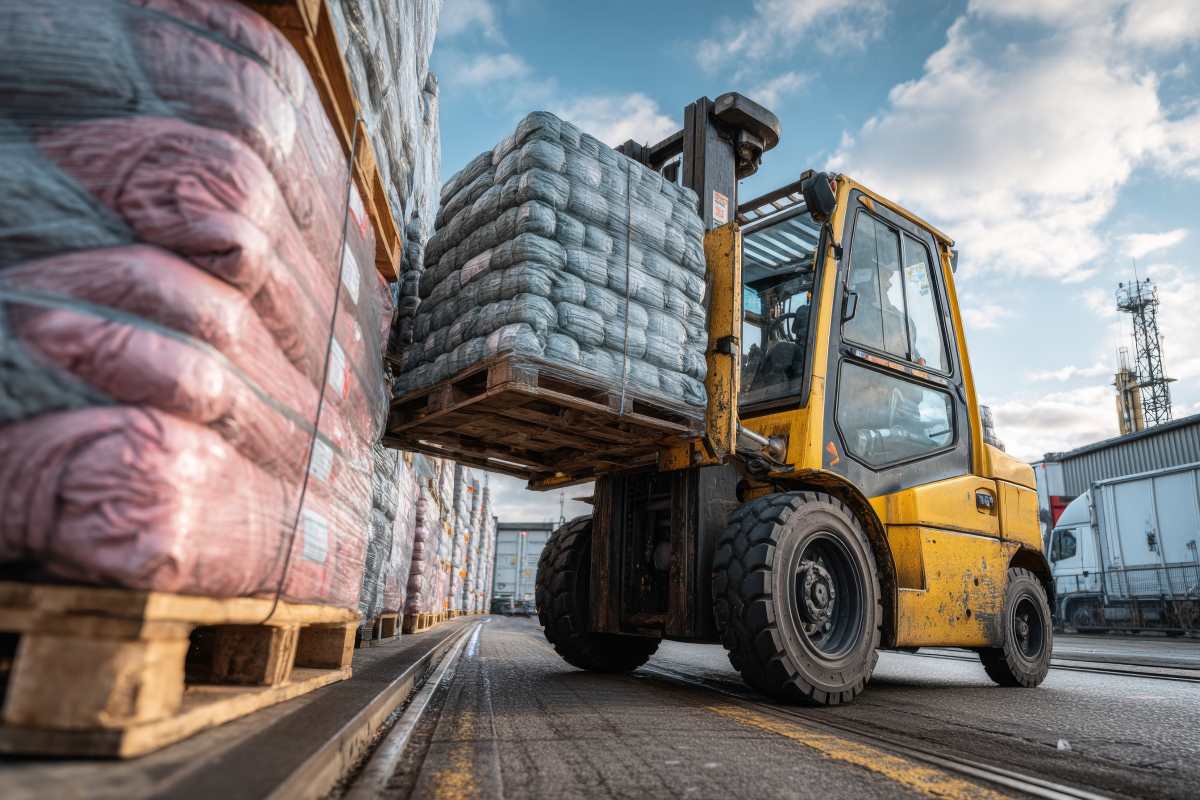
Pneumatic tyres are commonly found on forklifts used outdoors, particularly in construction yards, timber yards, builders’ merchants, ports, and other environments where ground conditions may be rough or inconsistent.
Key Features of Pneumatic Tyres
Pneumatic tyres typically offer:
- Larger tyre diameter
- Greater ground clearance
- Improved shock absorption
- Enhanced traction
- Better performance on uneven surfaces
- Increased outdoor capability
These advantages make them ideal for demanding environments where surface conditions are less predictable.
The Main Differences Between Cushion and Pneumatic Tyres
While both tyre types support forklift operation, their performance characteristics differ significantly.
Surface Suitability
This is often the biggest deciding factor.
- Cushion tyres perform best on:
- Smooth warehouse floors
- Polished concrete
- Indoor production facilities
- Distribution centres
Pneumatic tyres are better suited to:
- Gravel surfaces
- Asphalt yards
- Construction sites
- Uneven outdoor terrain
- Mixed indoor and outdoor operations
If your forklift regularly travels across rough ground, pneumatic tyres are generally the safer and more practical choice.
Ride Comfort
Forklift operators often spend long hours behind the controls, making ride quality an important consideration.
Pneumatic tyres naturally absorb shocks because of their construction. Air-filled variants provide the greatest cushioning effect, helping reduce vibration and operator fatigue.
Cushion tyres offer a firmer ride because they consist of solid rubber mounted directly to a steel band. While this is perfectly acceptable on smooth indoor floors, operators may notice significantly more vibration when travelling across rough surfaces.
For operations involving outdoor travel, pneumatic tyres usually provide a more comfortable experience.
Manoeuvrability
One area where cushion tyres excel is manoeuvrability.
The smaller tyre size allows manufacturers to design forklifts with tighter turning circles. This can be extremely valuable in warehouses where space is limited and aisles are narrow.
Benefits include:
- Easier navigation in confined spaces
- Improved productivity in tight layouts
- Better utilisation of warehouse floor space
- For indoor operations where every metre matters, cushion tyre forklifts often provide a significant advantage.
Ground Clearance
Ground clearance becomes increasingly important when forklifts operate outdoors.
Pneumatic tyre forklifts sit higher off the ground, helping them navigate:
- Potholes
- Uneven surfaces
- Debris
- Loading yards
- Outdoor storage areas
Cushion tyre forklifts have lower ground clearance, which can create challenges when operating on rough terrain.
For businesses working primarily outdoors, pneumatic tyres generally provide greater flexibility.
Traction Performance
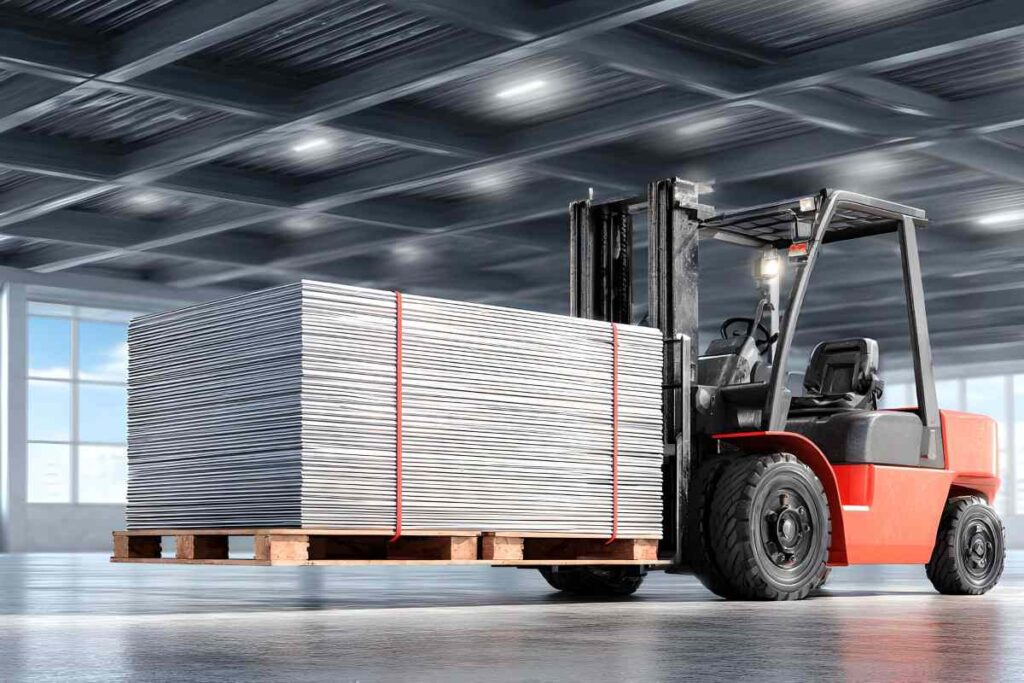
Traction affects both safety and productivity.
Pneumatic tyres feature deeper tread patterns that provide improved grip on:
- Wet surfaces
- Loose gravel
- Dirt
- Uneven ground
This additional traction helps maintain stability when carrying loads outdoors.
Cushion tyres offer sufficient grip for smooth warehouse floors but are not designed to perform in challenging outdoor conditions.
If weather exposure is a factor, pneumatic tyres often deliver superior performance.
Maintenance Requirements
One of the major benefits of cushion tyres is their simplicity.
Because they contain no air, they cannot suffer punctures or pressure-related issues.
Advantages include:
- Minimal tyre maintenance
- No inflation checks
- No puncture repairs
- Consistent performance
Air-filled pneumatic tyres require more monitoring and may occasionally need repair or replacement following punctures.
However, many operations choose solid pneumatic tyres, which combine the durability of solid rubber with the performance characteristics of traditional pneumatic designs.
Cost Considerations
Initial and ongoing costs vary depending on tyre type and operating conditions.
Cushion tyres often offer:
- Lower maintenance costs
- Longer service life on indoor surfaces
- Reduced downtime
Pneumatic tyres may involve:
- Higher replacement costs
- Additional maintenance
- Increased purchase prices on some models
However, choosing the wrong tyre type can create far greater costs through reduced productivity, excessive wear, and equipment damage.
This is why understanding your application is more important than simply selecting the cheapest option.
Businesses seeking guidance on choosing the right tyres for your forklift can benefit from assessing operating surfaces, load requirements, and environmental conditions before making a purchase decision.
Which Tyre Type Is Right for Your Operation?
The answer largely depends on where and how your forklift will be used.
Cushion Tyres Are Usually Best If You:
- Operate primarily indoors
- Have smooth concrete floors
- Need maximum manoeuvrability
- Work in narrow aisles
- Want lower maintenance requirements
Pneumatic Tyres Are Usually Best If You:
- Operate outdoors regularly
- Travel across uneven surfaces
- Require greater traction
- Need higher ground clearance
- Work in mixed indoor and outdoor environments
For many warehouse-based businesses, cushion tyres provide the ideal balance of manoeuvrability and efficiency. For outdoor applications, pneumatic tyres typically offer the durability and performance needed to handle challenging conditions safely.
Companies looking for forklifts available for warehouse and logistics operations should carefully consider tyre selection during the buying process, as it has a direct impact on operational efficiency, safety, and long-term ownership costs. Whether you’re investing in new equipment or upgrading an existing fleet, exploring forklifts available for warehouse and logistics operations can help ensure you choose a model suited to your working environment.
Final Thoughts
There is no universally better option when comparing cushion tyres and pneumatic tyres. The right choice depends entirely on your operating environment.
Cushion tyres deliver exceptional manoeuvrability, low maintenance requirements, and strong performance on smooth indoor floors. Pneumatic tyres provide superior traction, shock absorption, and versatility across outdoor and uneven surfaces.
Before purchasing a forklift, take the time to evaluate where the truck will spend most of its working life. Matching the tyre type to the application will improve safety, reduce operating costs, and maximise productivity throughout the equipment’s lifespan.

Related Posts
10 Useful Forklift Attachments for Safer, More Efficient Material Handling
7 Common Forklift Brake Problems and How to Fix Them
10 Common Electric Forklift Problems
6 Hidden Costs of Buying a Forklift — and How to Avoid Them

Complete Warehouse Relocation Checklist