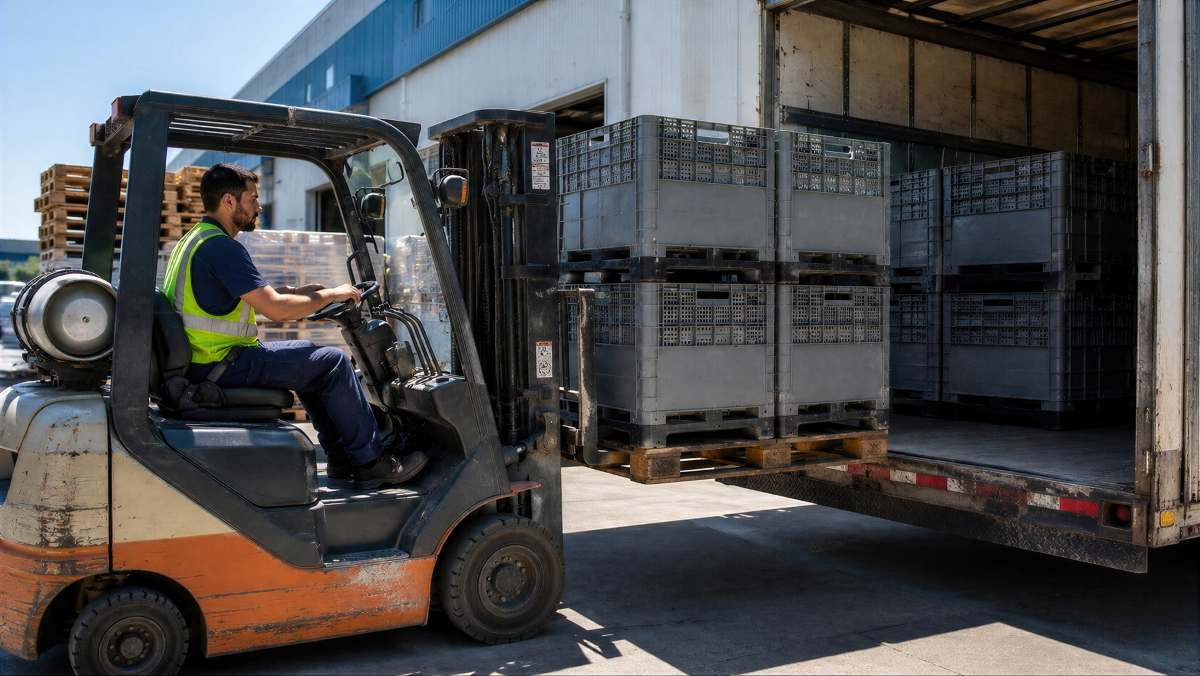
Forklift operators play a vital role in warehouses, distribution centres, manufacturing facilities, and logistics operations. However, operating a forklift for extended periods can be physically and mentally demanding. Fatigue can affect concentration, reaction times, decision-making, and overall safety, increasing the risk of accidents and reducing productivity.
Preventing operator fatigue should be a priority for every business that relies on material handling equipment. By creating a safer and more comfortable working environment, employers can help operators remain alert and productive throughout their shifts.
Here are 10 effective ways to reduce forklift operator fatigue and support safer operations.
1. Schedule Regular Breaks
One of the simplest and most effective ways to combat fatigue is to ensure operators take regular breaks throughout the day.
Continuous forklift operation can lead to mental exhaustion, particularly in busy environments where operators must remain constantly aware of pedestrians, stock, and other vehicles.
Short breaks allow operators to:
- Rest their eyes
- Stretch muscles
- Rehydrate
- Improve concentration
- Reduce mental fatigue
Even brief pauses during a shift can help maintain alertness and reduce the likelihood of mistakes.
2. Encourage Proper Hydration
Dehydration can contribute to tiredness, headaches, reduced concentration, and slower reaction times.
Operators working in warm warehouses or outdoor environments may be particularly susceptible to dehydration during longer shifts.
Employers should ensure:
- Drinking water is easily accessible
- Operators are encouraged to drink regularly
- Hydration facilities are conveniently located
Maintaining hydration levels helps support physical performance and cognitive function throughout the working day.
3. Improve Seat Comfort and Ergonomics
Forklift operators often spend many hours seated behind the controls. Poor seating positions and inadequate support can contribute to discomfort and fatigue.
Well-designed operator seating should provide:
- Adequate lumbar support
- Adjustable positioning
- Comfortable cushioning
- Proper visibility
Regularly inspecting and replacing worn seats can significantly improve operator comfort and reduce strain on the back, shoulders, and neck.
4. Reduce Whole-Body Vibration
Forklifts operating on rough or uneven surfaces can expose operators to significant levels of vibration.
Over time, excessive vibration may contribute to:
- Muscle fatigue
- Lower back discomfort
- Reduced concentration
- Operator discomfort
Maintaining smooth operating surfaces, servicing suspension systems where applicable, and ensuring tyres remain in good condition can help minimise vibration-related fatigue.
Businesses operating outdoors should pay particular attention to yard conditions, potholes, and uneven ground surfaces.
5. Optimise Warehouse Lighting
Poor lighting forces operators to work harder to identify obstacles, read labels, and navigate safely.
This increased visual strain can lead to fatigue, particularly during long shifts.
Good warehouse lighting should:
- Eliminate dark areas
- Minimise glare
- Provide clear visibility throughout operating zones
- Support accurate stock identification
Proper illumination not only reduces fatigue but also contributes to overall workplace safety.
6. Maintain Comfortable Workplace Temperatures
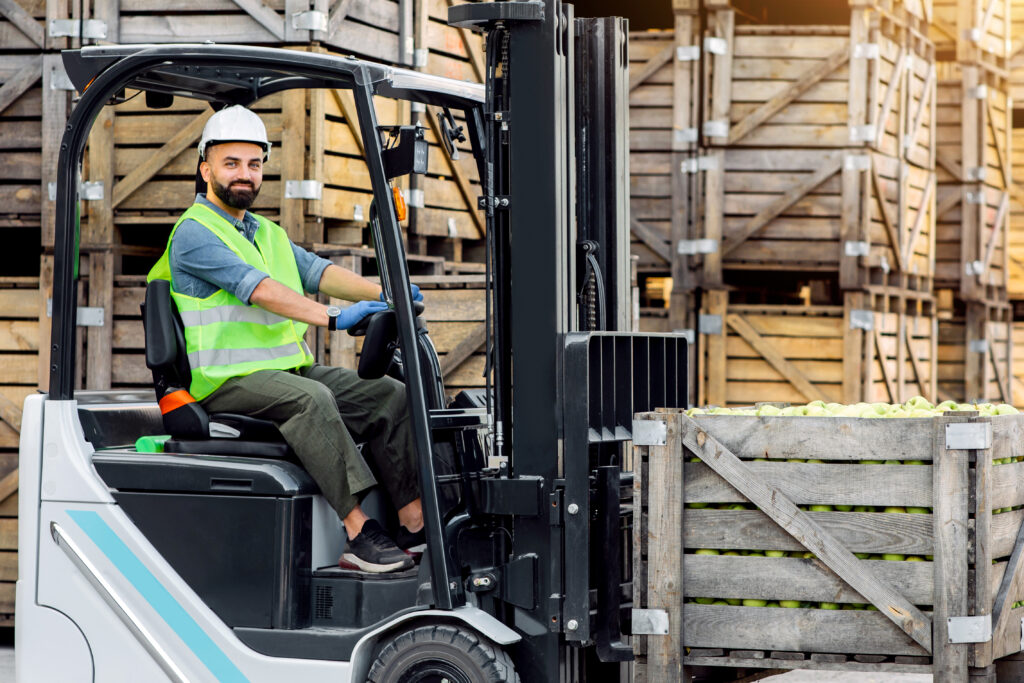
Working in environments that are excessively hot or cold can place additional stress on operators.
Extreme temperatures often lead to:
- Reduced concentration
- Physical discomfort
- Increased tiredness
- Lower productivity
Where possible, businesses should regulate indoor temperatures and provide suitable protective clothing for operators working outdoors.
A comfortable working environment can help employees remain focused for longer periods.
7. Rotate Tasks When Possible
Performing the same task repeatedly for an entire shift can contribute to both physical and mental fatigue.
Where operationally practical, task rotation can help reduce repetitive strain and provide variety throughout the day.
Examples may include rotating operators between:
- Forklift operation
- Picking duties
- Inventory checks
- Loading activities
- Administrative tasks
Changing activities periodically helps maintain engagement and reduces monotony.
8. Ensure Forklifts Are Properly Maintained
Equipment condition can have a direct impact on operator comfort.
Poorly maintained forklifts may create additional challenges such as:
- Excessive vibration
- Steering difficulties
- Unresponsive controls
- Increased noise levels
- Reduced visibility
Routine maintenance helps ensure equipment operates smoothly and safely.
Businesses investing in industrial forklift equipment for commercial businesses should prioritise regular servicing to maximise both performance and operator comfort.
9. Provide Ongoing Operator Training
Proper training helps operators work more efficiently and safely.
Experienced operators who understand correct driving techniques are often better equipped to avoid unnecessary physical strain and fatigue.
Training should cover areas such as:
- Safe operating practices
- Load handling procedures
- Vehicle inspections
- Hazard awareness
- Ergonomic operating techniques
Refresher training can also help reinforce best practices and address unsafe habits that may contribute to operator fatigue. Businesses seeking to improve safety standards may benefit from understanding common forklift training mistakes that can negatively impact both safety and operator performance.
10. Encourage Adequate Rest Outside of Work
While employers can control many workplace factors, operator wellbeing outside of work also plays an important role.
Lack of sleep remains one of the most significant contributors to workplace fatigue.
Employees should be encouraged to:
- Maintain healthy sleep routines
- Prioritise adequate rest
- Report fatigue concerns
- Avoid operating equipment when excessively tired
Creating a workplace culture that recognises fatigue as a safety issue can help prevent accidents before they occur.
Why Managing Forklift Operator Fatigue Matters
Fatigue affects far more than operator comfort. It can influence every aspect of workplace safety and productivity.
Research consistently shows that tired workers are more likely to experience:
- Reduced concentration
- Slower reaction times
- Poor decision-making
- Increased errors
- Higher accident risks
In busy warehouse environments where forklifts operate around pedestrians and valuable inventory, even minor lapses in attention can have serious consequences.
By proactively addressing fatigue, businesses can improve both safety outcomes and operational efficiency.
Conclusion
Forklift operator fatigue is a genuine workplace risk that should not be overlooked. Long shifts, repetitive tasks, poor ergonomics, uncomfortable working conditions, and inadequate rest can all contribute to reduced alertness and performance.
Fortunately, many of the most effective solutions are straightforward to implement. Regular breaks, proper hydration, ergonomic seating, good equipment maintenance, ongoing training, and supportive workplace practices can significantly reduce fatigue levels.
By taking a proactive approach, businesses can create safer working environments, improve productivity, and help forklift operators remain focused and comfortable throughout every shift.

Related Posts
Predictive vs Preventive Maintenance: What’s the Difference?

The True Cost of Delaying a Forklift Repair
How Forklift Rentals Help Warehouses Stay Flexible
Top Industries that Benefit from Forklift Hire

How Warehousing Demands Are Changing Forklift Requirements