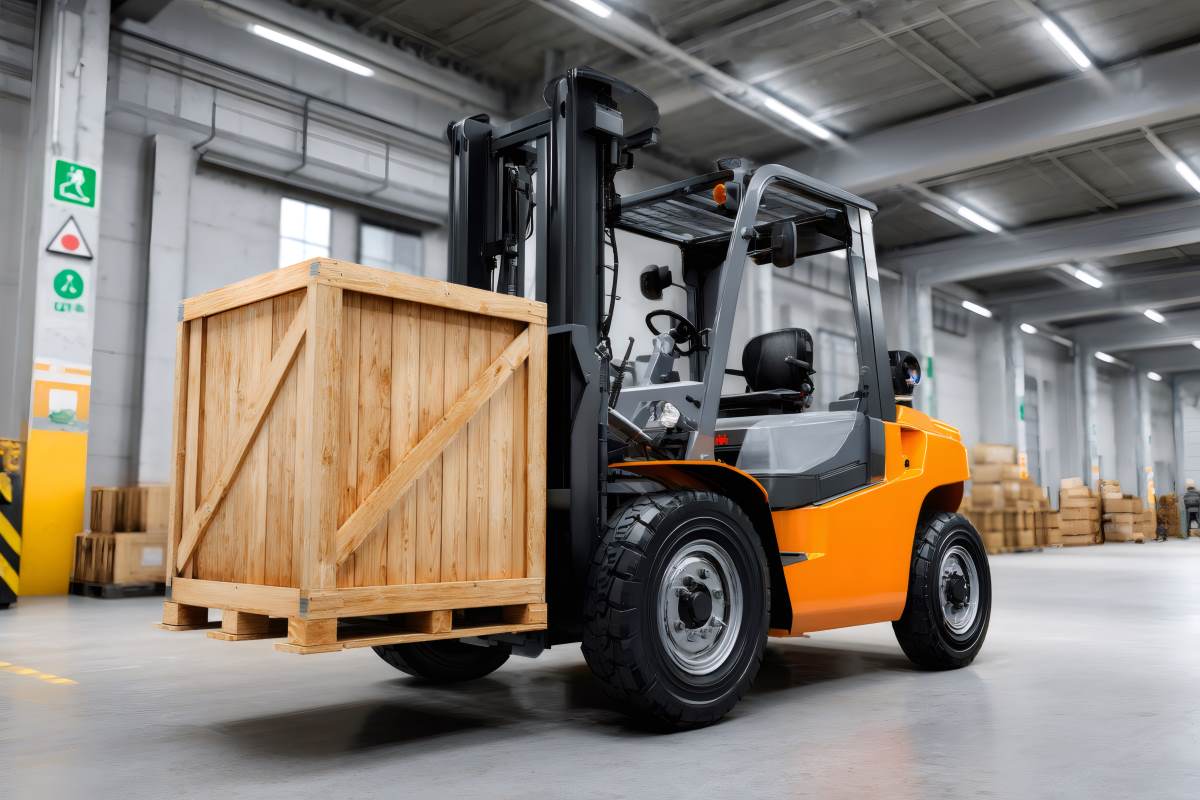
A forklift is one of the hardest-working machines on many industrial sites. It may spend every day lifting heavy loads, moving materials through narrow spaces and supporting time-sensitive warehouse or production operations. Like any other piece of equipment, however, its reliability and useful life depend on how it is selected, operated and looked after.
Forklift lifespan is usually measured in operating hours rather than simply by age. A machine that is used occasionally may be several years old but have relatively few hours on the clock. Another forklift working across multiple shifts may reach the same number of hours much sooner.
There is no universal point at which every forklift reaches the end of its life. Many manufacturers suggest that forklifts commonly operate for around 10,000 to 12,000 hours, which may equate to approximately five or six years when the machine is used for eight hours each day. This is only a general guide. Some forklifts will need major repairs sooner, while others can remain productive well beyond this range.
The difference is often determined by four main factors: the forklift’s power source, operator behaviour, the working environment and the quality of its maintenance programme.
1. Choosing the Right Power Source
The type of power used by a forklift can affect its maintenance requirements, performance and long-term durability. Electric and internal combustion forklifts can both be reliable, but they are designed for different applications.
Battery-electric forklifts have become increasingly popular in warehouses, distribution centres and manufacturing facilities. They are particularly suitable for indoor environments where reduced noise and zero exhaust emissions are important.
Why electric forklifts can have fewer mechanical problems
Electric forklifts generally contain fewer moving mechanical parts than internal combustion models. They do not rely on many of the engine components found in diesel, petrol or LPG forklifts, such as fuel injectors, spark plugs, exhaust systems and other parts exposed to combustion heat and vibration.
This simpler design can reduce the number of components likely to require attention. Electric forklifts may also have lower engine-related maintenance requirements, which can help reduce operating costs and support a longer working life.
Electric forklifts are not maintenance-free, however. Forks, tyres, chains, brakes, hydraulic systems and safety equipment still need regular inspection. The battery is also a major component that requires proper care.
A battery may eventually need to be replaced after approximately five years, although its actual lifespan depends on factors such as:
- How often the forklift is used.
- The number of charging cycles.
- Charging and discharging habits.
- The temperature of the operating and charging areas.
- The condition of the charger and electrical connections.
- Whether the battery receives the correct maintenance.
Poor charging practices or allowing the battery to remain deeply discharged can shorten its useful life. Businesses running electric forklifts should ensure that operators understand the correct charging procedure and that charging areas are properly managed.
When internal combustion forklifts are the better choice
Diesel, LPG and petrol forklifts remain highly useful for many applications. They are often selected for outdoor work, construction sites, yards and heavy-duty lifting tasks. Internal combustion models can also be practical where forklifts need to operate for long periods and rapid refuelling is more convenient than recharging a battery.
The disadvantage is that an engine-powered forklift contains more components requiring regular servicing. Engine oil, filters, coolant, fuel systems, belts, hoses and exhaust equipment all need to be inspected and maintained.
Neglecting these items can result in premature wear or major mechanical damage. For example, operating an engine with insufficient oil can cause excessive friction and overheating. In severe cases, the engine may be damaged beyond economical repair.
The most durable forklift is not necessarily the one with the simplest design. It is the one that is correctly matched to the work. Businesses unsure which type of equipment is most suitable can use Acclaim Handling’s materials handling equipment search and filter to compare equipment according to factors such as capacity, lift height, aisle width and power source.
2. Operator Behaviour and Training
The way a forklift is driven can have a direct impact on its lifespan. Two identical machines may experience very different levels of wear depending on how carefully they are operated.
Forklifts should never be driven as if they were ordinary road vehicles. Their rear-wheel steering, high centre of gravity and changing stability characteristics make them unique to operate. The weight, height and position of the load can also affect how the machine handles.
Aggressive driving may include:
- Travelling too quickly.
- Accelerating or braking harshly.
- Turning sharply.
- Carrying loads above the rated capacity.
- Driving over uneven surfaces at excessive speed.
- Striking racking, pallets, doors or other vehicles.
- Travelling with a raised load unnecessarily.
- Ignoring warning lights or unusual noises.
- Continuing to use a machine after a fault has been noticed.
Every one of these behaviours can increase wear and raise the likelihood of an accident.
How speeding damages a forklift
Excessive speed reduces the operator’s reaction time and increases the force involved in a collision. An impact can damage the mast, overhead guard, forks, steering system, drive axle or chassis.
Damage is not always obvious immediately. A collision may affect the alignment of a component without stopping the forklift from working. As the machine continues to operate, the damaged part may place additional stress on connected components.
Speed also affects stability. A forklift carrying a raised or uneven load is more difficult to control, particularly when turning or braking. Travelling too quickly can cause the load to shift, the forklift to become unstable or the operator to lose control.
Pre-shift inspections
Safe operation begins before the forklift moves. A pre-shift check allows the operator to identify problems before they develop into expensive repairs or safety incidents.
Depending on the model, the inspection may include:
- Forks, fork pins and attachments.
- Mast channels, rollers and lift chains.
- Tyres and wheels.
- Steering and brakes.
- Hydraulic hoses, cylinders and fluid levels.
- Warning lights, alarms and the horn.
- Seat belt and restraint systems.
- Battery, cables and charging connections.
- Engine oil, coolant or fuel levels.
- Leaks, cracks or visible structural damage.
A forklift should not be used if a fault could affect safe operation. Defects should be reported through a clear procedure, and the equipment should be assessed by a qualified person.
Acclaim Handling provides dedicated pre-shift inspection and workplace equipment training to help businesses develop consistent inspection procedures.
Building better operator habits
Training should be appropriate to the type of forklift being used. A person trained on a counterbalance truck may not be competent to operate a reach truck, very narrow aisle machine or telehandler without additional training.
Acclaim Handling offers RTITB-accredited equipment training for novice operators, refresher training and conversion courses. Training can take place at an accredited centre or at the customer’s premises using the equipment and layout operators encounter every day.
Businesses that want to develop internal training capability can also explore Acclaim Handling’s forklift instructor training course or its wider instructor training programme.
Technology can also reinforce good habits. Speed controls, impact detection and digital pre-start checklists can help managers monitor forklift use and identify recurring problems. These systems should support, rather than replace, proper training and supervision.
3. The Working Environment
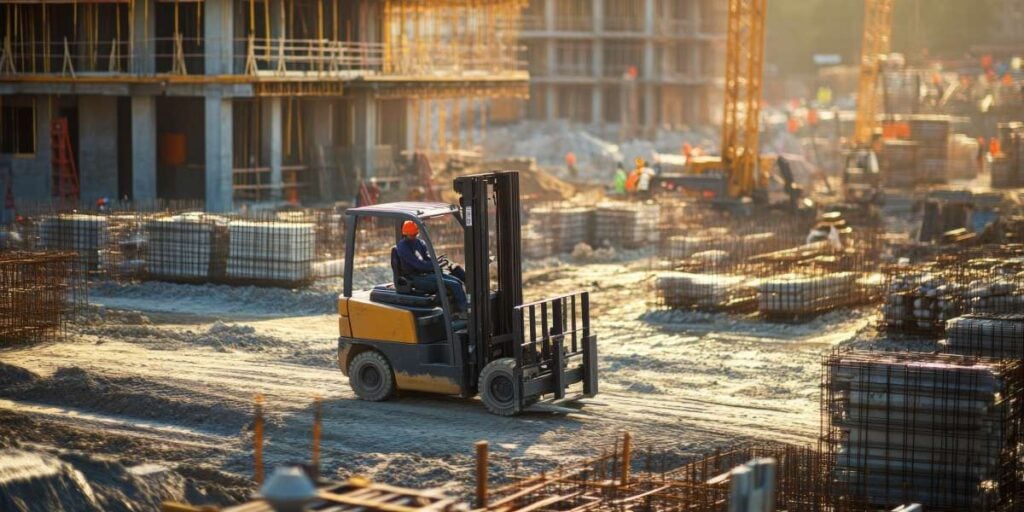
A forklift operating on a clean, smooth warehouse floor will usually experience less environmental stress than a machine working outdoors, in a recycling facility or inside a chemical plant.
The conditions surrounding a forklift can affect its tyres, chassis, electrical systems, engine, cooling equipment and lifting components. Common challenging environments include:
- Construction sites with mud, rain and uneven ground.
- Recycling facilities with dust, waste and loose debris.
- Agricultural and food-processing sites.
- Cold-storage facilities.
- Chemical plants.
- Outdoor yards and loading areas.
- Factories with dust, heat or airborne contaminants.
Dust and debris
Loose material can accumulate around wheels, axles, motors and other moving parts. If it is not removed, debris may restrict movement, increase friction or contribute to component failure.
Dust can also block cooling systems. Restricted airflow forces engines, motors and electrical equipment to work at higher temperatures. Overheating can reduce performance and result in costly repairs.
Regular cleaning is particularly important in recycling, agricultural and manufacturing environments, where contamination can build up quickly.
Moisture and corrosion
Rain, standing water and high humidity can cause rust on metal components. Over time, corrosion may affect the chassis, mast, counterweight and other structural parts.
Water can also enter electrical connections. Once moisture reaches wires, plugs or control units, corrosion can create intermittent faults or complete electrical failure.
Chemical exposure may accelerate corrosion. Forklifts used near corrosive substances should be suitable for those conditions, and any contamination should be removed promptly using appropriate procedures.
Extreme temperatures can cause additional problems. Cold conditions may affect batteries, lubricants and hydraulic systems, while hot environments can place extra pressure on engines, motors and cooling systems.
Protecting equipment from its surroundings
Businesses can reduce environmental wear by:
- Keeping forklifts clean and dry.
- Removing dust and debris regularly.
- Clearing build-up from cooling systems.
- Inspecting electrical connections for moisture.
- Protecting exposed cables and connectors.
- Cleaning off mud, chemicals and product residue.
- Repairing damaged floors and potholes.
- Selecting tyres suitable for the surface.
- Storing forklifts under cover whenever possible.
Cleaning has an additional benefit: it makes faults easier to spot. Oil leaks, cracks, loose parts and corrosion are much more visible on a clean machine.
4. Maintenance and Thorough Examinations
Regular maintenance is one of the most effective ways to extend forklift lifespan. It helps maintain performance, supports safe operation and allows developing faults to be addressed before they become serious.
Maintenance should follow the manufacturer’s instructions and be adapted to the machine’s usage. A forklift operating for several shifts in a harsh environment may need more frequent attention than a machine used occasionally in a clean warehouse.
Routine maintenance may include:
- Engine oil and filter replacement.
- Hydraulic oil checks and changes.
- Inspection of hoses, cylinders and seals.
- Mast, roller and chain inspection.
- Fork wear and damage checks.
- Brake and steering checks.
- Tyre and wheel inspections.
- Battery and charger checks.
- Examination of warning devices.
- Fault-code diagnostics.
- Lubrication of moving components.
Planned maintenance reduces downtime
Reactive maintenance only begins after something has failed. Although emergency repairs cannot always be avoided, relying on them as the main maintenance strategy can be expensive.
A small hydraulic leak may become a major system failure. A worn chain may become a serious lifting hazard. A damaged tyre may affect stability and steering. A blocked radiator may lead to overheating.
Planned maintenance is designed to identify these problems early. Acclaim Handling’s forklift repair and servicing service can be structured around a business’s equipment, working hours and operating conditions.
The company also explains the financial and safety benefits of servicing in its guide to why you should service your forklift.
Servicing is not the same as a thorough examination
A service is intended to maintain the forklift and keep it operating effectively. A thorough examination is a separate statutory inspection of safety-critical components.
Businesses can learn more about the process through Acclaim Handling’s guide to forklift thorough examinations. Keeping servicing and examination records together helps managers monitor the condition and compliance status of each machine.
If an inspection identifies a defect, the forklift may need to be removed from service until the issue is corrected. Acclaim Handling can also support businesses with forklift repairs and forklift parts for all makes.
For urgent faults, urgent forklift repairs may help reduce downtime, particularly where the machine is essential to loading, production or warehouse operations.
5. Planning for Downtime and Replacement
Even the best-maintained forklift will eventually need repair, replacement or temporary cover. Planning for this possibility is more effective than waiting until a machine fails during a busy shift.
A business may need a replacement forklift because:
- A machine has broken down.
- A forklift is undergoing a major repair.
- Demand has increased temporarily.
- A new contract requires additional capacity.
- A seasonal workload has created extra pressure.
- A specialist truck is needed for a short-term project.
Acclaim Handling offers flexible forklift hire for short-term and longer-term requirements. Hiring can provide access to a suitable machine without the capital cost of buying one, and it can help businesses maintain productivity while existing equipment is repaired.
Where a forklift has failed unexpectedly, emergency forklift hire may provide a faster solution for keeping operations moving.
Selecting the right replacement
When replacing or adding a forklift, businesses should consider:
- Maximum load weight.
- Load dimensions and stability.
- Required lift height.
- Mast height when lowered.
- Aisle width.
- Indoor or outdoor operation.
- Daily operating hours.
- Surface conditions.
- Temperature and weather exposure.
- Available charging or refuelling facilities.
- Required attachments.
- Operator training requirements.
Choosing the correct machine reduces the risk of overloading, unsuitable use and premature wear.
Businesses should also review their overall compliance position. Acclaim Handling’s forklift compliance self-check can help identify whether documentation, training, inspections and maintenance arrangements are in place.
Conclusion
A forklift’s lifespan is shaped by much more than the number of hours shown on its meter. Its power source, operating conditions, driver behaviour and maintenance history all influence how long it remains safe, reliable and productive.
Electric forklifts may benefit from simpler mechanical systems, while internal combustion models remain valuable for demanding outdoor and heavy-duty work. Careful operators reduce impact damage and unnecessary wear. Clean working environments protect against dust, debris, moisture and corrosion. Planned servicing helps identify faults before they become expensive breakdowns.
The most effective approach is to treat forklift longevity as an ongoing management responsibility. Select the right equipment, train operators properly, complete pre-shift checks, monitor usage and maintain every machine according to its workload.
When a forklift does require attention, timely servicing, repairs, parts supply or temporary hire can prevent a small problem from becoming a major interruption. This approach protects the equipment, the operator and the wider business while helping every forklift deliver more productive working hours.
Summary Table
| Factor | How it affects forklift lifespan | Key action |
| Power source | Electric forklifts have fewer engine-related components, while internal combustion models require more servicing but may be better for outdoor or heavy-duty use. | Choose the power source that matches the working environment, duty cycle and refuelling or charging arrangements. |
| Operator behaviour and training | Speeding, harsh braking, overloading and poor handling can increase wear, cause impact damage and reduce safety. | Provide suitable training, reinforce safe driving habits and complete pre-shift inspections. |
| Working environment | Dust, debris, moisture, chemicals, uneven surfaces and extreme temperatures can damage tyres, components, electrics and structures. | Keep forklifts clean, protect them from harsh conditions and maintain safe operating surfaces. |
| Maintenance and thorough examinations | Neglected servicing allows small faults to become major failures and may compromise safety-critical systems. | Follow a planned maintenance schedule and keep servicing separate from statutory thorough examinations. |
| Downtime and replacement planning | Unexpected breakdowns can disrupt productivity, especially when a forklift is essential to daily operations. | Plan for repairs, temporary hire or replacement before equipment failure causes operational disruption. |

Related Posts
10 Useful Forklift Attachments for Safer, More Efficient Material Handling
7 Common Forklift Brake Problems and How to Fix Them
10 Common Electric Forklift Problems
6 Hidden Costs of Buying a Forklift — and How to Avoid Them
Complete Warehouse Relocation Checklist