



A PAL card is one way to show that an operator is trained on a scissor lift or cherry picker. It isn’t the only way.
This guide explains what the card is, when a site will insist on one, and when other accredited training is accepted. We train MEWP operators to RTITB standards at our Purfleet and Kent centres and on customers’ sites.
PAL cards are issued only through IPAF’s own training centres, so if your site requires one, IPAF lists where to get it.
It also covers what the MEWP categories 1A, 1B, 3A and 3B mean, and what the law asks of employers. It is general guidance, not legal advice.
What IPAF and the PAL card are
IPAF is the International Powered Access Federation. Its PAL card, short for Powered Access Licence, covers mobile elevating work platforms (MEWPs), mast climbing work platforms (MCWPs) and construction hoists.
- How it is issued. Operators complete an IPAF training course and pass a test at an IPAF approved training centre.
- How long it lasts. Five years from the first day of the training course, dependent on your country or region’s regulations.
- Digital. In the UK and Ireland, PAL cards have been issued digitally through IPAF’s ePAL app since June 2021. A printed card is still available.
- Checking one. Site and safety managers can check a PAL card on IPAF’s Verify PAL Card page, using the licence number and the holder’s date of birth.
- The + sign. A “+” after category 1B, 3A or 3B, such as 3A+, means the holder has also completed PAL+, which adds practical training and testing on that category.
Need operators trained on scissor lifts or cherry pickers? Our MEWP courses are RTITB accredited at Purfleet and Kent.
MEWP categories: what 1A, 1B, 3A and 3B mean
A PAL card lists the machine categories its holder is qualified on. HSE’s guidance expects any operator’s certificate or card to list the MEWP categories in the same way. The four main categories:
| Category | Name | Machines it covers |
|---|---|---|
| 1A | Static Vertical | Vertical personnel platforms (static) |
| 1B | Static Boom | Self-propelled booms (outriggers), trailers/push-arounds, vehicle-mounted platforms |
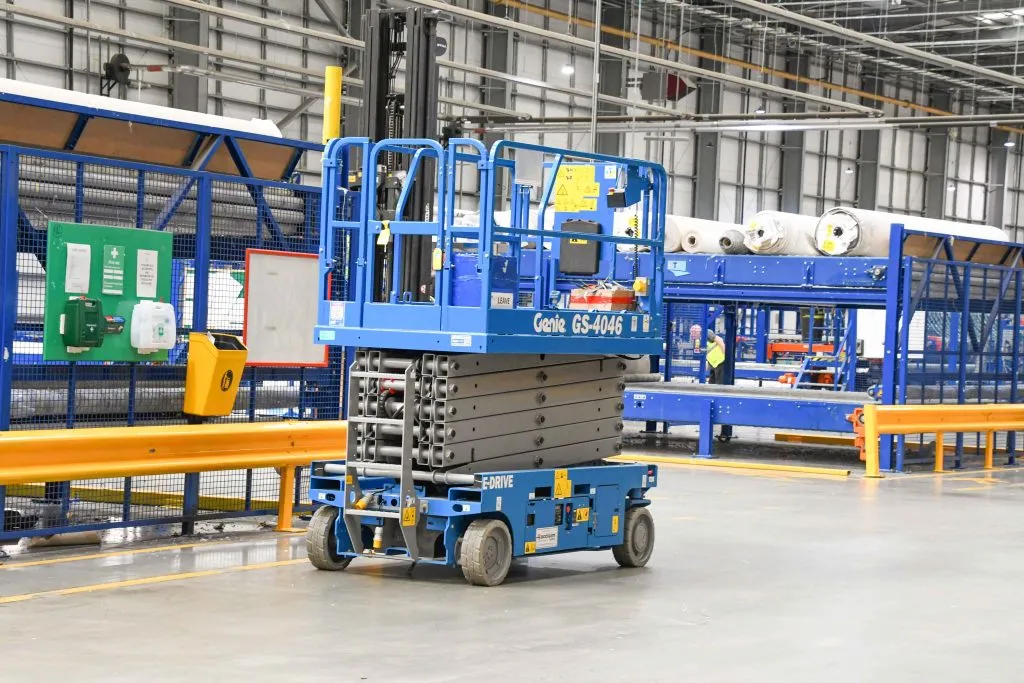
| 3A | Mobile Vertical | Scissor lifts, vertical personnel platforms (mobile) |
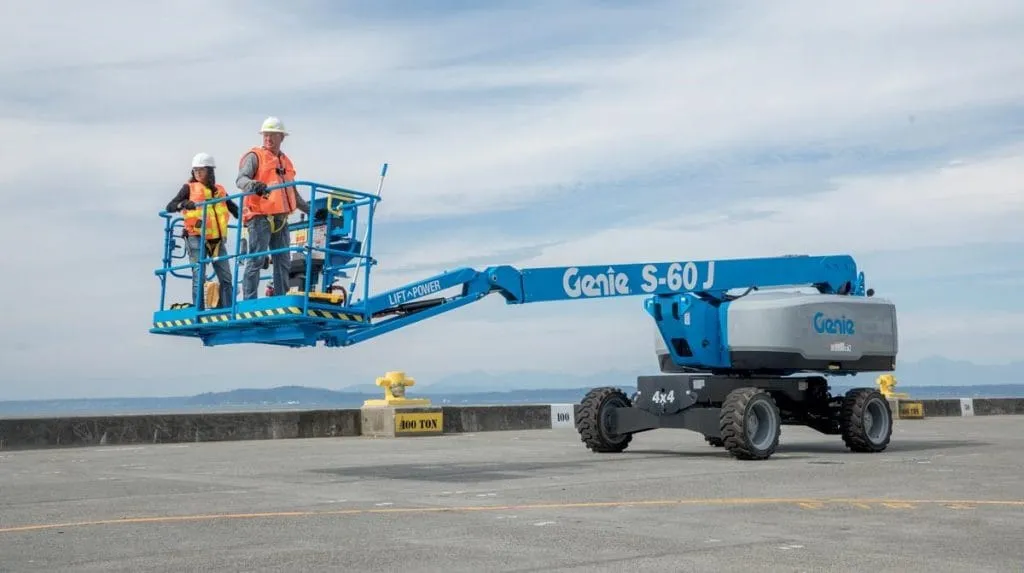
| 3B | Mobile Boom | Self-propelled booms |
Category 3A covers scissor lifts; our guide explains what a scissor lift is.
Read the code in two halves. The number says whether the machine is static (1) or mobile (3). The letter says whether it is a vertical machine (A) or a boom (B). Machines that travel with the platform raised but are controlled from the base sit in the Special category.
There are also categories for push-around verticals (PAV), specialist machines (Special), mast climbing work platforms (MCWP), insulated aerial devices (IAD), harness use and inspection (H), loading and unloading (LOAD), MEWPs for managers (MM), and goods hoists, transport platforms and passenger hoists.
What the law asks for
The regulations ask for adequate training and competence. They don’t name a scheme.
- PUWER 1998, regulation 9. Every employer must make sure that everyone who uses work equipment has had adequate training for health and safety, covering the methods, the risks and the precautions. Anyone who supervises or manages that use needs adequate training too.
- Work at Height Regulations 2005, regulation 5 (England, Wales and Scotland). No one takes part in work at height, including organising, planning and supervising it, unless they are competent, or are being trained under the supervision of a competent person.
- LOLER 1998, regulation 8. Every lifting operation is properly planned by a competent person, appropriately supervised and carried out safely.
- LOLER 1998, regulation 9. Equipment for lifting people is thoroughly examined at least every six months, or under an examination scheme, and again after exceptional circumstances that could affect its safety.
HSE’s guidance on MEWPs is that operators should have attended a recognised operator training course and hold a certificate, card or “licence” listing the categories of MEWP they are trained to operate, and that its expiry date should be checked. The employer’s side of the duty is covered in your duty as an employer under PUWER.
When a PAL card is asked for, and when it isn’t
The site asks for a PAL card. Then the operator needs a PAL card. An RTITB certificate is a different qualification, so tell us what the site has asked for and we’ll say before you book whether our course fits.
The site asks for trained, competent operators, or for recognised MEWP training. The regulations ask for adequate training and competence, and HSE’s MEWP guidance asks for a recognised course. Neither names a particular scheme. RTITB-accredited MEWP training may meet the requirement, but ask the site or principal contractor what they accept before anyone is booked.
Your own people, on your own site. Under PUWER regulation 9, making sure training is adequate is your duty as the employer, whichever accredited scheme you choose.
Whatever card or certificate an operator holds, HSE also expects familiarisation on the make and model they will use, and a rescue plan.
Beyond the card: familiarisation, checks and rescue
- Familiarisation. On top of formal training for the type of MEWP, operators should be familiarised with the controls and operation of the specific make and model they are using.
- Rescue. Have a plan for rescuing someone from a MEWP and practise it. Someone on the ground should know what to do and how to work the ground controls.
- Checks. Daily visual checks, regular inspections and servicing to the manufacturer’s instructions. Defects are reported, and a safety-critical fault takes the machine out of service.
- Thorough examination. At least every six months, or under an examination scheme. See LOLER thorough examinations.
- Fitness. HSE’s work at height questions ask whether the people using the MEWP are trained, competent and fit to do so.
Our MEWP courses
We run MEWP operator training for scissor lifts and cherry pickers. Both courses are RTITB accredited at our Purfleet and Kent centres, and we also train on customers’ sites. If your site needs a PAL card rather than an RTITB certificate, we’ll tell you before you book.
Every other course we run is on our training page.
Need operators trained on scissor lifts or cherry pickers? Our MEWP courses are RTITB accredited at Purfleet and Kent.