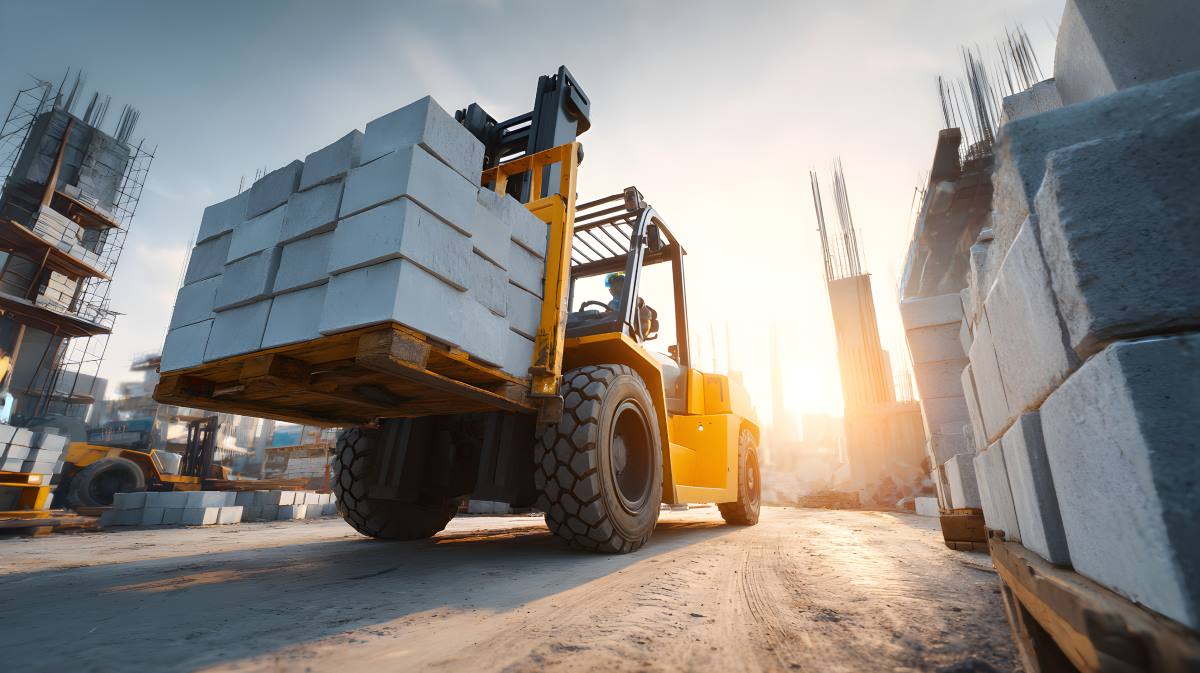
Forklifts are essential across warehouses, production sites, loading yards and distribution centres, but the forklift alone does not always provide the most efficient or the safest way to handle every load. The right attachment can help the standard forklift to take on more specialised tasks to help operators take on more awkward, heavy or fragile tasks with greater control.
For businesses dealing with a variety of stock, unusual load shapes or high volumes of goods, attachments can be far more than optional extras. They can reduce unnecessary day-to-day operations when they are selected, fitted and used correctly.
What Are Forklift Attachments?
Forklift attachments are specialist pieces of equipment fitted to a truck so it can perform a particular handling task. Some sit over the forks, while others attach to the carriage or replace the forks entirely. Depending on the job, they can help grip rolls, carry drums, support long materials, rotate containers, adjust fork spacing or improve load support.
Why the Right Attachment Matters for Manual Handling
Manual handling is not limited to lifting by hand. It also includes lowering, pushing, pulling, carrying, supporting and moving loads using physical effort. Where materials are heavy, bulky, repetitive or difficult to control, the right forklift attachment can help machinery take on more of the strain.
A suitable attachment can also make handling more efficient. Rather than relying on workers to reposition awkward goods, double-handle stock or improvise with unsuitable methods, operators can complete tasks with better accuracy and control. This is especially helpful when loads fragile, unstable, slippery, sharp, hot, oversized or difficult to grip.
Top 10 Forklift Attachments and When to Use Them
The best attachment for any site depends on the forklift, the load, the working area and the competence of the operator. The following options are commonly used to improve handling processes while keeping practicality and safety at the core of the operations
1. Fork Extensions
Fork extensions are sleeves that fit over existing forks to provide additional length and support. They are often used for oversized pallets, sheet materials, pipework, timber packs and other long or uneven loads that need a wider supporting surface than standard forks can offer.
Used correctly, they can reduce the need for employees to manually reposition awkward items. However, they must be chosen with care, as longer forks can change load stability and affect the forklift’s rated capacity. Operators should always consider the attachment, load centre and truck rating before lifting.
2. Side Shifters
A side shifter allows the operator to move the forks from side to side without repositioning the entire truck. This is especially useful in narrow aisles, loading bays and racking areas where small adjustments can make a significant difference to accuracy.
By improving placement precision, side shifters can help reduce damage to pallets, racking and products. They also cut down on repeated manoeuvring, which can save time and reduce operator fatigue during busy shifts.
3. Fork Positioners
Fork positioners allow operators to adjust the distance between the forks hydraulically from the cab. They are well suited to sites handling different pallet sizes, crates, stillages or wider loads that require accurate fork spacing.
This avoids the need for workers to move heavy forks by hand and helps ensure the load is properly supported before lifting. Correct fork spacing improves stability, lowers the risk of pallet damage and makes busy handling operations quicker and safer.
4. Paper Roll Clamps
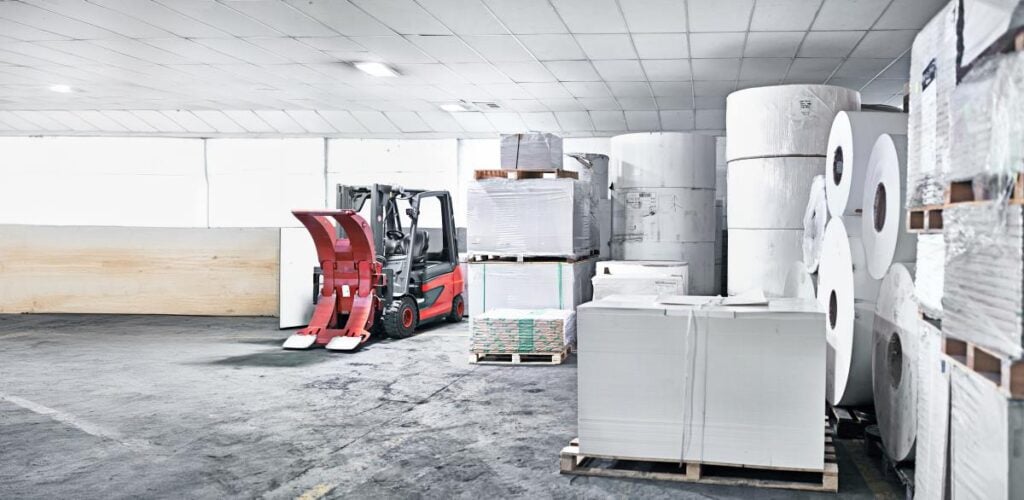
Paper roll clamps are designed to hold and transport large cylindrical loads without needing pallets. Commonly used in print, packaging, paper production and distribution environments, they use curved arms to apply controlled pressure around the roll.
Because rolls can be heavy, awkward and prone to movement, a suitable clamp helps protect both the material and the workforce. It allows trained operators to lift, rotate and position rolls more reliably while reducing the risk of damage or unsafe manual handling.
5. Drum Clamps
Drum clamps are made for lifting, moving and stacking drums or barrels. Depending on the design, they may grip the rim, the body or the side of the drum, and some models can handle multiple drums at once.
They are particularly useful in chemical, food production, manufacturing, waste management, oil, paint and cleaning product environments. By allowing the forklift to take the weight and maintain control of the drum, the attachment can reduce strain, improve handling predictability and help limit the risk of spills.
6. Bale Clamps and Carton Clamps
Bale clamps and carton clamps are used for loads that are not always moved on pallets. Instead of lifting from underneath, they grip the sides of the load with broad clamping arms,
making them suitable for compressed bales, stacked cartons, textiles, recyclables, packaged goods and some large, boxed products.
They can be particularly valuable where pallet-free handling saves space, reduces packaging costs or speeds up movement through the site. The correct clamping force is essential: it needs to hold the load securely without crushing, slipping or damaging the product.
7. Rotators
Rotators allow the forks or a specialist attachment to turn through 360 degrees, making it easier to tip, invert or empty containers, bins and boxes. They are commonly used in waste handling, agriculture, food production and manufacturing where bulk materials need to be discharged safely and efficiently.
By mechanising the tipping process, rotators can reduce manual effort and keep employees further away from potentially hazardous loads. They can also improve productivity where containers need to be emptied frequently or positioned precisely as part of a production process.
8. Work Platforms and Man Baskets
Work platforms, often called man baskets, are secure cage-style platforms designed to be lifted by a forklift for approved tasks at height. They typically include guard rails, a non-slip floor and attachment points, depending on the design and relevant safety requirements.
They may be used for suitable elevated maintenance, stock checks, lighting work or access tasks where a properly designed platform is appropriate. Safe use depends on the correct attachment, a suitable forklift, trained personnel and compliance with site procedures and applicable regulations.
9. Carpet Poles
A carpet pole is a long, strong pole fitted to the forklift carriage and inserted into the core of rolled materials. It is mainly used for products such as carpets, vinyl, linoleum, textiles and some coils.
Because rolled goods can be difficult to support with ordinary forks, a carpet pole helps operators load, unload and transport them with less risk of crushing or distortion. It is a practical choice for flooring suppliers, textile operations and sites regularly handling long rolled products.
10. Load Backrests
A load backrest is a vertical frame fitted to the carriage behind the forks. It helps stop loads from shifting backwards towards the mast or operator, especially when handling tall, loose or uneven stacks.
Although it may seem like a simple addition, a load backrest is an important safety feature in many forklift operations. It supports load security, helps protect the mast and contributes to safer movement when goods are stacked high or may become unstable during travel.
Choosing the Right Forklift Attachment
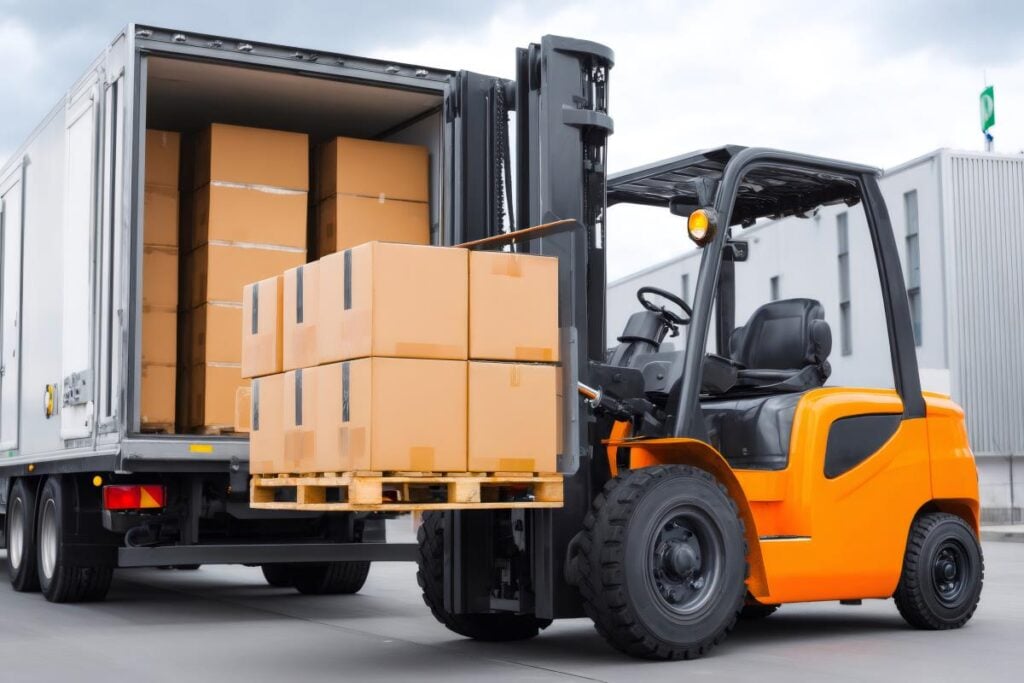
Selecting the right attachment starts with understanding the loads that are being handled. Weight, centre of gravity, surface type, dimensions, fragility and handling frequency all matter. An attachment that works well for light cartons may be completely unsuitable for heavy drums, long timber packs or delicate rolled materials.
It is also important to consider the wider working environment. Tight aisles, racking heights, loading bay layouts, floor conditions and travel distances can all influence the best choice. Speaking with experienced attachment specialists, such as the team at Acclaim Forklifts, can help ensure compatibility with your forklift fleet, safe working requirements and operational goals.
Safety Considerations
Attachments can improve productivity, but they must be used safely. Operators should be trained to fit, operate and inspect each attachment correctly, including understanding how it affects load capacity, stability, visibility and the forklift’s centre of gravity.
Regular inspections and maintenance are equally important. Damaged, worn or unsuitable attachments can create serious risks, so pre-use checks, manufacturer guidance and site safety procedures should always be followed. When attachments are properly managed, they can support safer handling as well as better efficiency.
Conclusion
Forklift attachments can transform the way a business handles various materials. From increasing precision in tight spaces to supporting drums, rolls, bales and long loads, the right accessory helps a forklift perform more safely, efficiently and flexibly. By choosing attachments carefully and ensuring operators are properly trained, businesses can reduce manual handling risks, protect stock and get more value from their forklift fleet.
Summary Table
| Forklift Attachment | Main Use | Key Benefit |
| Fork Extensions | Supporting oversized pallets, long loads, pipework, timber packs and sheet materials. | Provides extra fork length and better load support when standard forks are not sufficient. |
| Side Shifters | Moving forks from side to side without repositioning the forklift. | Improves placement accuracy, reduces manoeuvring and helps prevent product or racking damage. |
| Fork Positioners | Adjusting fork spacing hydraulically for different pallet sizes, crates and wider loads. | Reduces manual fork adjustment and improves load stability. |
| Paper Roll Clamps | Handling large cylindrical rolls without pallets. | Protects rolls from damage and improves control when lifting, rotating and positioning them. |
| Drum Clamps | Lifting, moving and stacking drums or barrels. | Reduces manual strain and helps limit the risk of spills. |
| Bale and Carton Clamps | Gripping pallet-free loads such as bales, cartons, textiles and recyclables. | Saves space, reduces packaging needs and speeds up handling when used with correct clamping force. |
| Rotators | Tipping, emptying or inverting containers, bins and boxes. | Makes discharge tasks safer and more efficient by reducing manual effort. |
| Work Platforms and Man Baskets | Providing secure elevated access for approved tasks at height. | Supports safer access when used with suitable equipment, training and site procedures. |
| Carpet Poles | Handling rolled products such as carpets, vinyl, linoleum and textiles. | Reduces crushing or distortion when moving long rolled goods. |
| Load Backrests | Supporting tall, loose or uneven loads behind the forks. | Helps prevent loads from shifting backwards and improves overall load security. |

Related Posts
7 Common Forklift Brake Problems and How to Fix Them
10 Common Electric Forklift Problems
6 Hidden Costs of Buying a Forklift — and How to Avoid Them
Complete Warehouse Relocation Checklist
How to Choose the Right Forklift for Your Business