
On this page
- Start planning as early as possible
- Set a realistic move date
- Audit your current warehouse
- Assess the new warehouse carefully
- Build a realistic relocation budget
- Confirm the new layout before moving anything
- Create a detailed moving timeline
- Communicate with staff early
- Notify suppliers, carriers, and customers
- Review stock before the move
- Label everything clearly
- Plan racking and equipment moves properly
- Prepare for moving day
- Do a final check at the old site
- Test the new site before full go-live
- Train staff on the new setup
- Review the move afterwards
- Final thoughts
Relocating a warehouse is a major operational project. It affects stock, racking, equipment, staff, transport, safety, and customer service all at the same time.
That is why a warehouse move needs more than a moving date and a few delivery vehicles. It needs a clear plan, realistic timings, and the right support in place before anything starts moving.

This checklist breaks the process into practical stages so your move is easier to manage and less likely to disrupt the business.
Start planning as early as possible
A warehouse relocation usually runs more smoothly when planning starts early. In many cases, that means beginning several months before the move date rather than waiting until the final few weeks.
Early planning gives you time to:
- Review the current warehouse properly
- Fix layout mistakes in the new site
- Reduce disruption to customers and suppliers
- Book specialist support before schedules become tight
- Spot safety or access problems before moving day
The more complex the site, the more important this early stage becomes.
Set a realistic move date
The first key decision is when the move should happen.
Try to avoid:
- Peak trading periods
- Stock-heavy seasonal weeks
- Major delivery deadlines
- Times when key managers or supervisors are unavailable
A good move date should give you enough time to prepare stock, equipment, and staff without putting unnecessary pressure on daily operations.
Audit your current warehouse
Before designing the new setup, you need a clear picture of what you already have.
Walk the site and document:
- Current stock levels
- Racking types and locations
- Forklifts and handling equipment
- Office furniture and IT equipment
- Packing stations and work areas
- Damaged, outdated, or unused items
This is also the right time to ask what is not working well in the current warehouse. A move is a chance to improve flow, not just recreate old problems in a new building.
Assess the new warehouse carefully
A full site review of the new warehouse should happen before final planning is locked in.
Check key details such as:
- Floor area and layout
- Ceiling height
- Door openings and access points
- Docking bays
- Power supply
- Lighting
- Internet and communications
- Heating and ventilation
- Office and welfare areas
You should also confirm that your racking, equipment, and handling routes will actually fit the space.
Build a realistic relocation budget
Warehouse moves often cost more than people first expect, so budgeting needs to be detailed.
Include likely costs such as:
- Moving contractors
- Packing materials
- Specialist lifting or transport
- IT disconnect and reconnect work
- Racking disassembly and reinstallation
- New signage and fit-out
- Temporary storage if needed
- Downtime or reduced productivity during the move
A clear budget helps you make better decisions early and reduces the risk of last-minute compromise.
Confirm the new layout before moving anything
The new warehouse should not be arranged on guesswork once items start arriving.
Plan the layout in advance, including:
- Goods-in and goods-out areas
- Storage zones
- Picking routes
- Packing benches
- Equipment parking points
- Office areas
- Pedestrian walkways
This stage should also include site safety thinking. If forklifts and pedestrians will share space, you need a clear traffic management plan for forklifts before the site goes live.
Create a detailed moving timeline
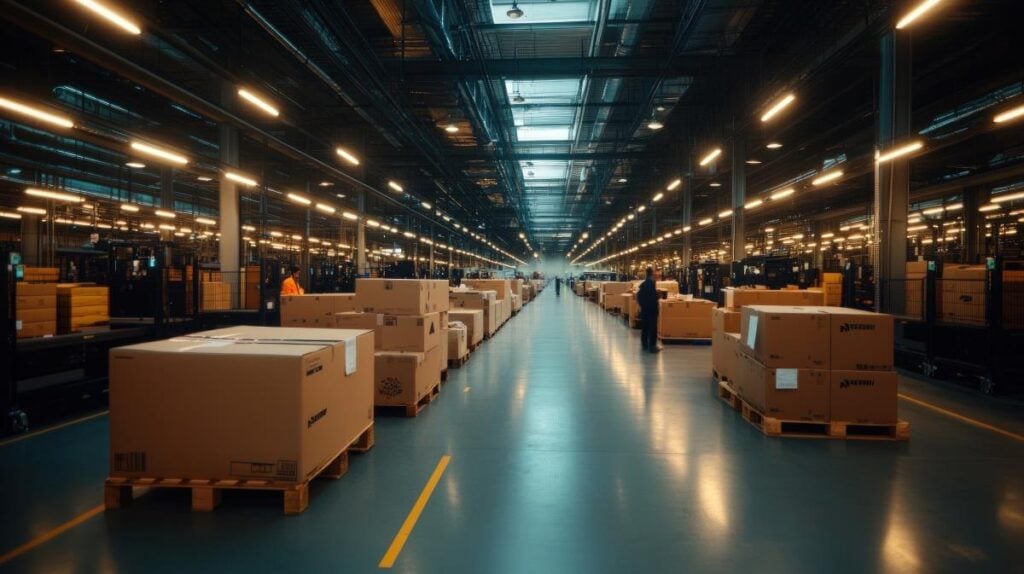
A warehouse move usually works better when broken into stages rather than treated as one large event.
Your timeline may include:
- Final stock count deadline
- Last inbound delivery to the old site
- Last outbound dispatch from the old site
- Packing start date
- Racking disassembly date
- Equipment move date
- IT cutover date
- First operational day at the new warehouse
Where possible, build in some contingency time. Warehouse moves often take longer than first expected, especially where racking, forklifts, or specialist equipment are involved.
Communicate with staff early
Staff should not find out key details too late.
Make sure employees know:
- The planned move date
- How the move will affect their work
- Whether shift patterns will change
- What support or training they will need
- Where they fit into the moving plan
Regular updates help reduce confusion and keep the move organised.
Notify suppliers, carriers, and customers
A warehouse relocation affects more than your internal team.
You should update:
- Suppliers
n- Freight and courier partners - Key customers
- Utility providers
- IT and telecom providers
- Business directories and online listings
It also helps to confirm when deliveries should stop going to the old site and when the new site should begin receiving stock.
Review stock before the move
A move is a good time to improve stock control.
Before relocation, review:
- Dead stock
- Damaged stock
- Obsolete lines
- Incorrect labels
- Missing records
It is usually better to deal with unnecessary items before the move instead of paying to move problems from one site to another.
You should also make sure the inventory list is updated and reliable before goods leave the old warehouse.
Label everything clearly
Clear labelling saves time on moving day and helps the new site get running faster.
Use labels for:
- Pallet locations
- Stock categories
- Racking sections
- Office equipment
- IT equipment
- Workstations
- Priority items needed first at the new site
A simple labelling system makes unloading and placement much easier.
Plan racking and equipment moves properly
Racking, forklifts, pallet trucks, and other warehouse assets need special planning.
Key questions include:
- What needs disassembly first?
- What can be moved fully assembled?
- What requires specialist transport?
- What needs testing before reuse?
- What should be replaced rather than moved?
If your operation relies on short-term extra equipment during the transition, Acclaim’s flexible forklift hire for logistics companies can help keep stock moving while your permanent setup is being reinstalled.
Prepare for moving day
As the move gets closer, assign clear responsibilities.
You should know:
- Who is supervising loading
- Who is checking stock counts
- Who is coordinating transport
- Who is handling site access at both buildings
- Who is responsible for IT and power setup
- Who signs off each stage of the move
The more clearly roles are assigned, the less confusion there will be on the day.
Do a final check at the old site
Before handing the old warehouse back, check that:
- No stock has been left behind
- No IT equipment is still connected
- Waste has been cleared
- Damage has been recorded if needed
- The building has been left in the agreed condition
A final walkthrough can prevent avoidable disputes and extra charges.
Test the new site before full go-live
Do not assume everything is ready just because stock has arrived.
Before full operations restart, check:
- Equipment is working properly
- Forklifts can move safely through aisles
- Stock is in the correct locations
- Internet and systems are live
- Staff know the new routes and zones
- Loading and unloading can happen without delays
A short soft-opening period can help spot issues before the warehouse returns to full pace.
Train staff on the new setup
Even experienced warehouse teams need time to adjust to a new building.
Cover practical points such as:
- New picking routes
- New traffic flow rules
- New fire exits and emergency points
- New loading procedures
- New stock locations
This helps reduce mistakes and improves safety in the first days after the move.
Review the move afterwards
Once the new site is up and running, take time to review what worked and what did not.
Look at:
- Delays
- Unexpected costs
- Layout problems
- Equipment issues
- Stock control problems
- Staff feedback
This review is useful not only for future moves, but also for fixing problems in the new warehouse while they are still easy to improve.
Final thoughts
A warehouse relocation is a major operational change, but it becomes much easier to manage when it is broken into clear stages.
Early planning, site checks, layout design, stock control, safety review, and strong communication all play a part. The move itself matters, but so does how quickly and safely the new warehouse can start working properly.
A good warehouse relocation checklist does not only help you move. It helps you protect service levels, reduce disruption, and set the new site up to perform better than the old one.