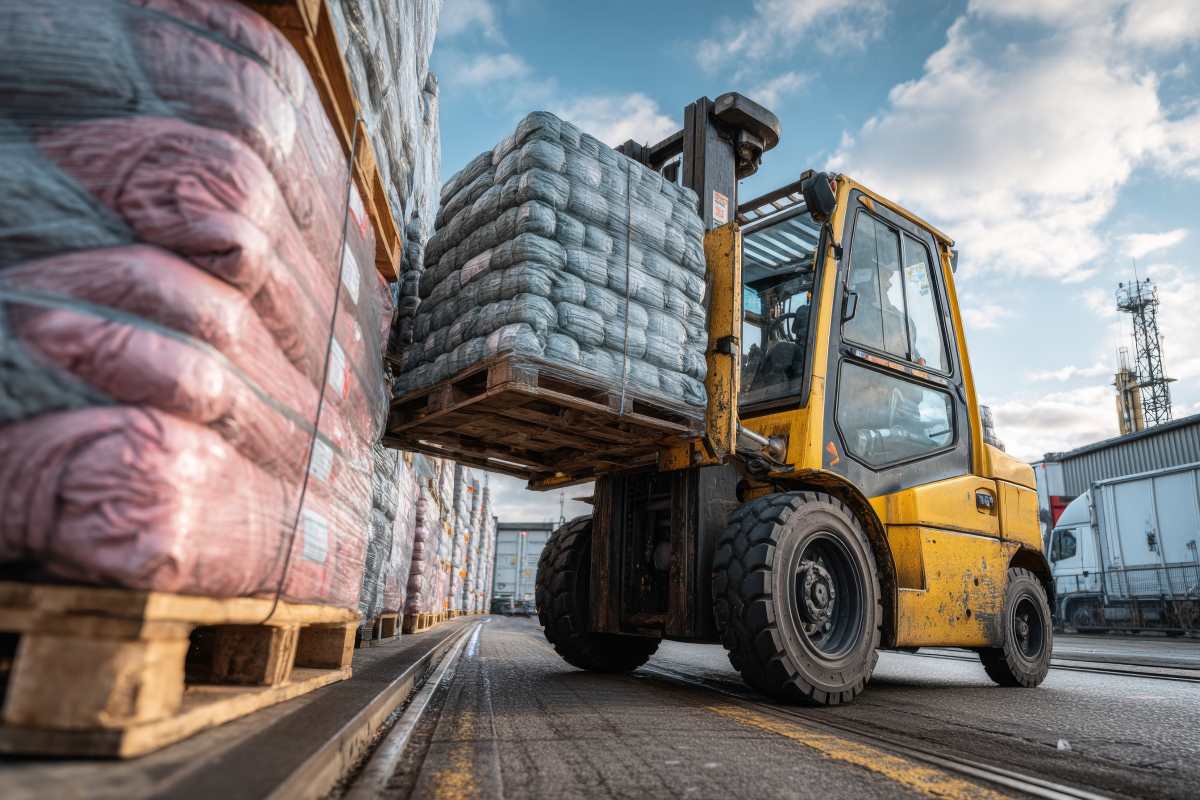
Warehouses are under more pressure than they were a few years ago. Goods need to move faster, stock levels are often higher, and businesses are expected to do more with the space they already have.
That change is having a direct effect on forklift requirements. The trucks that worked well in the past may no longer be the best fit for tighter aisles, higher racking, longer shifts, and rising expectations around safety and efficiency.
This is why many businesses are now reviewing their fleets more carefully. Forklift choice is no longer only about lift capacity. It is also about how well the truck fits the way modern warehouses actually work.
Warehouses are moving more goods, more often
In many sectors, order volumes have increased and delivery expectations have tightened. Same-day and next-day fulfilment leave less room for delay once work starts.
That means forklifts are often expected to stay in use for longer parts of the day. Trucks that once handled a lighter workload may now be moving pallets constantly across full shifts.
This puts more focus on reliability. A forklift that breaks down regularly, charges too slowly, or struggles to keep up can create bigger operational problems than it once did.
Storage space is being used more intensively
Warehouse space is expensive, so many businesses are trying to get more out of their existing footprint.
That usually means:
- Higher racking
- Narrower aisles
- Denser storage layouts
- More stock held in the same building
These changes affect forklift requirements straight away. A general-purpose truck may not be the best option if the warehouse now needs tighter turning, more precise lifting, and better visibility at height.
This is one reason specialist equipment is becoming more important in warehousing. A truck that was good enough for a simpler layout may no longer suit the way the building is being used now.
Narrow aisles need better manoeuvrability
As aisles become tighter, forklift control matters more.
Operators need trucks that can move safely in confined spaces without wasting time on repeated repositioning. If a forklift struggles to turn cleanly or needs too much room to line up a pallet, it slows the whole workflow.
This is where compact electric counterbalance trucks, reach trucks, and other warehouse-focused machines often become more attractive.
The key point is simple: tighter warehouse layouts need forklifts built for tighter warehouse layouts.
Higher racking changes lifting demands
Modern warehouses often rely more heavily on vertical storage. That means forklifts are expected to lift safely to greater heights while staying stable and easy to control.
Higher lifts create new priorities such as:
- Better mast stability
- Stronger operator visibility
- More accurate load placement
- Smoother control at height
A truck that performs well at ground level may not be the right truck once stock starts moving several metres into the air. This is why businesses often review lift height needs more carefully when warehouse layouts change.
Indoor environments are pushing more businesses towards electric trucks
A major change in warehousing is the growing move towards electric forklifts.
For indoor use, electric trucks often make sense because they offer:
- No exhaust emissions during use
- Lower noise
- Smoother handling
- Lower day-to-day maintenance than many internal combustion alternatives
This matters in enclosed warehouse spaces where air quality, operator comfort, and noise control are all more important than they would be in an outdoor yard.
As more operations modernise their fleet, electric trucks are becoming less of a specialist option and more of a standard expectation.
Longer operating hours are changing battery expectations
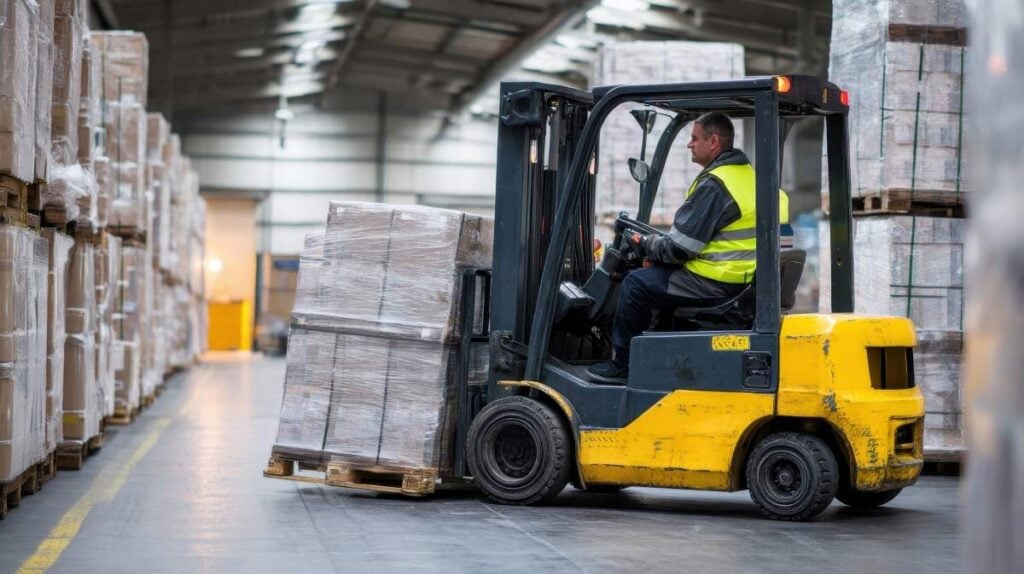
Warehouses are not only busier. Many are also operating for longer hours.
That changes what businesses need from electric forklifts. Battery performance, charging speed, and uptime become more important when trucks are in near-constant use.
For example, some operations now need forklifts that can:
- Charge during short breaks
- Support multi-shift use
- Reduce battery change downtime
- Keep working without long charging delays
This is one reason lithium-ion electric trucks are getting more attention. In busy warehouse environments, the ability to charge faster and reduce interruptions can make a real difference to output.
If you want to understand where the market is heading more broadly, it helps to look at the most in-demand forklifts now shaping warehouse and logistics decisions.
Safety expectations are rising too
As warehouses get busier and layouts get tighter, safety becomes even more important.
Forklifts are now expected not only to move loads efficiently, but to support safer operation in spaces shared with pedestrians, pickers, and other equipment.
That often means businesses are paying more attention to:
- Visibility from the operator seat
- Stable handling in narrow aisles
- Better control around racking and corners
- Telematics and monitoring systems
- Trucks that match the site rather than being over- or under-specified
A forklift that is too large, too awkward, or poorly suited to the warehouse can create avoidable safety pressure.
Warehouses are also planning more around data
Another shift is that forklifts are increasingly being seen as connected assets, not just lifting machines.
Many businesses now want better visibility over:
- Truck utilisation
- Downtime
- Maintenance needs
- Operator use
- Fleet planning
This is one reason telematics and smarter fleet management are becoming more relevant. Warehouses want equipment that not only works well, but also fits into a more data-led way of running the site.
One forklift rarely suits every warehouse
These changes point to one important truth: there is no single best forklift for every warehouse.
The right choice depends on things like:
- Aisle width
- Lift height
- Shift pattern
- Indoor or outdoor use
- Load type and weight
- Charging access
- How fast stock needs to move
A warehouse with tight racking and indoor-only use may benefit most from electric reach trucks or compact counterbalance trucks. A mixed site with internal and external handling may need a different balance.
That is why changing warehousing demands should lead to a fleet review, not just a like-for-like replacement.
Why now is a good time to review fleet suitability
Many warehouses are still working with setups that made sense years ago but no longer fit current demand.
If you are seeing signs such as:
- Congestion in aisles
- Slower pallet movement
- Trucks struggling with lift height
- More downtime during longer shifts
- Pressure on operators in tighter spaces
then the current fleet may no longer match the way the warehouse operates.
Reviewing your fleet now can help prevent bigger problems later. It can also improve efficiency without needing a full site redesign.
Matching the truck to the modern warehouse
The best forklift for a modern warehouse is the one that fits the real task, not just the old job description.
For many businesses, that means choosing equipment that is:
- More compact
- More energy efficient
- Better at height
- Easier to use in narrow aisles
- More reliable across longer shifts
Warehousing demands have changed, and forklift requirements are changing with them.
Businesses looking at new and used forklift solutions should now think beyond simple lift capacity and look more closely at layout, uptime, energy use, and long-term fit.
Final thoughts
Warehouses are moving more goods, using space more tightly, and expecting equipment to support longer, faster, more controlled operations.
That is why forklift requirements are changing. The trucks that suit today’s warehouses need to offer better manoeuvrability, stronger indoor performance, improved lift control, and more reliable uptime than ever before.
For any business reviewing its fleet, the main lesson is clear: warehouse demands are not standing still, so forklift choice should not stand still either.

Related Posts
Predictive vs Preventive Maintenance: What’s the Difference?
The True Cost of Delaying a Forklift Repair
How Forklift Rentals Help Warehouses Stay Flexible
Top Industries that Benefit from Forklift Hire
How to Determine If You Need an Extra Forklift