On this page
- What Is Forklift Telematics?
- Improving Fleet Visibility
- Enhancing Workplace Safety
- Supporting Preventative Maintenance
- Improving Operator Accountability
- Reducing Operating Costs
- Supporting Better Decision-Making
- Helping Manage Mixed Fleets
- Supporting Digital Transformation
- Telematics and Equipment Hire
- The Future of Forklift Fleet Management
- Conclusion
Warehouse operations have become increasingly data-driven. Businesses now monitor everything from inventory movement and order fulfilment rates to vehicle utilisation and workforce productivity. Yet until relatively recently, forklift fleets often remained a blind spot when it came to operational data.
That is changing rapidly through the adoption of forklift telematics.
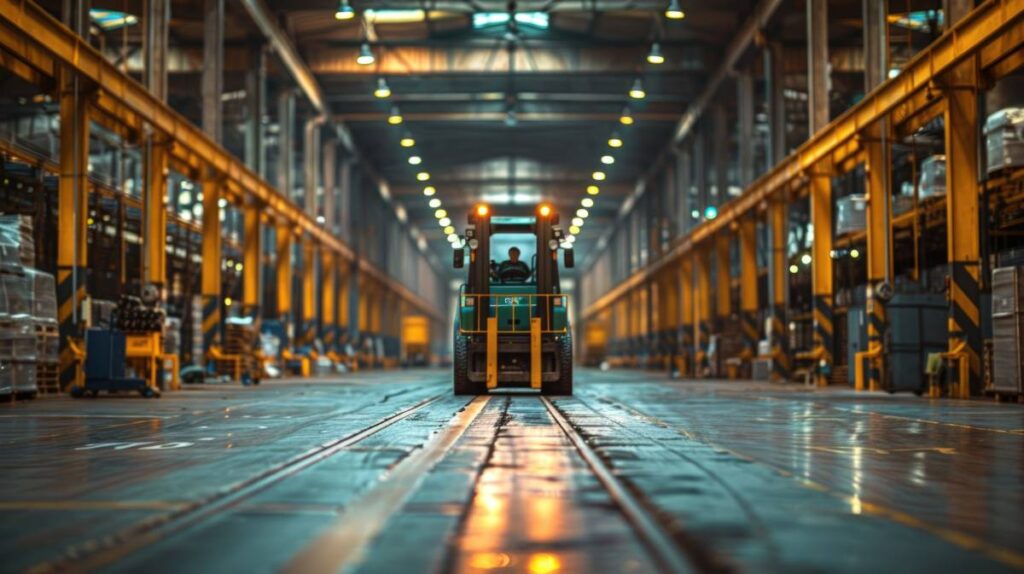
Telematics systems provide real-time information about how forklifts are being used, who is operating them, when maintenance is required, and how efficiently equipment is performing. What was once limited to large enterprise operations is now becoming accessible to businesses of all sizes.
As warehouses face growing pressure to improve productivity, reduce costs, and strengthen safety performance, telematics is becoming an increasingly important tool for managing material handling fleets.
What Is Forklift Telematics?
Forklift telematics combines onboard sensors, software, and wireless communication technology to collect and transmit operational data from forklifts.
The system continuously records information relating to:
- Vehicle usage
- Operating hours
- Impact events
- Battery performance
- Maintenance schedules
- Operator activity
- Fleet utilisation
- Location tracking
This data is then made available through a central management platform, allowing supervisors and fleet managers to monitor equipment performance and make more informed decisions.
Rather than relying on manual inspections and paper records alone, telematics provides a detailed picture of how forklifts are performing across an entire operation.
Improving Fleet Visibility
One of the biggest advantages of telematics is visibility.
In many warehouses, managers know how many forklifts they own but have limited insight into how efficiently those assets are being used on a daily basis.
Telematics allows businesses to identify:
- Which trucks are heavily utilised
- Which vehicles spend significant time idle
- Peak usage periods
- Operational bottlenecks
- Areas of underutilisation
This information helps managers make better decisions about fleet size, equipment allocation, and future investment requirements.
In some cases, businesses discover they can improve productivity simply by redistributing existing equipment rather than purchasing additional trucks.
Enhancing Workplace Safety
Safety remains one of the most valuable applications of forklift telematics.
Many systems can record operational behaviours such as:
- Excessive speed
- Harsh braking
- Sharp cornering
- Impact incidents
- Unsafe operating patterns
Managers can use this information to identify potential risks before accidents occur.
Some telematics platforms also require operators to complete pre-shift safety inspections electronically before the forklift can be used. This helps ensure equipment checks are completed consistently and creates a digital record of compliance.
By improving visibility into operator behaviour and vehicle condition, telematics supports a more proactive approach to workplace safety.
Supporting Preventative Maintenance
Unexpected breakdowns are expensive.
A forklift that is unavailable due to mechanical failure can disrupt workflows, delay operations, and increase costs across the warehouse.
Telematics helps reduce this risk by monitoring usage and maintenance intervals automatically.
Instead of relying solely on calendar-based servicing schedules, managers can use real operating data to determine when maintenance is actually required.
This allows maintenance teams to:
- Schedule servicing proactively
- Address minor issues before they escalate
- Reduce unplanned downtime
- Extend equipment lifespan
- Improve reliability
For businesses operating multiple forklifts, the ability to track maintenance requirements centrally can significantly improve fleet management efficiency.
Improving Operator Accountability
In many warehouse environments, multiple operators use the same equipment throughout the day.
Without telematics, identifying responsibility for damage or unsafe operation can be difficult.
Operator access systems linked to telematics platforms allow businesses to track:
- Who used a forklift
- When it was operated
- Duration of use
- Impact events
- Safety check completion
This creates greater accountability while also helping managers identify opportunities for additional training and support.
Importantly, the objective is not simply monitoring employees but creating safer and more efficient working practices across the operation.
Reducing Operating Costs
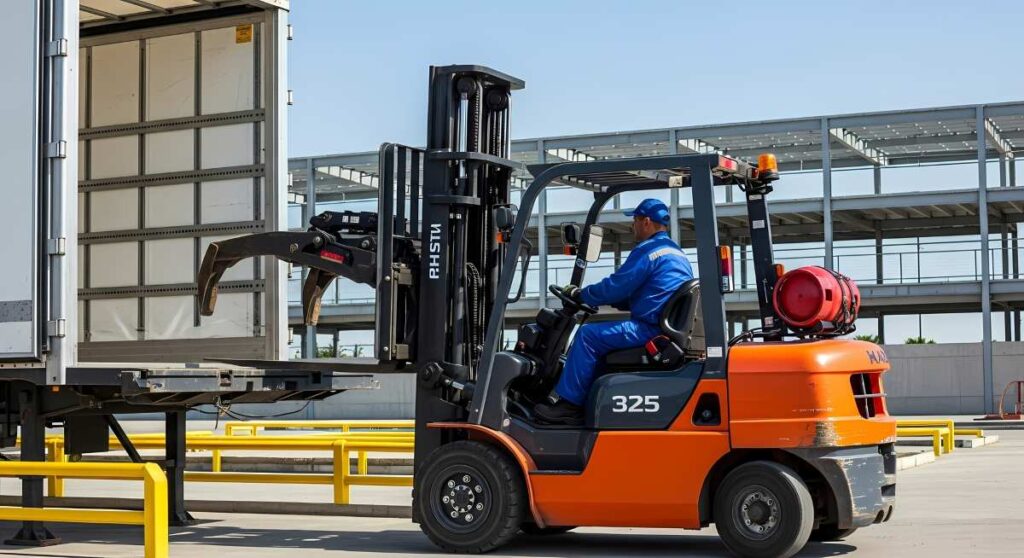
Forklift fleets represent a significant operational expense.
Costs may include:
- Equipment purchase or hire
- Maintenance
- Repairs
- Fuel or electricity
- Downtime
- Labour
Telematics helps reduce these costs by providing better information about how assets are being used.
For example, identifying excessive idling can reduce fuel consumption, while monitoring battery performance can improve charging practices and extend battery life.
Over time, small efficiency gains across multiple vehicles can result in substantial cost savings.
Supporting Better Decision-Making
One of the greatest strengths of telematics is its ability to replace assumptions with data.
Without accurate information, decisions regarding fleet management are often based on estimates or anecdotal evidence.
Telematics provides objective insights into:
- Equipment utilisation
- Productivity levels
- Maintenance requirements
- Replacement planning
- Fleet expansion needs
This enables businesses to make more informed investment decisions and allocate resources more effectively.
When evaluating fleet performance, accurate operational data is often more valuable than intuition alone.
Helping Manage Mixed Fleets
Many warehouses operate a mixture of equipment types, including:
- Counterbalance forklifts
- Reach trucks
- Pallet stackers
- Powered pallet trucks
- Order pickers
Telematics platforms allow managers to monitor multiple vehicle types from a single system.
This creates a more comprehensive view of overall fleet performance and helps identify opportunities to optimise equipment deployment across different operational areas.
As warehouse operations become increasingly complex, centralised fleet visibility becomes more important.
Supporting Digital Transformation
The growth of telematics reflects a wider trend within logistics and warehousing.
Businesses are increasingly adopting digital technologies to improve efficiency, reduce costs, and enhance operational control.
Alongside automation, warehouse management systems, and advanced battery technologies, telematics represents one of the latest innovations in materials handling technology helping organisations modernise their operations.
The ability to collect, analyse, and act upon operational data is becoming a significant competitive advantage in the material handling sector.
Telematics and Equipment Hire
Telematics is not only beneficial for businesses that own their forklifts.
Many rental fleets now incorporate telematics systems, providing valuable insights during temporary projects, seasonal demand increases, or short-term operational requirements.
For businesses looking to hire industrial forklifts for short-term projects, telematics can provide useful information about equipment utilisation and help ensure hired assets are being used as efficiently as possible.
This visibility can improve cost control and support more effective project planning.
The Future of Forklift Fleet Management
As technology continues to evolve, telematics capabilities are likely to expand further.
Future developments may include:
- Enhanced predictive maintenance
- Advanced collision avoidance integration
- AI-driven utilisation analysis
- Greater warehouse management system connectivity
- Improved energy consumption monitoring
These developments will continue to strengthen the role of telematics as a core component of modern warehouse management.
Conclusion
Forklift telematics is transforming the way businesses manage material handling equipment. By providing real-time visibility into fleet performance, operator behaviour, maintenance requirements, and asset utilisation, telematics helps organisations improve safety, increase efficiency, and reduce operating costs.
For modern warehouses seeking greater control over their operations, telematics is no longer simply a useful feature. It is increasingly becoming an essential tool for making informed decisions and maximising the value of forklift fleet investments.